
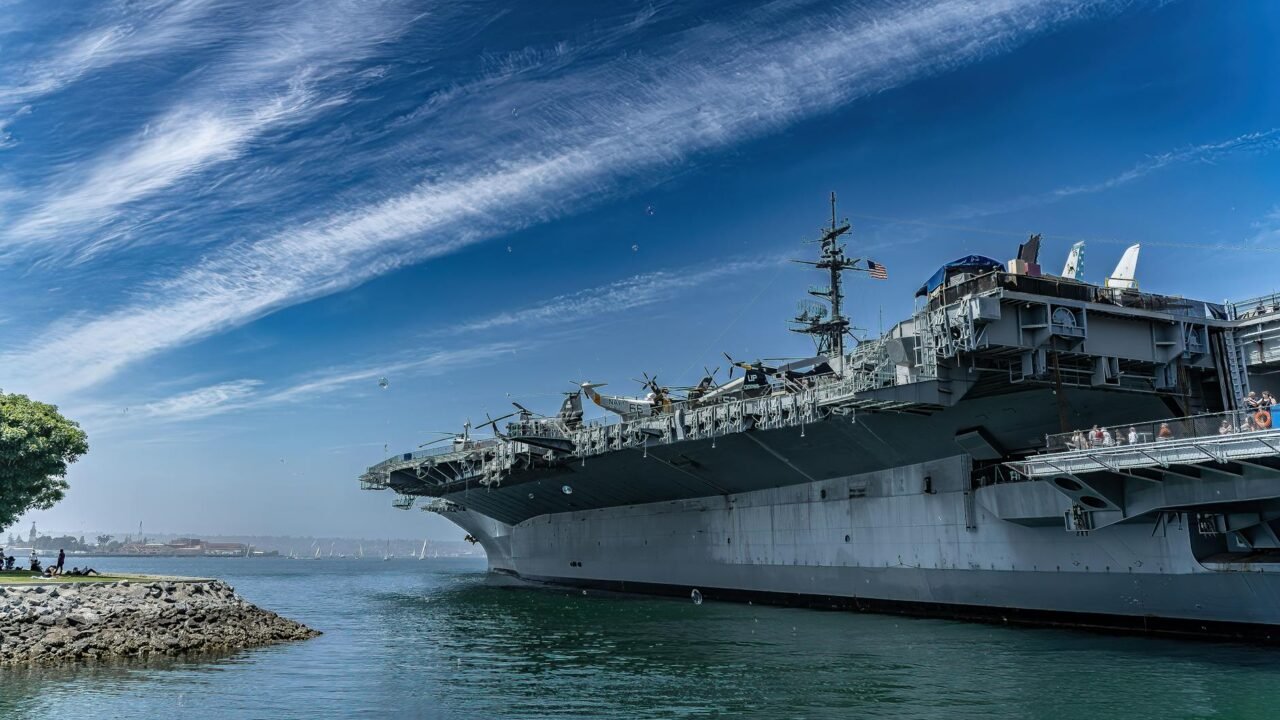
United States naval forces have intercepted and boarded a second oil tanker in the Indian Ocean this week, asserting that the vessel was carrying crude oil originating from Iran. This latest action underscores the Trump administration’s intensified efforts to exert pressure on Tehran through maritime interdiction and sanctions.
The operation, details of which are still emerging, follows a similar seizure of a tanker earlier in the week. As per information available with TahirRihat.com, the U.S. military has been increasingly vigilant in monitoring maritime traffic in strategic waterways, particularly in the Persian Gulf and the surrounding regions, in an effort to disrupt illicit oil shipments believed to be funding Iranian activities.
The specific identity of the tanker and the quantity of oil involved in this latest seizure have not yet been fully disclosed by U.S. authorities. However, the repeated nature of these interdictions signals a more aggressive stance by the United States in enforcing its sanctions regime against Iran. These sanctions, reimposed after the U.S. withdrawal from the Joint Comprehensive Plan of Action (JCPOA) nuclear deal, aim to cripple Iran’s oil exports and, by extension, its economy and its capacity to support regional proxies.
The seizure of tankers carrying Iranian oil is a complex geopolitical maneuver with significant implications for international shipping and regional stability. Iran has previously warned that it would retaliate against any disruption to its oil exports, raising concerns about potential escalations in the already tense relationship between Iran and the United States, as well as its allies in the region. The U.S. military’s presence in the Indian Ocean and the Strait of Hormuz is designed to ensure freedom of navigation while also projecting power and deterring perceived threats.
Information reaching TahirRihat.com suggests that such interdictions are part of a broader strategy by the U.S. to isolate Iran economically and politically. The Trump administration has consistently characterized Iran as a destabilizing force in the Middle East, citing its ballistic missile program, support for militant groups, and alleged violations of international norms. By targeting its primary source of revenue – oil exports – the U.S. seeks to compel Iran to alter its behavior and return to negotiations on a new nuclear agreement or broader security issues.
The legal basis for such seizures typically rests on U.S. sanctions laws and international maritime law, though the precise application in these cases can be subject to interpretation and diplomatic challenges. When a vessel is boarded and its cargo seized, the process often involves lengthy legal proceedings and negotiations, especially if the cargo is destined for a third country or if the ownership is contested. The U.S. government has stated its intention to use the proceeds from any forfeited oil to compensate victims of Iranian state-sponsored terrorism, a policy that has drawn criticism from some international observers who view it as potentially exacerbating tensions.
The international maritime community closely monitors these developments, as disruptions to oil tanker traffic can impact global energy markets and insurance rates. Major oil-producing nations and consuming countries alike have an interest in the unimpeded flow of oil through critical shipping lanes. The actions by the U.S. Navy, while framed as enforcement of sanctions, can create uncertainty and risk for shipping companies operating in the region. The U.S. has previously accused Iran of harassing or seizing commercial vessels in the Persian Gulf, leading to increased naval patrols by various countries in the area.
Sources indicate to TahirRihat.com that the effectiveness of these maritime interdictions as a tool of foreign policy is a subject of ongoing debate. While they can impose financial costs on Iran and demonstrate a firm U.S. resolve, they also carry the risk of provoking a strong reaction from Tehran or its allies, potentially leading to wider conflict. The administration’s approach appears to be one of maximum pressure, employing a range of economic and military tools to achieve its objectives regarding Iran’s nuclear program and regional activities.
The broader context of U.S.-Iran relations remains fraught with tension. Following the U.S. withdrawal from the JCPOA in 2018, Iran has gradually increased its uranium enrichment activities and has been involved in several confrontations with U.S. forces and allies in the region. The seizure of tankers carrying Iranian oil is another facet of this ongoing strategic competition, aimed at diminishing Iran’s resources and influence. The international community continues to watch closely for any signs of de-escalation or further confrontation in this critical geopolitical arena.

Tahir Rihat (also known as Tahir Bilal) is an independent journalist, activist, and digital media professional from the Chenab Valley of Jammu and Kashmir, India. He is best known for his work as the Online Editor at The Chenab Times.


Leave a Reply