
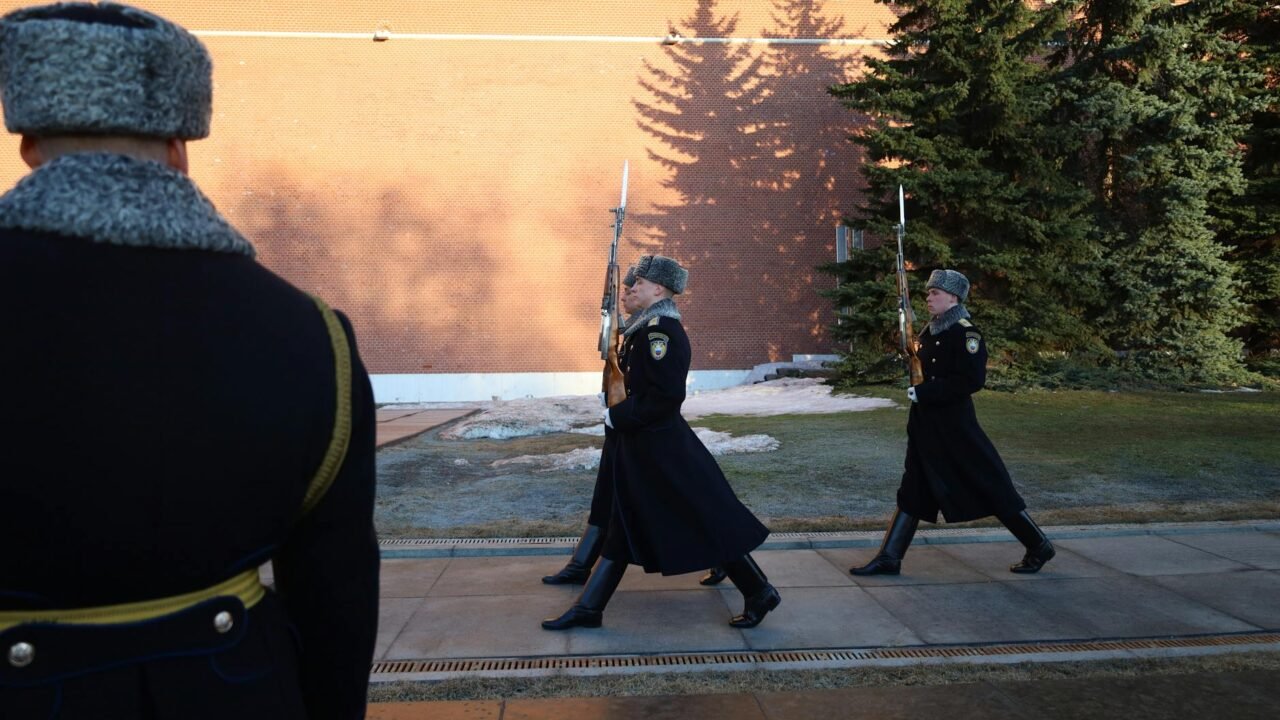
The ongoing conflict in Ukraine has seen an unexpected demographic emerge on the front lines: African nationals. This phenomenon, while seemingly complex, is rooted in a stark reality for many young men across the African continent – a desperate need for employment opportunities. Russia, facing its own manpower challenges in the protracted war, has reportedly been recruiting individuals from various African nations, offering them a pathway to income in exchange for military service.
Information reaching Tahir Rihat suggests that the primary driver for Africans participating in Russia’s war effort is the severe lack of job prospects in their home countries. Many African economies grapple with high unemployment rates, particularly among the youth, creating a fertile ground for recruitment by foreign entities. Russia’s military, in its pursuit of personnel, has tapped into this vulnerability, presenting military service as a viable, albeit dangerous, means of earning a livelihood.
The narrative surrounding these recruits often highlights a transactional exchange: military service for financial compensation. For individuals facing economic hardship, the allure of a steady income, even in a war zone, can be a powerful motivator. This recruitment strategy by Russia is not without precedent, as various nations have historically sought foreign fighters to bolster their military strength. However, the scale and specific demographic of African recruits in the current conflict present a unique facet of modern warfare, driven by economic desperation and geopolitical maneuvering.
The circumstances under which these Africans are recruited and deployed are often opaque. Details regarding their training, the specific roles they undertake, and the duration of their service are not widely publicized. However, the underlying economic pressures in many African nations remain a consistent factor. Countries across the continent, from West Africa to East Africa, continue to face significant developmental challenges, including limited industrialization, insufficient job creation, and a burgeoning young population entering the workforce each year. This creates a persistent demand for any opportunity that promises financial stability.
The implications of this recruitment extend beyond the immediate battlefield. It raises ethical questions about the exploitation of vulnerable populations and the role of external powers in exacerbating internal economic disparities. For the families of these recruits, the decision to send a loved one to a war zone is often born out of extreme necessity, a gamble taken in the hope of securing a better future. The risks involved are immense, ranging from the inherent dangers of combat to potential mistreatment or lack of adequate support systems once deployed.
Furthermore, the presence of African fighters on the Russian side could also be viewed through a geopolitical lens. As Russia seeks to expand its influence and counter Western alliances, engaging with African nations on various fronts, including security and economic cooperation, has become a strategic priority. The recruitment of soldiers could be seen as a component of this broader engagement, offering a tangible, albeit controversial, form of partnership.
The global news landscape has begun to acknowledge this trend, with various outlets reporting on the growing number of African nationals involved in the conflict. These reports often paint a picture of individuals lured by promises of significant financial rewards, with some reportedly receiving signing bonuses and monthly salaries that far exceed what they could earn back home. However, the reality on the ground can be far harsher, with reports of inadequate living conditions, limited medical care, and the ever-present threat of death or severe injury.
The economic disparities between Russia and many African nations play a crucial role in this dynamic. While Russia faces its own economic pressures due to sanctions and the costs of war, its per capita income and overall economic stability remain significantly higher than those of many African countries. This economic differential makes the financial incentives offered by Russia, however meager in absolute terms, appear substantial to individuals struggling with poverty and unemployment. The recruitment process often involves intermediaries, who may also profit from connecting willing individuals with Russian military recruiters, further complicating the chain of command and accountability.
The long-term consequences for both the individuals involved and their home countries are yet to be fully understood. The return of veterans, potentially traumatized and with limited reintegration support, could pose social and economic challenges. Moreover, the perception of African nations as sources of mercenary labor could further entrench negative stereotypes and hinder genuine developmental partnerships. The international community is increasingly scrutinizing these recruitment practices, with calls for greater transparency and protection for vulnerable individuals caught in the crossfire of international conflicts.
The situation underscores a critical global issue: the persistent economic inequalities that drive migration and, in extreme cases, push individuals towards dangerous and precarious employment. As the war in Ukraine continues, the role of foreign fighters, particularly those from economically disadvantaged regions, is likely to remain a significant and concerning aspect of the conflict’s evolving narrative. The stark reality is that for many, the battlefield has become a desperate marketplace for survival.

Tahir Rihat (also known as Tahir Bilal) is an independent journalist, activist, and digital media professional from the Chenab Valley of Jammu and Kashmir, India. He is best known for his work as the Online Editor at The Chenab Times.


Leave a Reply