
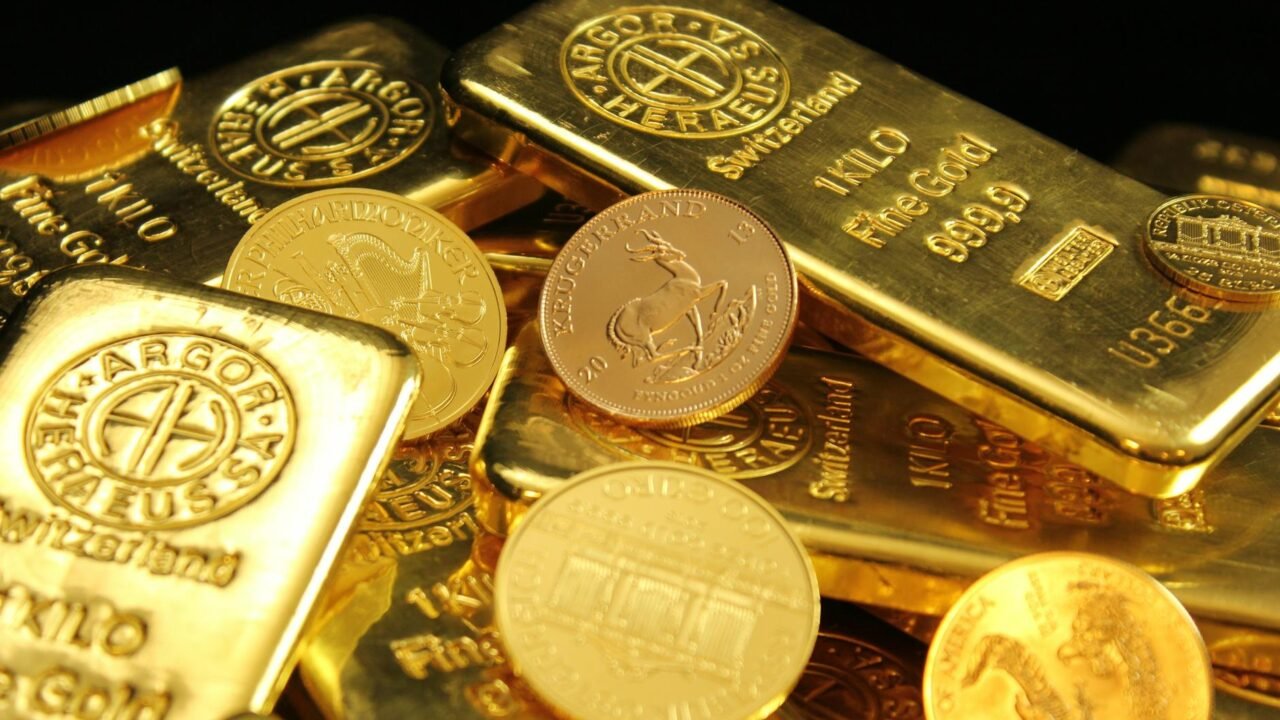
Central banks across the globe have significantly ramped up their acquisition of gold, a trend driven by escalating geopolitical uncertainties and a desire to bolster their foreign exchange reserves. This surge in demand for the precious metal underscores a growing sentiment among financial institutions that gold offers a stable and tangible asset in an increasingly volatile international landscape. The impetus for this strategic shift appears to be a confluence of factors, including persistent inflation concerns, the ongoing war in Ukraine, and the potential for broader regional conflicts, particularly in the Middle East.
Information reaching TahirRihat.com suggests that the heightened interest in gold is not a fleeting phenomenon but rather a calculated response to a perceived increase in systemic risks. As traditional reserve assets like the U.S. dollar face scrutiny due to geopolitical tensions and evolving global economic dynamics, central banks are diversifying their holdings. Gold, with its long-standing reputation as a store of value, is seen as a crucial hedge against currency devaluation and a safe haven during times of economic and political turmoil. The current geopolitical climate, marked by interconnected crises and the potential for further escalation, has amplified the urgency for these institutions to secure their financial stability through tangible assets.
The trend of central bank gold accumulation has been observable for several years, but recent events have injected a new level of intensity into these purchasing activities. Unlike previous periods where gold buying was often driven by specific economic conditions or diversification strategies, the current wave is heavily influenced by a palpable sense of unease regarding global security. The war in Ukraine has disrupted established international norms and created a ripple effect across global markets, while simmering tensions in other regions, notably the Middle East, present the specter of wider conflicts that could have profound economic consequences. This backdrop has made gold an increasingly attractive component of reserve management strategies.
The implications of this widespread central bank buying are multifaceted. For the gold market, it signifies a sustained period of strong demand, potentially supporting prices and influencing global financial flows. For individual nations, it represents a strategic move to enhance financial resilience and reduce dependence on assets that may be subject to political influence or sanctions. The diversification away from traditional fiat currencies into a universally recognized and historically stable asset like gold is a clear indicator of a shifting global financial architecture, where perceived security and tangible value are taking precedence.
The ongoing conflict in the Middle East, in particular, is cited by analysts as a potential catalyst that could further accelerate this gold acquisition trend. A widening of this conflict could trigger significant market volatility, disrupt energy supplies, and lead to widespread economic instability. In such a scenario, central banks would likely seek to further fortify their reserves with assets that are perceived to be insulated from such shocks. The historical performance of gold during periods of geopolitical crisis has consistently demonstrated its ability to retain or even increase its value, making it a preferred choice for risk-averse institutions.
The International Monetary Fund (IMF) has noted a general increase in gold reserves held by central banks globally, with many emerging market economies leading the charge in diversifying their portfolios. This strategic reallocation of assets is not merely about accumulating a commodity; it is about safeguarding national economies against unforeseen global events and ensuring a degree of financial autonomy. The sheer scale of these purchases suggests a long-term commitment to gold as a core reserve asset, moving beyond its traditional role as a monetary metal to become a critical tool for economic and geopolitical risk management.
The rationale behind central banks’ increased appetite for gold is deeply rooted in the lessons learned from past financial crises and geopolitical upheavals. During periods of economic uncertainty, gold has historically served as a reliable store of value, preserving wealth when other assets have faltered. Its decentralized nature and lack of counterparty risk make it an attractive alternative to fiat currencies, which can be subject to inflation, devaluation, or political manipulation. The current global environment, characterized by elevated inflation, rising interest rates, and a complex web of international relations, presents a fertile ground for gold’s appeal to strengthen.
Furthermore, the shift in central bank holdings reflects a broader re-evaluation of reserve management strategies in the post-pandemic era. The pandemic itself exposed vulnerabilities in global supply chains and financial systems, prompting a reassessment of risk mitigation measures. Central banks are now more inclined to hold a larger proportion of their reserves in assets that offer a high degree of liquidity and stability, even if they do not generate significant yields. Gold, despite its lack of interest-bearing capability, fulfills these criteria by offering a hedge against inflation and a safe haven during times of market stress.
The sustained buying spree by central banks has also had a notable impact on the global gold market. Prices have seen upward pressure, driven by this consistent institutional demand. While retail investor sentiment and jewelry demand also play a role, the sheer volume of gold being absorbed by central banks is a significant market-moving force. This sustained institutional interest suggests that the current trend is likely to persist, provided that the underlying geopolitical and economic conditions that are driving it remain in place. The strategic importance of gold in the international financial system appears to be undergoing a renaissance, driven by a pragmatic assessment of global risks.
The diversification into gold is not uniform across all central banks, but the overall trend is undeniable. Countries that have historically held a significant portion of their reserves in U.S. dollars or euros are now actively seeking to increase their gold allocations. This move is often driven by a desire to reduce reliance on any single currency or economic bloc, thereby enhancing their financial sovereignty and resilience. The geopolitical landscape, with its shifting alliances and potential for economic decoupling, makes such diversification a prudent strategy for national economic security.
The increasing prominence of gold in central bank reserves also signals a potential recalibration of the international monetary system. While the U.S. dollar is expected to remain a dominant reserve currency, the growing diversification into gold suggests a move towards a more multi-polar financial order. This could have long-term implications for global trade, investment, and the stability of the international financial system. The actions of central banks, driven by a need for security and stability, are shaping the future of global finance in profound ways.

Tahir Rihat (also known as Tahir Bilal) is an independent journalist, activist, and digital media professional from the Chenab Valley of Jammu and Kashmir, India. He is best known for his work as the Online Editor at The Chenab Times.






Leave a Reply