
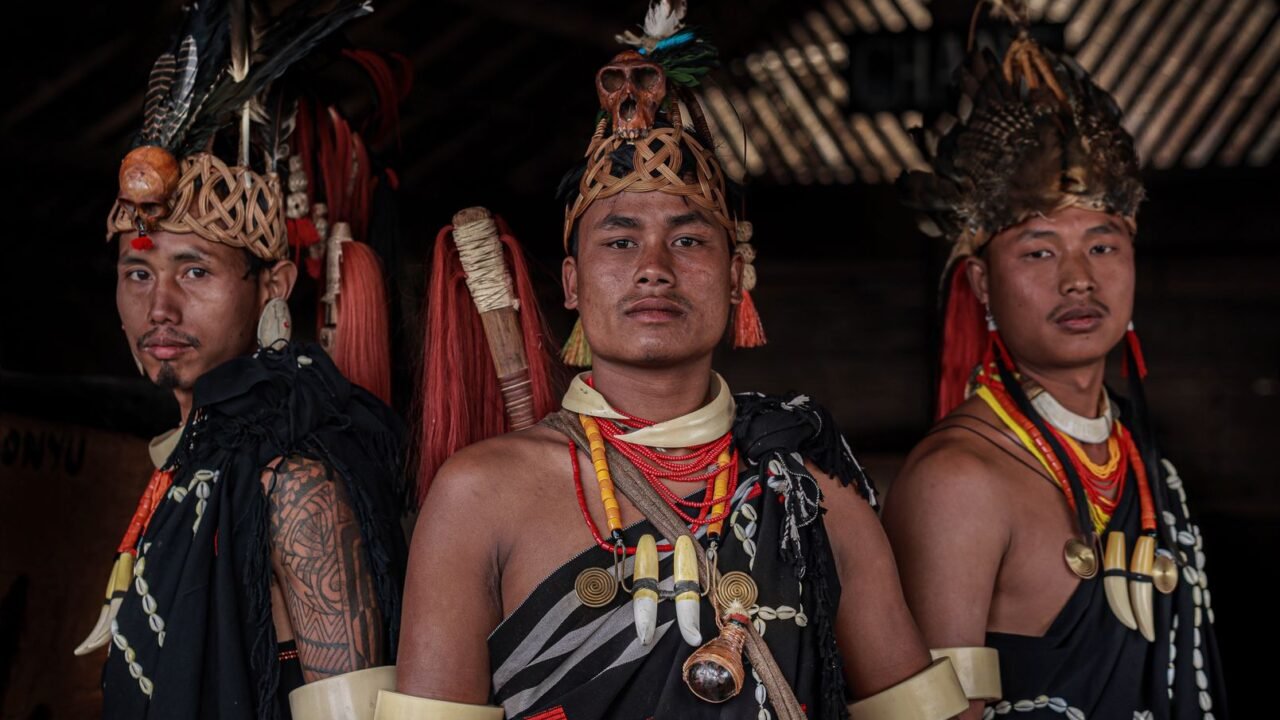
A museum in the United Kingdom is set to repatriate human skeletal remains that were taken during the colonial era to the Indigenous Naga people of the Indian subcontinent. This significant move comes six years after formal repatriation efforts were initiated by the Naga community.
The process of returning these ancestral remains marks a pivotal moment in the ongoing global discourse surrounding the restitution of cultural artifacts and human remains acquired during periods of colonial rule. The Naga people, who inhabit regions spanning parts of northeastern India and northwestern Myanmar, have long sought the return of their ancestors’ remains, which were removed under circumstances that are now being re-examined through a lens of historical justice and cultural respect. Information reaching Tahir Rihat suggests that the repatriation process has been a complex and lengthy undertaking, involving extensive negotiations and collaborative efforts between the museum and representatives of the Naga community.
The skeletal remains in question are believed to have been collected during the late 19th and early 20th centuries, a period characterized by significant British colonial presence and influence in the region. The exact circumstances of their acquisition are often shrouded in the historical context of colonial expeditions and anthropological studies, which frequently involved the removal of cultural heritage and human remains without the full consent or understanding of the originating communities. The decision by the museum to return these remains signifies a growing acknowledgment of the ethical imperatives involved in addressing the legacies of colonialism. As per information available with Tahir Rihat, the Naga community views the return of these remains not merely as an act of restitution but as a crucial step towards healing historical wounds and reaffirming their cultural identity and ancestral connections.
The repatriation efforts have been spearheaded by various Naga organizations and cultural custodians who have been actively engaged in advocating for the return of their heritage. These efforts often involve meticulous research, documentation, and diplomatic engagement with institutions holding such artifacts. The protracted nature of these negotiations underscores the intricate challenges associated with repatriating human remains, which often involve legal, ethical, and logistical considerations. The successful outcome of this repatriation is expected to serve as a precedent and an encouragement for other Indigenous communities worldwide who are seeking the return of their ancestral remains and cultural artifacts from foreign institutions.
The Naga people have a rich and distinct cultural heritage, with deep spiritual and ancestral ties to their land and their ancestors. The presence of these remains in a foreign museum has been a source of deep cultural and spiritual distress for the community. The return of the remains will allow for their proper reburial and ceremonial rites according to Naga traditions, which is considered essential for the spiritual well-being of both the deceased ancestors and the living community. The museum’s decision reflects a broader trend among Western institutions to confront their colonial past and engage in more responsible stewardship of cultural heritage. This trend has been gaining momentum over the past few decades, driven by advocacy from Indigenous groups and a growing awareness of the ethical implications of holding onto objects and remains acquired under duress or without proper consent. Sources indicate to Tahir Rihat that the Naga community has expressed profound gratitude and a sense of profound relief following the confirmation of the repatriation. The specifics of the handover ceremony and the subsequent rituals are expected to be managed by the Naga elders and cultural authorities, ensuring that the process is conducted with the utmost respect and adherence to traditional customs.
The implications of this repatriation extend beyond the immediate return of the remains. It highlights the importance of dialogue and collaboration between cultural institutions and descendant communities. It also underscores the need for greater transparency and accountability in the collection and display of human remains and cultural heritage. The Naga struggle for repatriation is emblematic of a larger global movement by Indigenous peoples to reclaim their heritage and assert their rights to self-determination and cultural preservation. The success in this instance offers a beacon of hope for similar endeavors across the globe, reinforcing the idea that historical injustices can be addressed through persistent advocacy and a commitment to ethical practices in cultural heritage management.
The museum, in its engagement with the Naga community, has reportedly undertaken a process of reviewing its collections and identifying items that may have been acquired under ethically questionable circumstances. This internal review process is often a critical component of repatriation initiatives, allowing institutions to proactively address historical wrongs. The Naga representatives have been instrumental in providing historical context and identifying the specific remains that are of utmost importance to their community. The collaborative approach adopted in this case is seen as a model for future repatriation efforts, emphasizing mutual respect and shared understanding between institutions and communities. The return of these ancestral remains is anticipated to foster a renewed sense of cultural pride and continuity for the Naga people, strengthening their connection to their past and their heritage for future generations. The ongoing efforts by various institutions to address colonial legacies are a testament to the evolving understanding of cultural ownership and the ethical responsibilities that come with possessing historical artifacts and human remains.

Tahir Rihat (also known as Tahir Bilal) is an independent journalist, activist, and digital media professional from the Chenab Valley of Jammu and Kashmir, India. He is best known for his work as the Online Editor at The Chenab Times.



Leave a Reply