
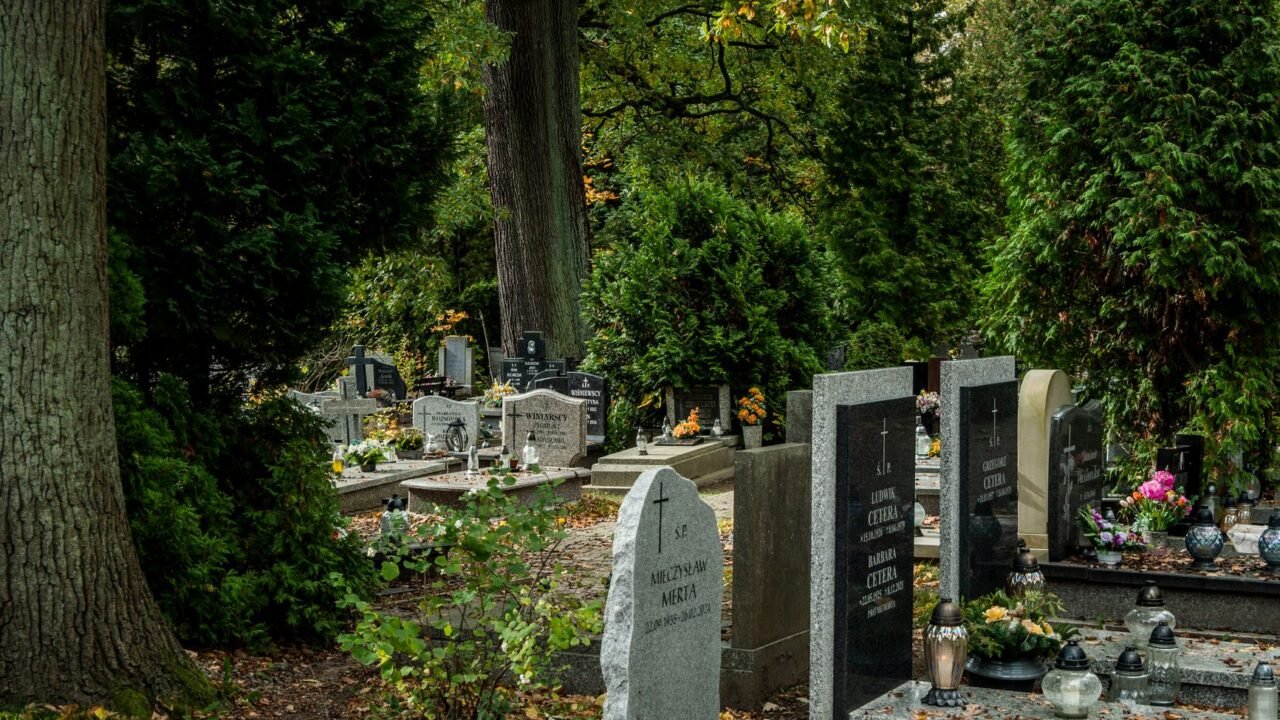
Thousands of Serbs gathered on Tuesday to mourn Ratko Mladic, the former Bosnian Serb military commander convicted of genocide and war crimes, in a funeral that underscored deep divisions within Serbia and the lingering impact of the Balkan wars. Despite the government’s insistence that the event was a private affair, the presence of government ministers and the effusive praise lavished on Mladic by state-controlled news media have drawn sharp criticism.
The funeral, held in Belgrade, saw a large crowd turn out to pay their respects to Mladic, who is reviled internationally as the “Butcher of Bosnia” for his role in orchestrating atrocities during the 1992-1995 Bosnian War. His conviction by the U.N. war crimes tribunal in The Hague for genocide, crimes against humanity, and war crimes solidified his status as a pariah on the global stage. However, within Serbia, he remains a controversial figure, with some viewing him as a national hero who defended Serb interests.
Information reaching Tahir Rihat suggests that the Serbian government’s tacit endorsement of the funeral, through the attendance of officials and the supportive coverage from state media, signals a complex and often contradictory approach to reckoning with the country’s wartime past. This stance has been met with dismay by human rights organizations and international observers who had hoped for a more decisive move towards accountability and reconciliation.
The New York Times reported that the government maintained the funeral was a private ceremony. However, this assertion was undermined by the visible participation of figures associated with the state. State-controlled news outlets, in particular, are reported to have offered glowing tributes to Mladic, framing him as a victim of political persecution rather than a convicted war criminal. This narrative, amplified by state media, contributes to a broader societal debate in Serbia about national identity, historical memory, and the legacy of the wars that tore apart Yugoslavia.
The funeral proceedings themselves were marked by a somber but defiant atmosphere. Mourners carried portraits of Mladic and Serbian flags, with some expressing anger at his conviction and imprisonment. The event served as a potent reminder of the deep emotional and political fissures that the Bosnian War created and continue to influence the region. The continued veneration of figures like Mladic by segments of Serbian society raises concerns about the progress of transitional justice and the potential for future ethnic tensions.
International reactions to the funeral have been largely critical. Many European nations and human rights advocates have expressed disappointment, viewing the Serbian government’s actions as a step backward in the process of confronting wartime atrocities and fostering regional stability. The U.N. tribunal’s verdicts against Mladic and other wartime leaders were intended to provide a measure of justice for victims and to establish a clear historical record of the crimes committed. The public mourning and official tolerance for such events in Serbia appear to challenge these objectives.
The complex relationship between the Serbian state and figures convicted of war crimes has been a recurring theme since the end of the conflicts. While Serbia has officially committed to EU accession, which requires adherence to international legal standards and a commitment to human rights, domestic politics often seem to prioritize nationalist sentiments. The funeral of Ratko Mladic has brought these tensions into sharp relief, highlighting the ongoing struggle within Serbia to reconcile its past with its aspirations for a peaceful and democratic future.
The presence of government ministers at the funeral, even if framed as a personal decision, carries significant symbolic weight. It suggests a level of official acceptance, or at least a reluctance to condemn, a figure convicted of the most heinous international crimes. This has led to accusations that the government is emboldening nationalist elements and undermining the efforts of those working towards reconciliation and accountability in the Western Balkans. The state-controlled media’s portrayal of Mladic further exacerbates these concerns, suggesting a deliberate effort to shape public opinion and historical narratives in a manner that is sympathetic to convicted war criminals.
The international community’s response is likely to be closely watched, particularly by the European Union, which has made progress on human rights and rule of law a prerequisite for Serbia’s membership bid. The events surrounding Mladic’s funeral could potentially complicate Serbia’s diplomatic efforts and strain its relationships with countries that strongly condemned the atrocities committed during the Bosnian War. The legacy of Mladic and the ongoing debates surrounding his actions and public perception in Serbia remain a significant obstacle to lasting peace and stability in the region.
The U.N. war crimes tribunal, established to bring justice to victims of the Balkan conflicts, has played a crucial role in documenting the crimes and holding perpetrators accountable. However, the effectiveness of these tribunals is ultimately dependent on the willingness of national governments to support their findings and to foster a societal environment that acknowledges past wrongs. The Serbian government’s actions in relation to Ratko Mladic’s funeral appear to run counter to this objective, raising questions about the depth of Serbia’s commitment to confronting its wartime past and embracing a future free from the shadows of conflict and impunity.
The dichotomy between the international condemnation of Mladic and his continued portrayal as a hero by some within Serbia underscores the challenges of post-conflict reconciliation. The funeral served as a stark reminder that the wounds of war are far from healed and that the process of coming to terms with a difficult past is a long and arduous journey, fraught with political sensitivities and deeply entrenched national narratives. The government’s role in this complex landscape remains a critical factor in determining the trajectory of Serbia’s engagement with its history and its integration into the broader European community.

Tahir Rihat (also known as Tahir Bilal) is an independent journalist, activist, and digital media professional from the Chenab Valley of Jammu and Kashmir, India. He is best known for his work as the Online Editor at The Chenab Times.

Leave a Reply