
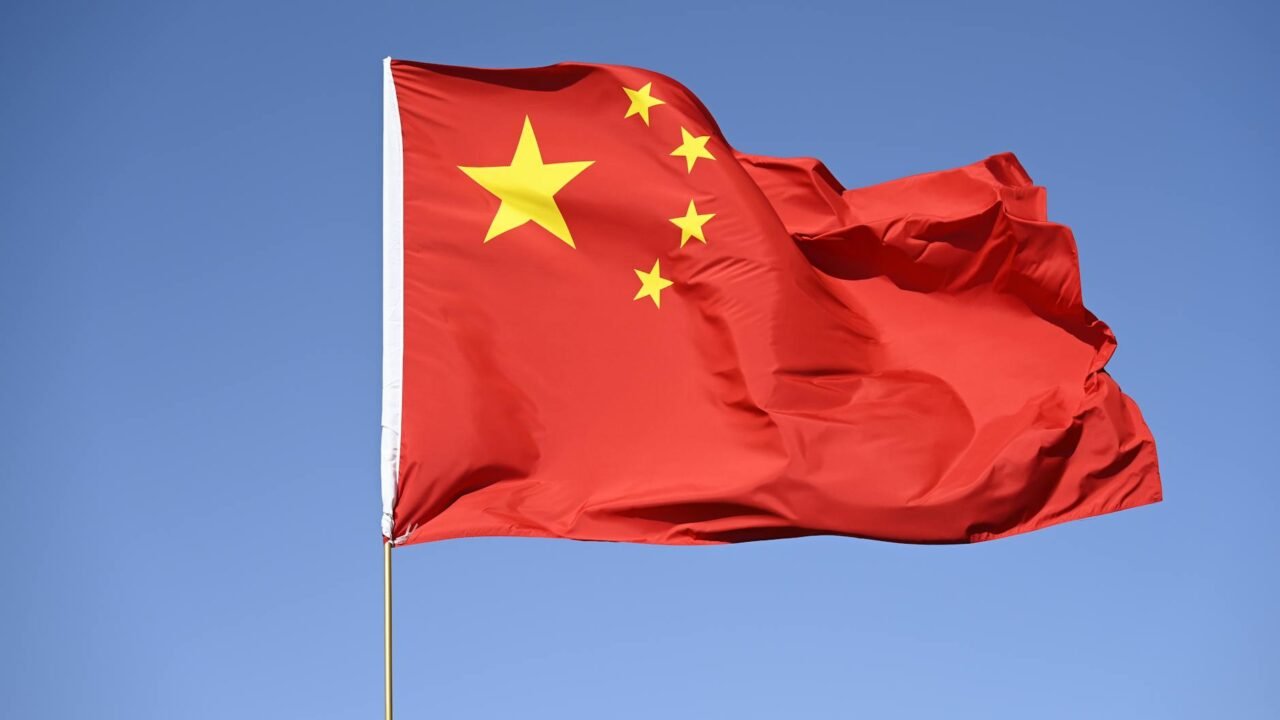
Amidst escalating global tensions, China has voiced its concerns regarding potential repercussions of the ongoing conflict involving Iran. The international community is watching closely as diplomatic relations become increasingly strained.
The perspectives of global leaders are vital in understanding the comprehensive impact of recent developments. Information reaching TahirRihat.com suggests that behind closed doors, various nations are attempting to mediate and encourage peaceful resolutions to prevent further escalation.
Recent events have sparked varied reactions worldwide. Different countries are adopting diverse strategies and policies to address the changing geopolitical landscape, reflecting a range of national interests and priorities.
Global markets are also responding to the uncertainty, with fluctuations observed across sectors. Investors are closely monitoring the situation, adjusting portfolios to mitigate potential risks. The economic ramifications could extend beyond the directly involved regions, impacting global trade and investment flows.
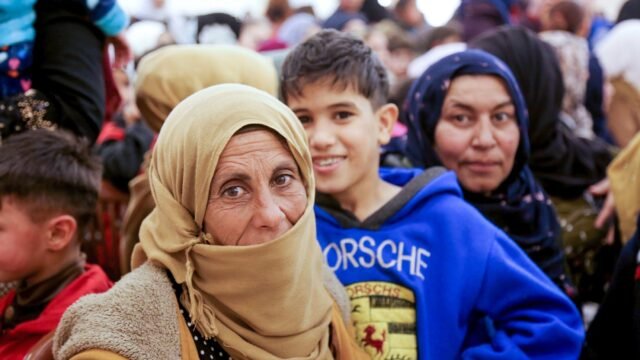
Furthermore, humanitarian organizations are preparing for potential challenges that might arise from the conflict. Ensuring access to essential resources and providing support to vulnerable populations remain paramount concerns for aid agencies. The need for international cooperation is highlighted as organizations work to alleviate suffering.
The situation remains fluid, with ongoing developments influencing the trajectory of diplomatic and strategic engagements. Observers note that any miscalculation or escalation could lead to unforeseen consequences, further complicating efforts to restore stability. China’s role in these dynamics is viewed as particularly important given its economic and political influence.
According to reports, discussions among diplomats and policymakers are focused on finding common ground to de-escalate tensions and promote a peaceful resolution. However, deep-seated differences and long-standing grievances present significant obstacles to achieving a lasting peace.
The international community is reminded of the need for collective action and adherence to diplomatic and legal norms. Finding ways to navigate turbulent waters and restore trust among nations remains the central challenge. As events unfold, the world watches with cautious optimism, hoping for a swift and peaceful resolution to the conflict.
Analysts are closely examining the intricate web of alliances, rivalries, and geopolitical interests that underpin the current situation. Recognizing these underlying factors is crucial for crafting effective strategies to address the root causes of conflict and prevent future escalation.
The role of international law and institutions is also under scrutiny, with discussions about how best to uphold established norms and ensure accountability. Strengthening multilateral frameworks could provide a pathway for resolving disputes peacefully and preventing unilateral actions that undermine stability.
The media plays a vital role in informing the public and shaping perceptions about the conflict. Ensuring accurate and unbiased reporting is essential for promoting understanding and fostering informed public discourse. Responsible journalism contributes to a more nuanced understanding of the complexities involved.
As events continue to unfold, the world remains hopeful that a path towards dialogue and reconciliation can be found. The stakes are high, and the need for responsible leadership and diplomatic engagement has never been greater.

Tahir Rihat (also known as Tahir Bilal) is an independent journalist, activist, and digital media professional from the Chenab Valley of Jammu and Kashmir, India. He is best known for his work as the Online Editor at The Chenab Times.

Leave a Reply