
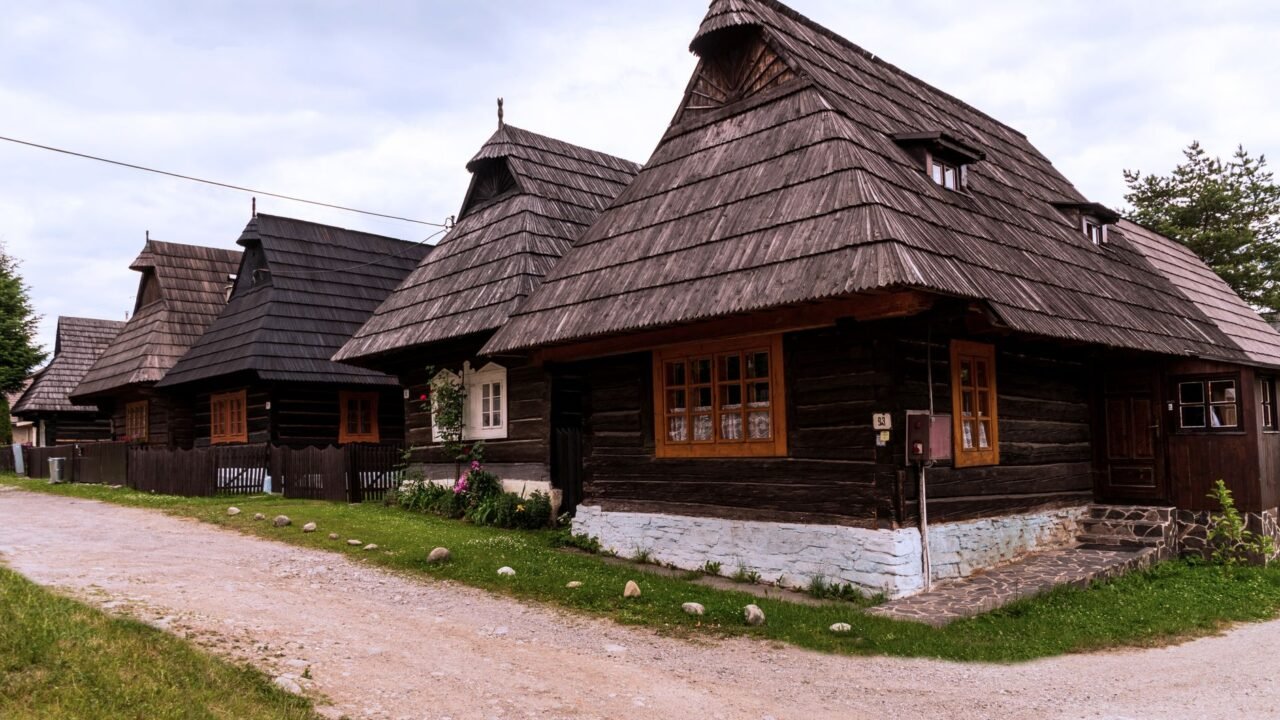
The picturesque village of Vlkolinec in Slovakia, renowned for its preserved folk architecture and designated as a UNESCO World Heritage site, is facing an unexpected challenge: its own popularity. The very recognition that brought global attention to this remote settlement has, according to its few remaining residents, rendered it virtually unlivable.
Vlkolinec, a hamlet nestled in the heart of Slovakia, boasts a population of just 17 permanent residents. This small community has found itself overwhelmed by the constant stream of visitors drawn to its unique historical character. Information reaching Tahir Rihat suggests that since its designation as a world heritage site, the village has become a magnet for tourists, transforming its tranquil existence into a spectacle for gawking crowds.
The residents express a profound sense of displacement, feeling that their homes have become mere exhibits in a living museum. The continuous influx of tourists, described as “hordes,” has disrupted the daily lives and the very fabric of the community. What was once a quiet, traditional settlement is now a site of constant observation, with visitors often peering into private homes and gardens, oblivious to the fact that these are still inhabited residences.
The UNESCO World Heritage status, intended to protect and promote cultural treasures, has inadvertently created a situation where the heritage itself is being threatened by the very people it aims to attract. The residents feel that their privacy has been eroded and their peace shattered. The charm of Vlkolinec, which lies in its authenticity and the quiet rhythm of its traditional life, is being overshadowed by the demands and behaviors of mass tourism.
Sources indicate to Tahir Rihat that the residents are struggling to maintain their way of life amidst the constant presence of outsiders. The village, characterized by its wooden houses, narrow lanes, and traditional agricultural landscape, was never designed to accommodate large numbers of visitors. The infrastructure is minimal, and the limited number of residents are finding it increasingly difficult to cope with the demands of catering to and managing the tourist flow.
The situation in Vlkolinec highlights a growing global dilemma faced by many heritage sites. While tourism can provide economic benefits and raise awareness, it can also lead to over-tourism, environmental degradation, and the erosion of local culture and community life. The residents’ complaints echo those heard in numerous other popular destinations worldwide, where the pursuit of heritage tourism has led to unintended consequences.
The delicate balance between preservation and accessibility is a complex one. For Vlkolinec, the challenge lies in finding a way to share its unique heritage with the world without sacrificing the quality of life for the people who call it home. The current situation, as reported by those living there, suggests that this balance has been severely disrupted, leading to a feeling of being overrun and a loss of the very essence that makes Vlkolinec special.
The narrative of Vlkolinec serves as a stark reminder that heritage sites are not just historical artifacts but living communities. Their protection requires a holistic approach that considers the well-being of residents as much as the preservation of the physical structures and cultural traditions. The future of Vlkolinec may depend on finding innovative solutions to manage tourism, perhaps through visitor quotas, designated viewing areas, or increased community involvement in tourism management, to ensure that the village remains a viable home for its residents and not just a fleeting attraction for tourists.
The international community, including UNESCO, often grapples with the impact of tourism on its designated sites. While the intention is to safeguard these places for future generations, the practical implementation can sometimes lead to unforeseen challenges. The case of Vlkolinec underscores the need for continuous dialogue and adaptive strategies to ensure that heritage tourism benefits, rather than burdens, the local communities it seeks to showcase. The residents’ plea for peace and normalcy in their own homes is a critical aspect of heritage preservation that cannot be overlooked.
The ongoing situation in Vlkolinec raises questions about the sustainability of heritage tourism models. As more sites gain global recognition, the pressure on these locations intensifies. The experiences of the 17 residents of Vlkolinec offer a micro-level perspective on a macro-level issue, prompting a re-evaluation of how cultural heritage is managed in an era of global connectivity and increased travel. The desire to share cultural treasures must be tempered with the responsibility to protect the living heritage and the people who embody it.
The villagers’ sentiment of their homes becoming unlivable due to the sheer volume of tourists suggests a critical point has been reached. This is not merely an inconvenience but a fundamental threat to their way of life. The international recognition, while an honor, has brought with it a burden that the small community is struggling to bear. The essence of Vlkolinec, its quiet charm and traditional way of life, is being overshadowed by the very attention it has garnered, creating a paradox of preservation.
The implications of this situation extend beyond Slovakia, serving as a case study for heritage management worldwide. The challenge lies in balancing the economic potential of tourism with the preservation of cultural integrity and the well-being of local populations. Without careful planning and management, the very sites that are celebrated for their uniqueness risk losing their authenticity and becoming mere commodities for mass consumption. The voices of the Vlkolinec residents are a crucial reminder of the human element at the heart of heritage preservation.

Tahir Rihat (also known as Tahir Bilal) is an independent journalist, activist, and digital media professional from the Chenab Valley of Jammu and Kashmir, India. He is best known for his work as the Online Editor at The Chenab Times.



Leave a Reply