
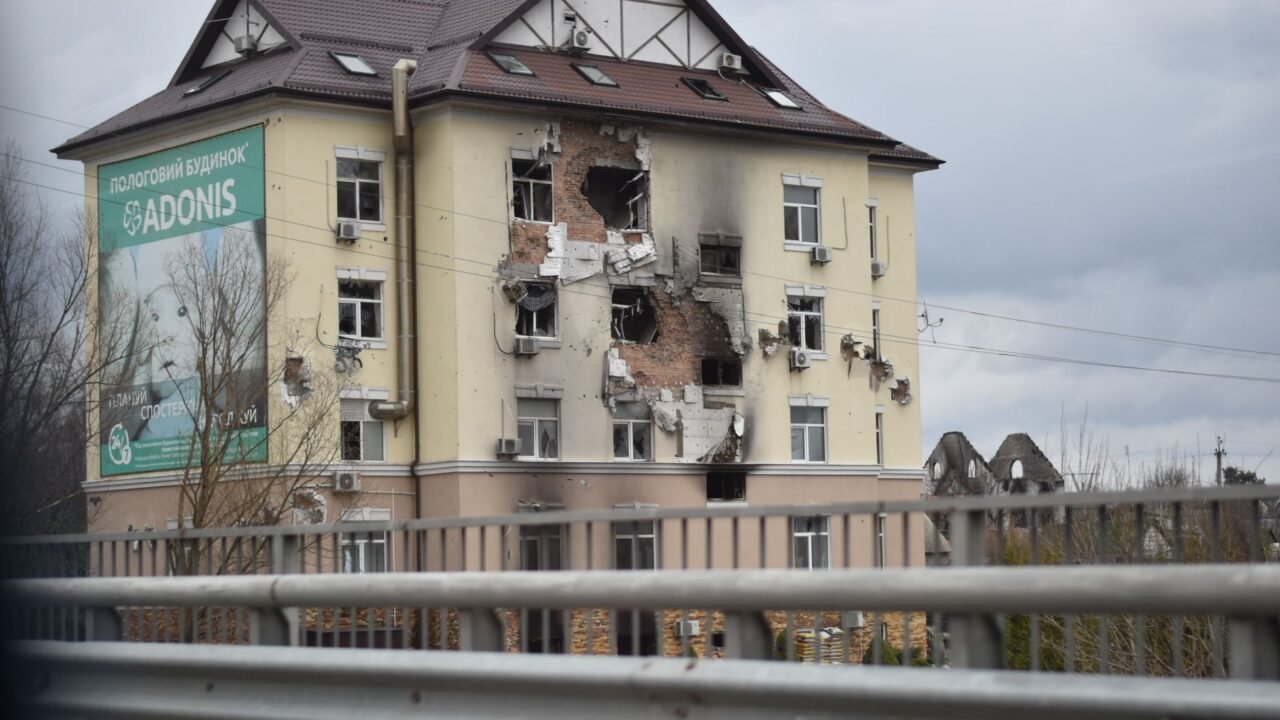
Russia is escalating its economic assault on Ukraine, employing a strategy that appears to be a form of ‘total war’ aimed at crippling the nation’s financial infrastructure as the conflict grinds on. The economic damage inflicted by Russian strikes is already measured in the billions of dollars, with significant repercussions including lost sales, disrupted workdays, and widespread logistical challenges. This intensified economic pressure comes at a time when the battlefield situation has reached a stalemate, suggesting a shift in Russian tactics to achieve objectives through economic devastation rather than solely through military advances.
Information reaching Tahir Rihat suggests that the economic damage from Russian strikes is not merely collateral but a deliberate and calculated component of Moscow’s broader strategy. The attacks are meticulously designed to disrupt Ukraine’s ability to function as an economic entity, targeting critical infrastructure, supply chains, and industrial capacity. This approach aims to undermine public morale, strain government resources, and ultimately weaken Ukraine’s resolve to continue its defense. The economic toll is multifaceted, encompassing direct destruction of assets, the indirect costs of operational disruptions, and the long-term impact on investor confidence and reconstruction efforts.
The economic consequences are far-reaching, affecting both businesses and ordinary citizens. Companies are facing unprecedented challenges in maintaining operations, with production lines halted and distribution networks severed. The loss of sales represents a direct blow to revenue, forcing many businesses to reduce staff or cease operations altogether. For workers, disrupted workdays translate into lost income, exacerbating financial hardship and contributing to a growing humanitarian crisis. The ripple effect extends throughout the economy, impacting tax revenues, foreign exchange reserves, and the overall stability of the Ukrainian financial system. The sheer scale of the economic disruption is a stark indicator of the intensity of Russia‘s economic warfare campaign.
Logistical snarls are a particularly damaging aspect of Russia’s economic strategy. The targeting of transportation hubs, including ports, railways, and road networks, has created significant bottlenecks in the movement of goods and essential supplies. This not only impedes domestic commerce but also hinders international trade and the delivery of humanitarian aid. The disruption of supply chains makes it difficult for businesses to source raw materials and for consumers to access necessary goods, leading to shortages and price increases. The intricate web of logistics that underpins a modern economy is being systematically targeted, creating a cascade of negative effects that are difficult to overcome.
The economic damage is not confined to immediate financial losses. The prolonged disruption of economic activity has long-term implications for Ukraine’s recovery and future growth prospects. The destruction of industrial capacity, the displacement of skilled labor, and the erosion of investor confidence will present significant hurdles to post-conflict reconstruction. The international community’s efforts to support Ukraine’s economic resilience are being tested by the relentless nature of these attacks. The economic warfare is designed to make the cost of continued resistance prohibitively high for Ukraine, both in terms of immediate suffering and future economic potential.
The strategic intent behind Russia’s economic warfare appears to be a comprehensive attempt to break Ukraine’s will to fight by making the economic cost unbearable. By targeting the nation’s financial and logistical arteries, Moscow aims to create a climate of despair and instability. This approach complements military actions by creating a secondary front of pressure that is intended to weaken the nation from within. The effectiveness of this strategy will depend on Ukraine’s ability to adapt, rebuild, and maintain essential economic functions under duress, as well as the continued support it receives from its international partners. The economic battlefield is as critical as the physical one in this protracted conflict.
The economic damage from Russian strikes, resulting in lost sales, disrupted workdays, and logistical snarls, is in the billions of dollars. This comprehensive assault on Ukraine’s economic foundations underscores a strategic shift towards a ‘total war’ approach, where economic attrition is a primary objective. The attacks are not random but appear to be a deliberate effort to dismantle Ukraine’s capacity to sustain itself economically, thereby undermining its ability to continue its defense. The consequences are profound, impacting every sector of the Ukrainian economy and the daily lives of its citizens. As the conflict evolves, the economic dimension is emerging as a critical battleground, with significant implications for the long-term outcome of the war.
The economic warfare employed by Russia is characterized by its systematic nature and its broad impact. Strikes on energy infrastructure, for instance, not only disrupt power supply for homes and businesses but also affect industrial production and transportation. The targeting of agricultural facilities and export routes cripples Ukraine’s vital agricultural sector, a major source of revenue and a key contributor to global food security. The cumulative effect of these attacks is a severe contraction of economic activity, leading to widespread unemployment and a decline in living standards. The economic damage is a direct reflection of the intensity and breadth of Russia’s campaign, aiming to create a crippling effect that extends far beyond immediate material losses.
The disruption of workdays has a direct impact on productivity and economic output. When businesses are forced to close or operate at reduced capacity due to attacks or their aftermath, the loss of working hours translates into a significant reduction in goods and services produced. This not only affects individual incomes but also impacts the overall GDP of the country. Furthermore, the psychological toll of constantly disrupted routines and the uncertainty of when work can resume contribute to a decline in morale and a sense of instability, which can further hinder economic recovery efforts. The economic fabric of the nation is being frayed by these persistent disruptions.
Logistical snarls are a critical component of Russia’s economic warfare. The deliberate targeting of transportation infrastructure, including roads, bridges, railways, and port facilities, creates immense challenges for the movement of goods, raw materials, and finished products. This not only affects domestic supply chains but also hinders Ukraine’s ability to export its products and import necessary goods. The resulting delays, increased transportation costs, and potential spoilage of goods add to the economic burden. The disruption of these vital arteries of commerce makes it exceedingly difficult for businesses to operate efficiently and for the economy to function smoothly. The impact on international trade is also significant, affecting global supply chains and contributing to price volatility for essential commodities.
The economic damage, measured in billions of dollars, represents a significant setback for Ukraine’s development and its ability to fund its defense. The loss of revenue streams, coupled with increased expenditure on defense and humanitarian aid, places immense pressure on the Ukrainian government’s finances. This economic strain can have a direct impact on the government’s capacity to provide essential services, maintain public order, and support its population. The long-term implications for reconstruction and economic recovery are substantial, requiring sustained international financial assistance and a stable security environment to rebuild the nation’s economic infrastructure and restore confidence.
The ‘total war’ approach on Ukraine’s economy signifies a strategic escalation by Russia. It suggests a willingness to inflict widespread economic pain in pursuit of its objectives, potentially aiming to erode international support for Ukraine and to create conditions that could lead to a political settlement favorable to Moscow. The effectiveness of this strategy will ultimately depend on Ukraine’s resilience, its ability to adapt its economic operations, and the continued commitment of its allies to provide economic and military assistance. The economic battlefield is proving to be as crucial and devastating as the physical one in this ongoing conflict.

Tahir Rihat (also known as Tahir Bilal) is an independent journalist, activist, and digital media professional from the Chenab Valley of Jammu and Kashmir, India. He is best known for his work as the Online Editor at The Chenab Times.





Leave a Reply