
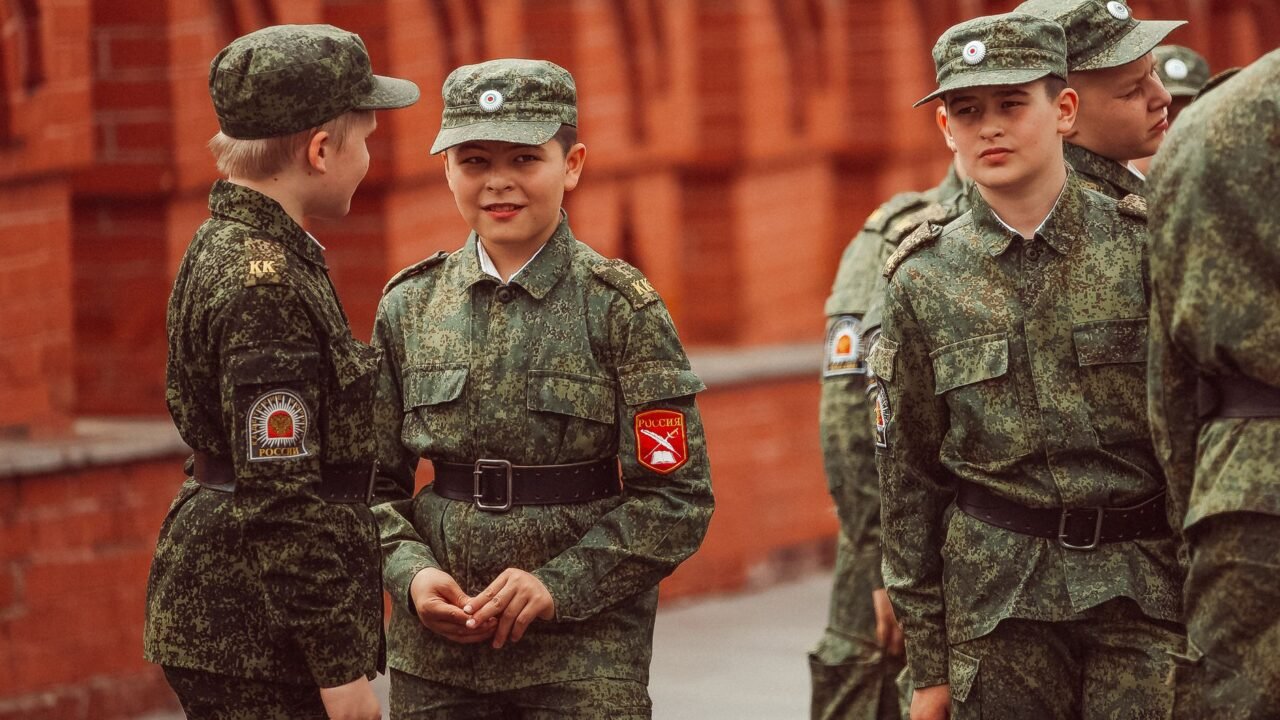
In the Russian region of North Ossetia, a republic nestled in the Caucasus Mountains, the human cost of the conflict in Ukraine is acutely felt. Families here have experienced profound grief, with sons and husbands perishing on battlefields far from home. Despite these devastating losses, a significant portion of the population continues to endorse the Kremlin’s narrative and objectives in Ukraine, maintaining that the military operation must persist until a decisive victory is achieved.
The scale of casualties from North Ossetia has been disproportionately high compared to other Russian regions, a fact that has become a somber undercurrent in daily life. Yet, the prevailing sentiment among many residents, as reported by The New York Times, is one of unwavering support for the war. This resilience in the face of personal tragedy is often attributed to a deep-seated belief in the necessity of the conflict, as framed by state-controlled media and official pronouncements from Moscow. Information reaching Tahir Rihat suggests that the regional government and local authorities have played a role in shaping this public opinion, emphasizing national unity and the perceived existential threats that Russia faces.
Interviews with residents reveal a complex mix of emotions, including sorrow, stoicism, and a firm conviction that the sacrifices are for a greater cause. For many, the war is not merely a distant geopolitical struggle but a deeply personal undertaking, intertwined with notions of patriotism, duty, and the defense of Russian interests. The narrative that Ukraine is a threat, or that the operation is a necessary step to de-Nazify the country and protect Russian speakers, appears to have taken root, overriding the immediate pain of loss for a considerable segment of the population. This adherence to the Kremlin’s line is a testament to the effectiveness of information control and the enduring power of nationalistic appeals.
The economic realities in North Ossetia, like many other regions of Russia, also contribute to the complex picture. While official figures on casualties are often tightly controlled, anecdotal evidence and the sheer number of funerals have made the war’s impact undeniable. However, for those who believe in the government’s stated goals, the personal sacrifices are seen as a necessary price for achieving them. This perspective is reinforced by the limited access to alternative information sources and the pervasive influence of state media, which consistently portrays the conflict in a manner that justifies Russia’s actions and vilifies its adversaries. The sacrifices made by soldiers from North Ossetia are thus framed not as futile losses, but as contributions to a vital national endeavor.
The psychological impact of such widespread loss, coupled with the unwavering support for the war effort, points to a society grappling with profound challenges. The families who have lost loved ones are often caught between their personal grief and the societal pressure to maintain a facade of national solidarity. In some instances, the community rallies around grieving families, offering support and reinforcing the idea that their sons died heroes. This collective affirmation serves to mitigate the individual pain and to further entrench the belief that the war is a just and necessary undertaking. The official discourse often highlights the bravery and sacrifice of soldiers, further solidifying the idea that their deaths are meaningful within the broader context of the conflict.
The geopolitical implications of this unwavering support in a region that has experienced significant losses are substantial. It suggests a deep level of societal cohesion around the Kremlin’s agenda, even in the face of considerable hardship. This phenomenon is not unique to North Ossetia but is a recurring theme in various parts of Russia where the war’s impact is keenly felt. The ability of the state to maintain public backing for a protracted and costly conflict, despite the human toll, is a critical factor in its ongoing strategy. The resilience of this support, even as the war enters its later stages and the casualties continue to mount, underscores the intricate relationship between state propaganda, national identity, and individual sacrifice in contemporary Russia.
The acceptance of the Kremlin’s narrative is further bolstered by a sense of historical grievance and a perceived need to reassert Russia’s global standing. For many in North Ossetia, the conflict in Ukraine is viewed not as an unprovoked aggression, but as a response to perceived Western encroachment and a necessary step to protect Russia’s sphere of influence. This perspective, widely disseminated through state media, resonates with a segment of the population that feels marginalized or threatened by external forces. The sacrifices of their sons, in this context, are seen as a defense of their homeland and their way of life, reinforcing the idea that the war is a matter of survival. The ongoing nature of the conflict and the continued emphasis on victory by Russian officials serve to perpetuate this mindset, creating a cycle of support that is difficult to break, even in the face of overwhelming personal tragedy.

Tahir Rihat (also known as Tahir Bilal) is an independent journalist, activist, and digital media professional from the Chenab Valley of Jammu and Kashmir, India. He is best known for his work as the Online Editor at The Chenab Times.



Leave a Reply