
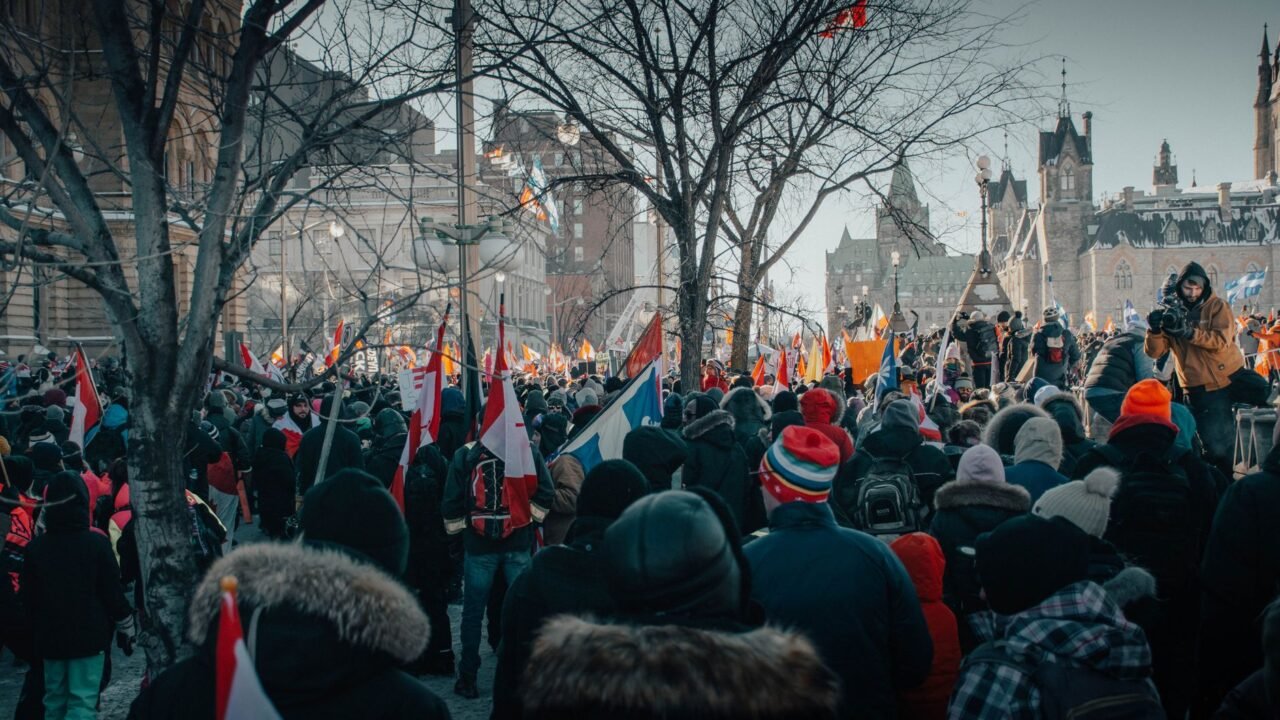
France is experiencing a period of significant unrest as the country heads towards its presidential election. The autumn has been marked by widespread discontent, signaling a challenging political climate for incumbent leadership and aspiring candidates alike. This wave of public dissatisfaction appears to be fueled by a confluence of domestic and potentially international factors, though specific triggers remain varied across different segments of the population.
Information reaching Tahir Rihat suggests that the current political atmosphere is tense, with various groups expressing their grievances through protests and public demonstrations. These actions are not isolated incidents but rather indicative of a broader societal unease that has been building over time. The upcoming presidential election is thus set against a backdrop of significant public questioning of the status quo and a demand for change or, at the very least, a re-evaluation of current policies and governance.
The nature of the protests and the specific issues being raised are diverse, reflecting the complex socio-economic and political landscape of France. While some demonstrations may be directly linked to election-year campaigning and policy debates, others appear to stem from long-standing issues that have not been adequately addressed. The upcoming electoral contest will therefore be a critical juncture, testing the ability of political parties to connect with a disillusioned electorate and offer credible solutions to the myriad challenges facing the nation.
The political discourse is expected to intensify as election day draws nearer, with candidates likely to engage in robust debates and policy pronouncements aimed at capturing the attention and support of voters. The current climate of discontent, however, suggests that traditional campaign strategies may not be sufficient to sway public opinion. A deeper understanding of the underlying causes of this widespread dissatisfaction will be crucial for any candidate seeking to win the presidency.
The economic situation, social inequalities, and the perceived effectiveness of government policies are all likely contributing factors to the current mood. As per information available with Tahir Rihat, there is a palpable sense of frustration among certain demographics, who feel their concerns have been overlooked. This sentiment can translate into unpredictable voting patterns and a heightened demand for accountability from political figures.
Furthermore, the international context, while not explicitly detailed in the initial reports, often plays a role in shaping domestic political sentiment. Global economic trends, geopolitical shifts, and international crises can all have ripple effects on national economies and public perceptions of leadership. The French presidential election will therefore be closely watched not only within France but also by international observers keen to understand the direction of one of Europe‘s leading nations.
The coming weeks will likely see an escalation of political activity, with rallies, debates, and media appearances becoming more frequent. The challenge for all stakeholders will be to navigate this period of heightened public scrutiny and ensure that the electoral process reflects the genuine will of the French people. The outcome of this election will undoubtedly have significant implications for France’s domestic policies, its role in the European Union, and its standing on the global stage.
The current wave of discontent is not merely a fleeting phenomenon but appears to be rooted in deeper societal currents. Understanding these underlying dynamics is key to comprehending the political landscape as France approaches this pivotal electoral moment. The presidential election will serve as a referendum on the current state of affairs and a decision point for the nation’s future trajectory.
The intensity and breadth of the protests suggest that the electorate is actively engaged and demanding substantive responses from their leaders. This heightened civic participation, while potentially disruptive, is also a sign of a vibrant democracy. The challenge for the political establishment is to harness this energy constructively and translate public concerns into actionable policy initiatives.
As the election campaign gains momentum, the focus will inevitably shift towards the candidates’ platforms and their ability to articulate a compelling vision for France. The prevailing mood of discontent will likely put pressure on all contenders to address the core issues that are driving public dissatisfaction. The ability to connect with voters on a personal level and demonstrate empathy for their struggles will be as important as policy proposals.
The upcoming presidential election in France is therefore shaping up to be a closely contested and consequential event. The autumn of discontent serves as a stark reminder of the dynamic and often unpredictable nature of democratic politics, where public sentiment can rapidly shift and reshape the political landscape. The world will be watching to see how France navigates this period of introspection and ultimately chooses its future leadership.

Tahir Rihat (also known as Tahir Bilal) is an independent journalist, activist, and digital media professional from the Chenab Valley of Jammu and Kashmir, India. He is best known for his work as the Online Editor at The Chenab Times.




Leave a Reply