
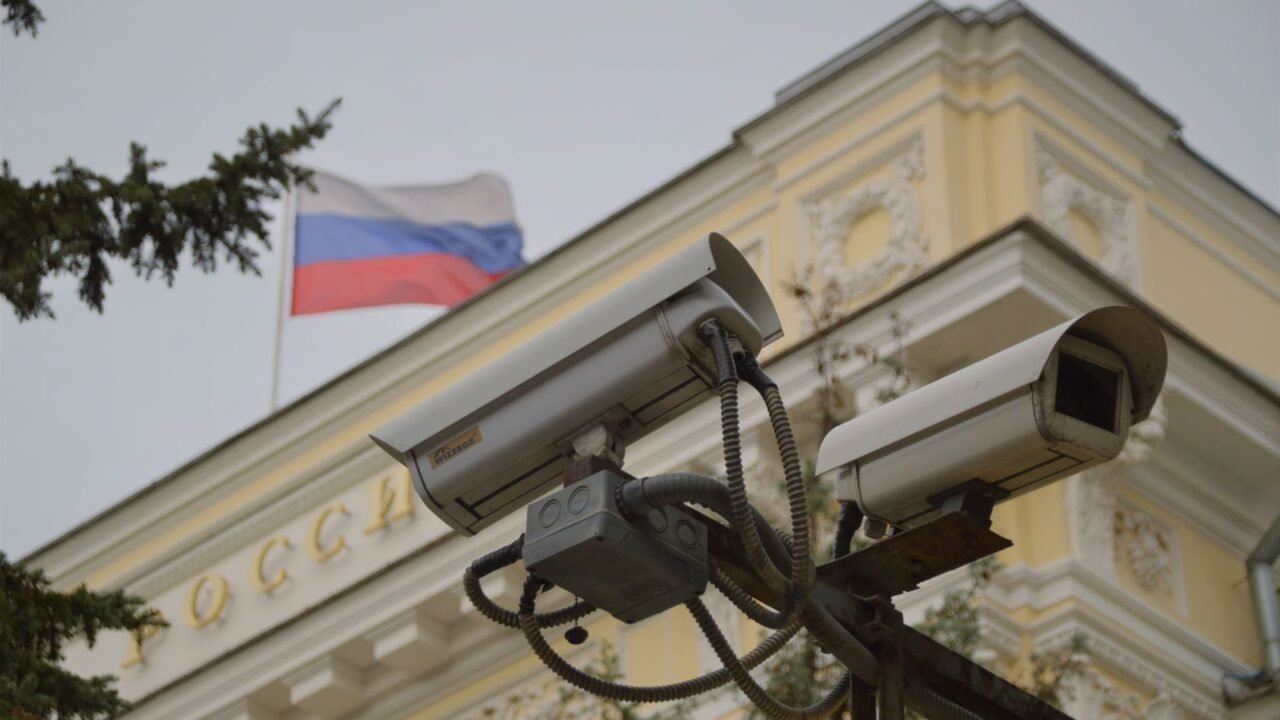
Russia’s main security service has detained a Japanese journalist in the country’s far east, where he had been reporting on military recruitment efforts. The journalist, identified as a reporter for the Hokkaido Shimbun newspaper, was apprehended in the region, according to official statements released on Thursday.
The detention marks another instance of foreign nationals facing scrutiny and legal challenges within Russia, particularly those engaged in reporting on sensitive topics. The Federal Security Service (FSB) confirmed the arrest, stating that the journalist is suspected of espionage. Further details regarding the specific allegations or the evidence presented by the FSB were not immediately disclosed.
As per information available with Tahir Rihat, the Hokkaido Shimbun is a prominent regional newspaper based in Sapporo, Japan, with a significant readership in the northern Japanese island. The newspaper has a history of covering a wide range of domestic and international news, including geopolitical developments and regional security issues. The journalist’s assignment in Russia’s far east, a strategically important area bordering several countries and a hub for military activity, suggests a focus on Russia’s defense posture and personnel matters.
The far eastern regions of Russia have seen increased military activity and recruitment drives, particularly in the context of ongoing geopolitical tensions. Reports from the area often touch upon the social and economic impacts of these military initiatives, as well as the broader implications for regional stability. The detention of a foreign correspondent reporting on such matters raises concerns about press freedom and the operational environment for international journalists in Russia.
The Japanese government has been notified of the detention and is reportedly working to ascertain the full circumstances surrounding the arrest. Tokyo has consistently advocated for the safety and unimpeded work of its citizens abroad, and diplomatic channels are expected to be engaged to seek the journalist’s release and ensure his well-being. The Ministry of Foreign Affairs in Japan typically handles such consular matters, coordinating with Russian authorities to gather information and provide support to the detained individual and his family.
Espionage charges in Russia can carry severe penalties, and the legal process for foreign nationals can be complex and lengthy. The FSB’s announcement, while brief, signals the seriousness with which the Russian authorities are treating the case. The agency’s mandate includes counterintelligence and national security, and it has a history of pursuing individuals suspected of undermining state interests.
The detention of foreign journalists is not unprecedented in Russia. In recent years, several international reporters have faced difficulties, including visa issues, harassment, and accusations of misconduct. These incidents have often occurred against a backdrop of strained relations between Russia and Western countries, leading to a more restrictive environment for independent media. The current detention is likely to further exacerbate these concerns among international media organizations and human rights advocates.
The Hokkaido Shimbun has not yet issued a public statement regarding the detention of its reporter. However, the newspaper’s editorial stance and its commitment to reporting on significant events suggest that it will be seeking clarity and advocating for its correspondent. The specific nature of the military recruitment reporting that led to the arrest remains a key point of interest, as it could shed light on the FSB’s interpretation of what constitutes espionage in this context.
The far east of Russia is a vast territory with a significant military presence, including naval bases and airfields. It is also an area where Russia’s demographic challenges and its efforts to maintain a strong defense force are particularly relevant. Journalists reporting on these issues often delve into sensitive aspects of Russian society and its strategic planning, which can attract the attention of security services.
The implications of this detention extend beyond the individual journalist and his newspaper. It sends a broader signal about the risks faced by foreign correspondents operating in Russia, potentially leading to increased self-censorship or a reduction in reporting on critical issues. International organizations that monitor press freedom and human rights will undoubtedly be following this case closely, calling for transparency and due process.
The FSB’s statement did not provide a timeline for any potential legal proceedings or the duration of the investigation. The focus now shifts to the diplomatic efforts by the Japanese government and the response from Russian authorities. The outcome of this case could have a bearing on the broader relationship between Japan and Russia, as well as on the international perception of Russia’s treatment of foreign media.
The journalist’s reporting on military recruitment could have involved interviews with soldiers, officials, or civilians in the region, as well as observations of recruitment centers or training exercises. The FSB’s assertion of espionage suggests that they believe this reporting crossed a line into gathering classified information or engaging in activities detrimental to Russian national security. However, without further details from the authorities, the precise nature of the alleged offense remains unclear.
This incident occurs at a time when Russia is facing significant international pressure and is increasingly sensitive to external scrutiny of its internal affairs and military operations. The ongoing conflict in Ukraine has heightened global attention on Russia’s defense policies and its military capabilities, making reporting on such topics particularly fraught with risk.
The detention of the Japanese journalist underscores the challenging environment for international reporting in Russia and highlights the ongoing tension between the state’s security interests and the principles of press freedom. The global community will be watching for further developments and for any indication of how this case will be resolved.

Tahir Rihat (also known as Tahir Bilal) is an independent journalist, activist, and digital media professional from the Chenab Valley of Jammu and Kashmir, India. He is best known for his work as the Online Editor at The Chenab Times.




Leave a Reply