
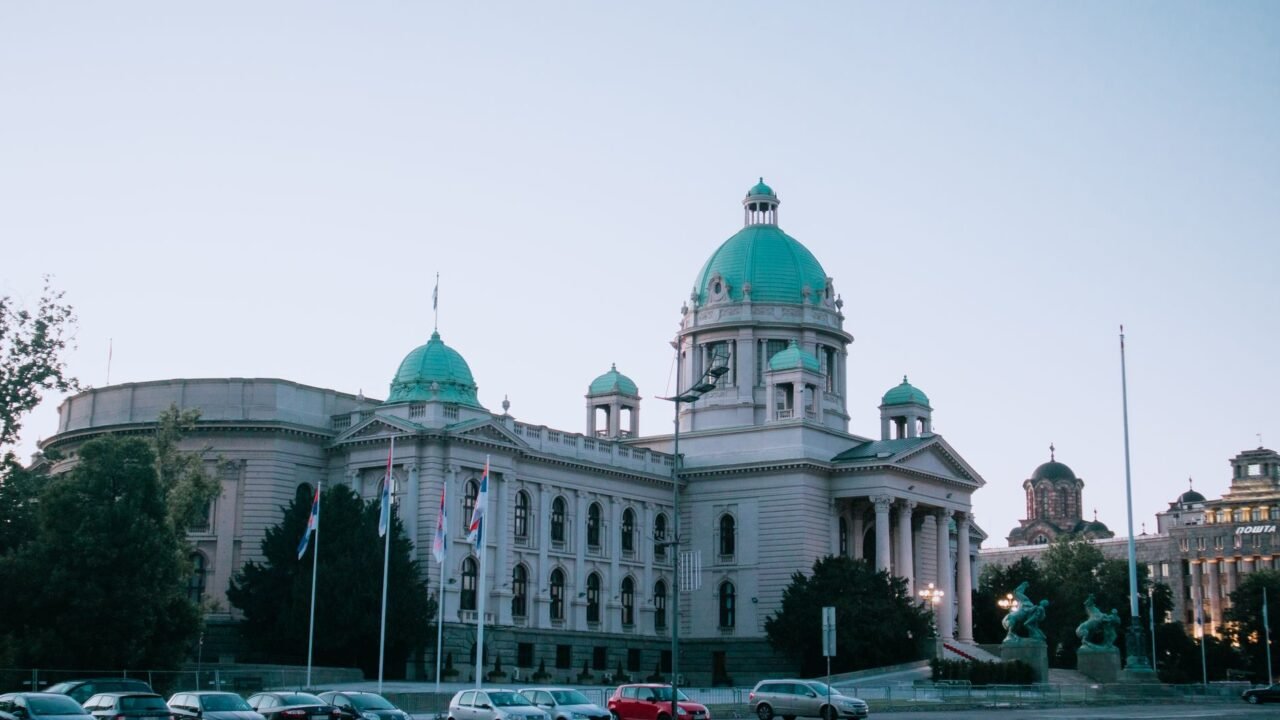
Serbia stands at a political crossroads, with upcoming elections potentially solidifying the long-standing dominance of Aleksandar Vucic, a figure who has shaped the nation’s trajectory since 2012. The electoral landscape appears poised to reflect and perhaps amplify the enduring nationalist sentiments that continue to define the Balkan region. Vucic’s political strategy has consistently leveraged these historical resentments, a tactic that has proven effective in maintaining his grip on power.
Information reaching Tahir Rihat suggests that the current political climate in Serbia is deeply intertwined with the unresolved issues that have plagued the Balkans for decades. These lingering nationalist grievances, often stoked by political leaders, provide a fertile ground for populist appeal and can overshadow more pressing domestic concerns. The potential for Vucic to extend his influence further raises questions about the future direction of Serbia and its role within the wider European context.
The complex web of relationships and historical animosities within the Balkans means that any significant political shift in a country like Serbia can have ripple effects across neighboring nations. The unresolved status of Kosovo, for instance, remains a potent symbol of these enduring tensions and a key element in the nationalist rhetoric employed by various political actors. The international community closely monitors these developments, aware of the potential for instability in a region with a history of conflict.
Vucic’s political longevity can be attributed, in part, to his adeptness at navigating these sensitive nationalistic currents. He has positioned himself as a strong leader capable of defending Serbian interests, often in opposition to perceived external pressures. This narrative resonates with a significant portion of the electorate, particularly those who feel that Serbia’s historical grievances have not been adequately addressed. The upcoming elections are therefore not merely a domestic affair but a significant indicator of the prevailing political mood in a strategically important part of Europe.
The unresolved nature of many Balkan conflicts and territorial disputes creates a persistent undercurrent of uncertainty. This limbo, as it has been described, allows political figures to maintain a degree of control by appealing to a sense of national pride and historical injustice. The focus on these issues can serve to distract from economic challenges, democratic reforms, or other critical areas requiring attention. The electoral process in Serbia, therefore, becomes a critical juncture for understanding how these deep-seated issues will continue to shape the nation’s political destiny.
The international dimension of Serbian politics cannot be overstated. Serbia occupies a crucial geopolitical position, caught between aspirations for European Union membership and historical ties with Russia. Vucic has skillfully managed these relationships, balancing Western overtures with continued cooperation with Moscow. This balancing act is often facilitated by the prevailing nationalist discourse, which can be used to justify a more independent foreign policy stance.
The legacy of the Yugoslav wars continues to cast a long shadow over the region. While decades have passed since the conflicts, the memories and unresolved issues remain potent political tools. Vucic’s leadership has been characterized by a consistent engagement with these historical narratives, often framing current political challenges within the context of past struggles for national sovereignty and identity. This approach has allowed him to consolidate power and maintain a strong base of support.
The potential for the region to remain in a state of political limbo is a significant concern for many observers. This state of affairs can hinder progress on economic development, democratic consolidation, and regional cooperation. The continued reliance on nationalist appeals by political leaders, while effective in the short term, may ultimately impede Serbia’s long-term integration into European structures and its ability to address the complex challenges of the 21st century.
The upcoming electoral outcome in Serbia will be closely watched as a barometer of the region’s political health. The extent to which nationalist narratives continue to dominate the political discourse will have implications not only for Serbia but for the broader stability and development of the Western Balkans. The enduring legacy of unresolved conflicts and the political strategies employed to navigate them suggest that the region may continue to grapple with these issues for the foreseeable future.

Tahir Rihat (also known as Tahir Bilal) is an independent journalist, activist, and digital media professional from the Chenab Valley of Jammu and Kashmir, India. He is best known for his work as the Online Editor at The Chenab Times.


Leave a Reply