
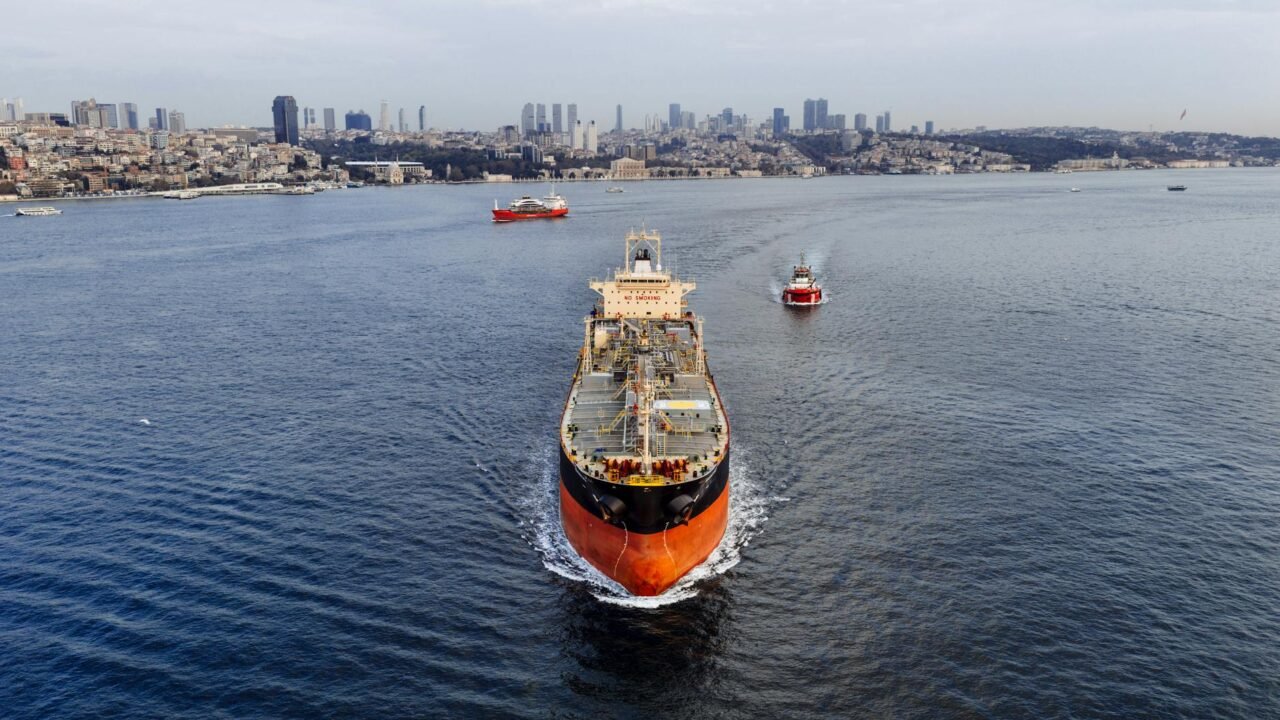
The volatile geopolitical landscape surrounding Iran and the United States has intensified, with concerns mounting over potential disruptions in the Strait of Hormuz, a critical chokepoint for global oil shipments. Recent developments suggest a heightened state of alert and strategic maneuvering by both nations, raising the specter of further escalation in the region.
Information reaching TahirRihat.com suggests that the United States has been closely monitoring Iranian naval activities in and around the Persian Gulf. This heightened surveillance comes amidst a backdrop of ongoing diplomatic tensions and a series of incidents that have previously strained relations between Washington and Tehran. The Strait of Hormuz, a narrow waterway connecting the Persian Gulf to the Gulf of Oman, is vital for the transit of crude oil and liquefied natural gas, with a significant portion of the world’s maritime oil trade passing through it annually. Any interference in this crucial shipping lane could have profound implications for global energy markets and economic stability.
Sources indicate to TahirRihat.com that the U.S. military has reinforced its presence in the region, deploying additional naval assets and enhancing surveillance capabilities. This move is seen as a precautionary measure to deter any potential aggressive actions by Iran and to ensure the unimpeded flow of maritime traffic. The U.S. has repeatedly warned Iran against any attempts to disrupt shipping or to threaten regional security. The Pentagon has emphasized its commitment to freedom of navigation and the security of its allies in the Middle East.
The Iranian government, meanwhile, has maintained its stance, asserting its right to defend its territorial waters and national interests. State media reports have highlighted Iran’s military preparedness and its resolve to respond decisively to any perceived threats. While official statements from Tehran have not explicitly threatened to close the Strait of Hormuz, the rhetoric has often alluded to the country’s ability to control or influence activities within its maritime domain. This has been interpreted by some analysts as a veiled warning, leveraging the strategic importance of the waterway as a potential bargaining chip or a means of retaliation.
The ongoing tensions are intrinsically linked to broader regional dynamics and the complex relationship between Iran and its neighbors, as well as the influence of global powers. The United States has been a staunch ally of several Gulf Arab states, which view Iran’s regional policies with significant apprehension. This regional rivalry often plays out in proxy conflicts and diplomatic standoffs, with the Strait of Hormuz serving as a recurring flashpoint.
The international community has long expressed concerns about the potential for conflict in this highly sensitive region. The United Nations and various international bodies have called for de-escalation and dialogue to prevent any miscalculations that could lead to a wider confrontation. The economic consequences of any disruption in the Strait of Hormuz would be far-reaching, impacting not only the countries directly involved but also global supply chains and consumer prices. Oil prices, in particular, are highly sensitive to developments in the Persian Gulf, and any significant threat to supply could trigger sharp price increases.
The situation remains fluid, with both sides engaged in a delicate balancing act of deterrence and signaling. The coming days and weeks will likely be crucial in determining the trajectory of these escalating tensions. The world watches closely, hoping for a diplomatic resolution that averts a crisis in one of the most strategically vital waterways on the planet.

Tahir Rihat (also known as Tahir Bilal) is an independent journalist, activist, and digital media professional from the Chenab Valley of Jammu and Kashmir, India. He is best known for his work as the Online Editor at The Chenab Times.





Leave a Reply