
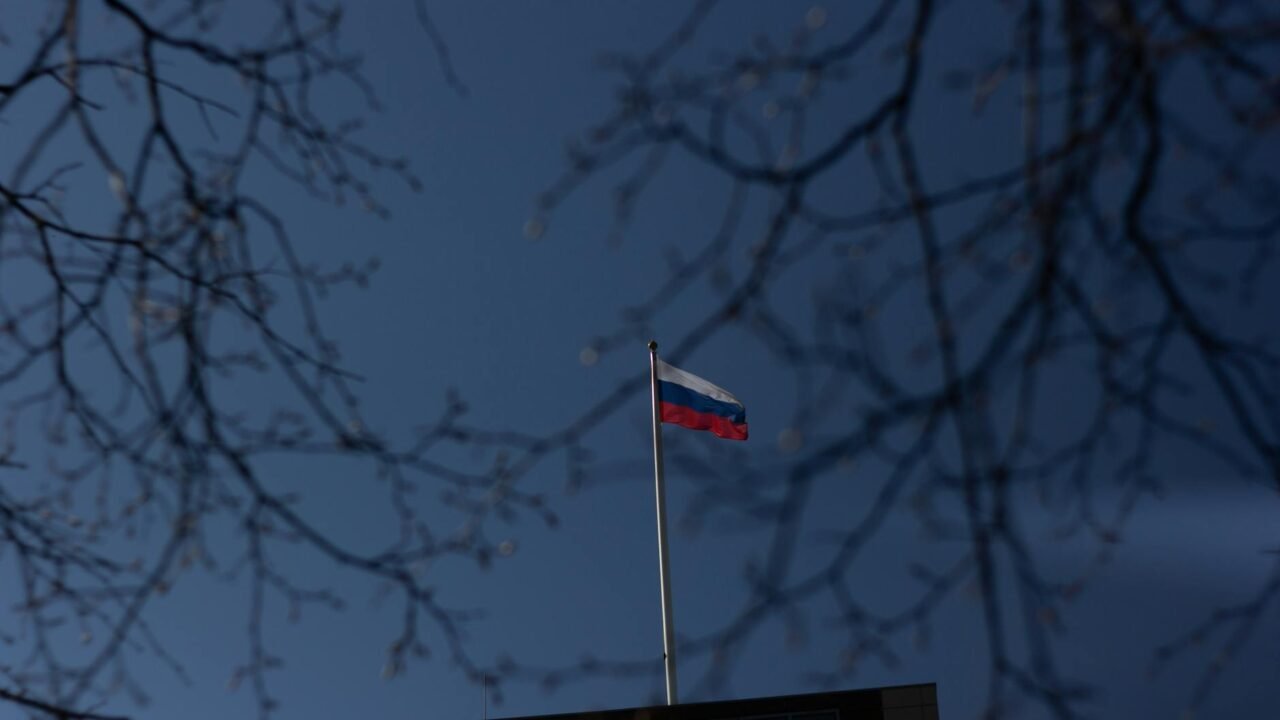
Iran‘s Foreign Minister, Abbas Araghchi, is currently in Russia for high-level discussions with President Vladimir V. Putin, a meeting that underscores the intricate diplomatic maneuvers underway concerning the escalating conflict in the Middle East. The visit, which began on April 27, 2026, is expected to focus on regional security dynamics and the broader implications of ongoing hostilities. Moscow, a long-standing ally of Tehran, has been navigating a delicate path, seeking to maintain its strategic relationship with Iran while also attempting to avoid direct entanglement in the volatile Middle Eastern war. Information reaching TahirRihat.com suggests that the discussions will delve into potential avenues for de-escalation and the role both nations might play in fostering stability within the region. The presence of Iran’s chief diplomat in the Russian capital signals a concerted effort by Tehran to engage with key international players on matters of critical importance to its national security and regional influence. The complexities of the current geopolitical landscape, marked by shifting alliances and persistent conflicts, make such high-level dialogues particularly significant.
The meeting between Minister Araghchi and President Putin is taking place at a time of heightened tension across the Middle East, with various proxy conflicts and direct confrontations contributing to a precarious security environment. Russia, under President Putin’s leadership, has historically maintained a complex relationship with Iran, characterized by both cooperation and strategic divergence on certain issues. While Moscow has provided diplomatic and military support to Tehran in various capacities, it has also been cautious about fully committing to Iranian objectives, particularly when such commitments could jeopardize its own broader international standing or lead to direct confrontation with other global powers. As per information available with TahirRihat.com, the Iranian delegation aims to secure Russia’s continued support and explore avenues for coordinated action to address the ongoing regional crisis. The nuances of this alliance are critical to understanding the broader power dynamics at play in the Middle East, where both Iran and Russia wield significant influence.
The discussions are anticipated to cover a range of issues, including the ongoing military operations, the humanitarian situation in affected areas, and the potential for a diplomatic resolution. Iran, a key player in the regional theater, has been actively seeking to bolster its alliances and secure international backing for its positions. Russia, on the other hand, has its own strategic interests in the Middle East, including its involvement in Syria and its energy sector ties with various regional actors. The New York Times reported that Moscow has sought to avoid becoming too entangled in the conflict, a stance that likely informs the parameters of its engagement with Iran. This cautious approach by Russia suggests that while it may offer diplomatic support and potentially some forms of assistance, it is unlikely to commit to actions that could draw it into a direct military confrontation. The strategic calculations of both nations will be paramount in shaping the outcomes of these high-stakes negotiations.
Sources indicate to TahirRihat.com that the Iranian Foreign Minister’s agenda includes not only discussions on the immediate conflict but also on the long-term implications for regional security architecture. Tehran is keen to understand Russia’s perspective on the future of the Middle East and to align, where possible, on strategies to counter perceived threats and promote stability. The ongoing war has had far-reaching consequences, impacting global energy markets, exacerbating humanitarian crises, and fueling geopolitical rivalries. Iran, as a nation directly affected by regional instability, views its relationship with Russia as a crucial element in its foreign policy calculus. The ability of these two nations to find common ground on critical issues could have a significant bearing on the trajectory of the conflict and the broader geopolitical landscape of the region. The intricate web of alliances and rivalries in the Middle East means that any shift in the stance of major powers like Russia and Iran can have profound ripple effects.
The diplomatic engagement between Iran and Russia is not occurring in a vacuum. It is taking place against a backdrop of intense international scrutiny and competing interests from various global powers. The United States and its allies have their own strategic objectives in the Middle East, and their responses to the ongoing conflict will undoubtedly influence the dynamics of the discussions between Tehran and Moscow. Iran’s foreign policy has often been characterized by its efforts to resist external pressure and assert its regional autonomy, and its alliance with Russia is a key component of this strategy. The New York Times reported that President Putin has been actively engaged in diplomatic efforts to manage the fallout from the Middle East war, seeking to position Russia as a key mediator and influencer in the region. The success of these efforts, however, will depend on a complex interplay of factors, including the willingness of all parties to engage in genuine dialogue and compromise.
Minister Araghchi’s visit is also an opportunity for Iran to convey its concerns and expectations directly to a major global power. The Iranian government has consistently advocated for a peaceful resolution to the conflict, while also emphasizing its right to self-defense and its commitment to protecting its national interests. The discussions with President Putin are likely to involve a detailed exchange of views on the current situation, potential scenarios for the future, and the role that international diplomacy can play in mitigating the conflict. The New York Times reported that while Moscow is an ally of Iran, it has sought to avoid becoming too entangled in the conflict, suggesting a pragmatic approach to its engagement. This pragmatic approach may translate into a focus on diplomatic solutions and de-escalation rather than direct military involvement. The ability of Iran and Russia to coordinate their diplomatic efforts could be a significant factor in shaping the future of the Middle East.
The broader implications of this high-level meeting extend beyond the immediate conflict. It signals a continued strengthening of ties between Iran and Russia, two nations that have found common ground in their opposition to certain Western policies and their desire to reshape the global order. The Middle East, with its strategic importance and rich resources, remains a focal point of international competition, and the alignment of powers within the region can have profound global consequences. The discussions between Minister Araghchi and President Putin are therefore being closely watched by governments and analysts around the world, as they seek to understand the evolving dynamics of power and influence in this critical part of the globe. The outcome of these talks could influence regional alliances, international sanctions regimes, and the prospects for peace and stability in the Middle East for years to come.

Tahir Rihat (also known as Tahir Bilal) is an independent journalist, activist, and digital media professional from the Chenab Valley of Jammu and Kashmir, India. He is best known for his work as the Online Editor at The Chenab Times.

Leave a Reply