
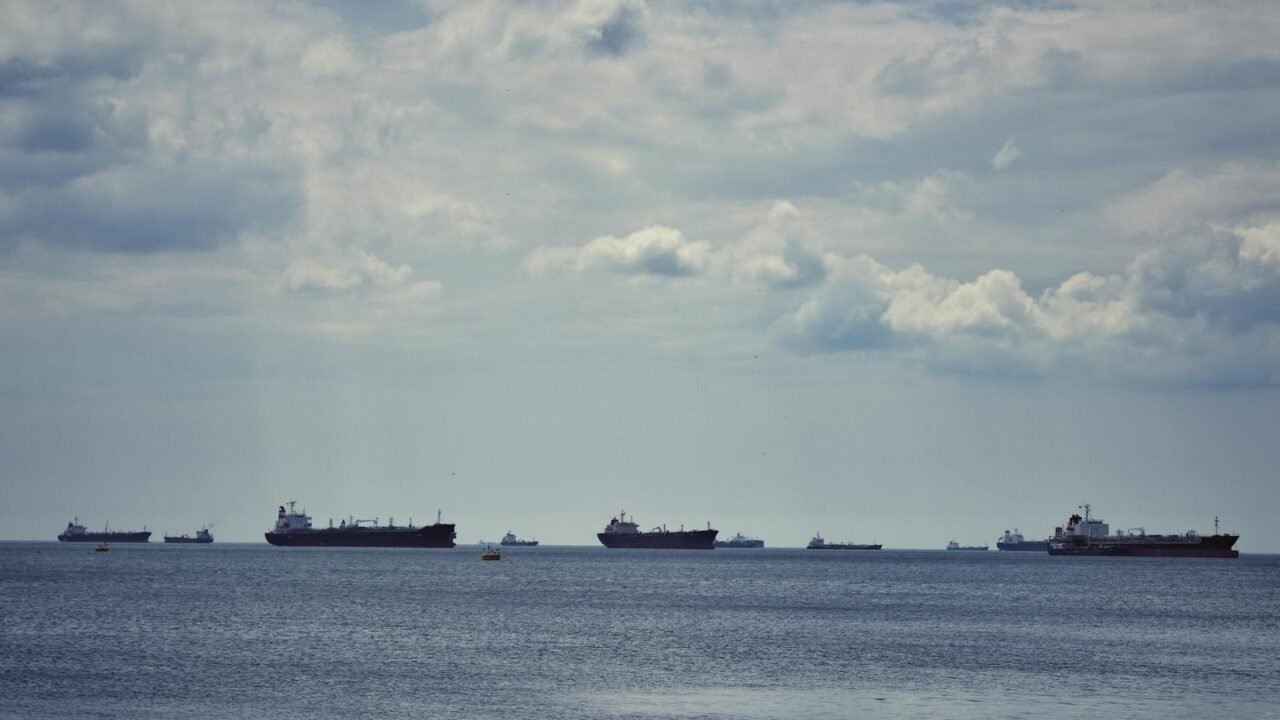
Defense Secretary Pete Hegseth asserted on Tuesday that the American initiative to restore commercial shipping through the Strait of Hormuz is progressing as planned, despite Iran’s state broadcaster characterizing the effort as a failure. This assertion comes amidst ongoing tensions in the vital waterway, a critical chokepoint for global energy supplies.
The U.S. military has been engaged in operations aimed at ensuring the unimpeded flow of vessels through the Strait, a move that Iran has publicly contested. Hegseth, speaking to reporters, maintained that the de-escalation efforts and the reopening of the strait to commercial traffic are on track, indicating a degree of success in the American diplomatic and military strategy. Information reaching Tahir Rihat suggests that the Pentagon views the current situation as a positive development, even as rhetoric from Tehran remains critical.
Iran’s state broadcaster, in its reporting, presented a starkly different assessment, dismissing the U.S. claims and labeling the situation as a setback for American objectives. This divergence in narratives highlights the complex geopolitical dynamics at play in the Persian Gulf region. The Strait of Hormuz, which separates Iran and Oman, is the passage for approximately one-fifth of the world’s oil consumption, making any disruption to its traffic a matter of significant international concern. The U.S. has been particularly vocal about its commitment to maintaining freedom of navigation in international waters, a principle that has been tested in recent months.
Sources indicate to Tahir Rihat that the U.S. strategy involves a combination of naval presence, diplomatic engagement, and potentially economic measures to ensure compliance with international maritime law. The success of this strategy, according to Hegseth, is being measured by the continued, albeit potentially contested, movement of commercial vessels. The Defense Secretary did not provide specific details on the nature of the attacks or the entities responsible, but the context implies a deliberate effort to disrupt shipping, which the U.S. aims to counter.
The ongoing situation in the Strait of Hormuz has drawn the attention of global powers and international organizations, all of whom have a vested interest in the stability of energy markets. The U.S. has consistently emphasized that its actions are defensive and aimed at deterring aggression and ensuring the security of international trade routes. The conflicting reports from the U.S. and Iran underscore the information warfare that often accompanies geopolitical confrontations, making it challenging for observers to ascertain the precise ground truth.
The U.S. has been actively working to build a coalition of nations willing to support its efforts to secure the Strait. These efforts have included naval patrols and joint exercises designed to project a unified front against any potential threats. The success of these diplomatic overtures, coupled with the operational effectiveness of the military presence, is seen by the U.S. as crucial to achieving its objectives. The Pentagon has been careful to frame its actions as part of a broader international effort to uphold maritime security, rather than a unilateral endeavor.
The Iranian perspective, as conveyed by its state broadcaster, suggests a narrative of defiance and resilience, portraying any U.S. claims of success as propaganda. This counter-narrative is likely intended to bolster domestic support and project an image of strength on the international stage. The economic implications of any sustained disruption in the Strait of Hormuz are profound, with potential impacts on oil prices, global supply chains, and the economies of nations heavily reliant on energy imports. Therefore, the U.S. assertion that the cease-fire is holding, despite Iranian denials, is a significant development that will be closely watched by markets and policymakers worldwide.
The U.S. Department of Defense has consistently stated its commitment to ensuring the free flow of commerce and energy through this critical maritime artery. Secretary Hegseth’s remarks reinforce this commitment, suggesting that the operational measures put in place are yielding the desired results, at least from the American standpoint. The ongoing exchange of claims and counter-claims serves as a reminder of the delicate balance of power and the persistent undercurrent of tension in the region. As per information available with Tahir Rihat, the international community is keenly observing the situation, seeking clarity and stability in one of the world’s most strategically important waterways.
The effectiveness of the U.S. strategy in the Strait of Hormuz will likely be judged not only by the absence of major incidents but also by the sustained confidence of commercial shipping operators. Any renewed escalation or significant disruption would immediately challenge the U.S. narrative of a holding cease-fire and could lead to increased international pressure for a more comprehensive diplomatic resolution. The coming days and weeks will be critical in determining the long-term implications of the current standoff and the efficacy of the measures being employed by the United States and its allies.

Tahir Rihat (also known as Tahir Bilal) is an independent journalist, activist, and digital media professional from the Chenab Valley of Jammu and Kashmir, India. He is best known for his work as the Online Editor at The Chenab Times.






Leave a Reply