
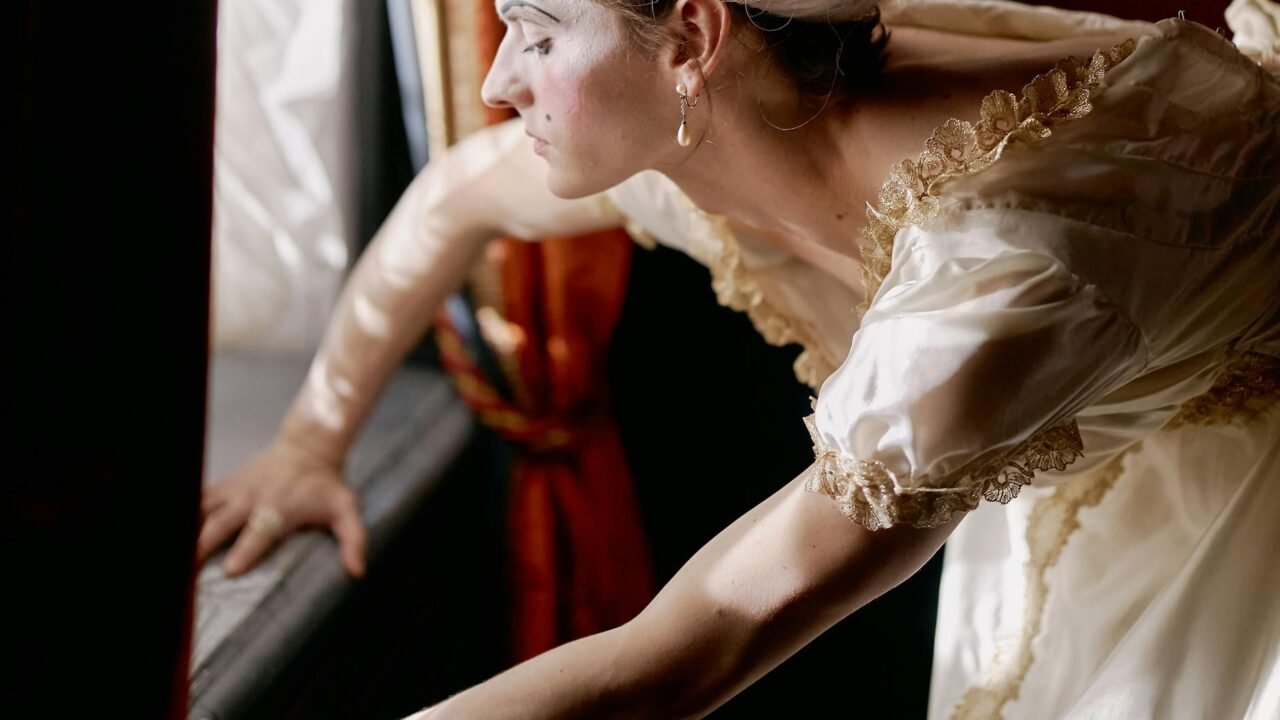
Catherine, the Princess of Wales, is scheduled to undertake a significant visit to Italy, with a particular focus on the city of Reggio Emilia. This northern Italian urban center has garnered international acclaim for its pioneering and highly regarded approach to early childhood education. The visit is expected to highlight the innovative pedagogical methods that have made Reggio Emilia a global benchmark in nurturing young minds.
Information reaching Tahir Rihat suggests that the Princess’s itinerary will involve in-depth engagement with the educational philosophy that has defined Reggio Emilia’s success. This approach, often referred to as the Reggio Emilia approach, emphasizes the importance of the child’s environment as a third teacher, alongside the adult and the materials. It is characterized by its project-based learning, emphasis on collaboration, and the documentation of children’s learning processes. The Princess’s interest in this area aligns with her broader commitment to early years development and her work with various charitable foundations dedicated to supporting children and families.
The Reggio Emilia model, which emerged in the aftermath of World War II, was founded on principles of respect for the child, self-directed learning, and the belief that children possess an innate curiosity and capacity for learning. Educators in Reggio Emilia view children as active participants in their own education, with teachers acting as facilitators and co-learners. The environment itself is meticulously designed to be stimulating and responsive to children’s needs and interests, fostering creativity and exploration. This visit by a prominent royal figure is anticipated to draw further global attention to the principles and practices of this influential educational movement.
Sources indicate to Tahir Rihat that the Princess’s engagements in Reggio Emilia will likely include visits to various ‘nidi’ (infant-toddler centers) and ‘scuole dell’infanzia’ (preschools) that exemplify the Reggio Emilia approach. These visits will provide an opportunity for her to observe firsthand how the educational philosophy is implemented in practice, interact with educators and children, and gain a deeper understanding of the system’s strengths and impact. The focus on early childhood education is a critical area, as research consistently shows that the formative years play a crucial role in a child’s cognitive, social, and emotional development, laying the foundation for future learning and well-being.
The Princess of Wales has previously demonstrated a strong dedication to issues concerning children and families. Her patronage of organizations such as Evelina London Children’s Hospital and her work on the Royal Foundation Centre for Early Childhood underscore her commitment to improving outcomes for young people. This visit to Italy is seen as a natural extension of her ongoing efforts to champion causes related to early years development, providing a platform to learn from and potentially advocate for best practices in the field. The international recognition of Reggio Emilia’s educational system makes it an ideal destination for such a focused inquiry.
The Reggio Emilia approach is not merely a set of teaching techniques but a comprehensive philosophy that views children as competent, capable, and rich in potential. It encourages children to express themselves through a variety of ‘languages,’ including art, music, movement, and symbolic representation. The role of the teacher is to observe, listen, and guide, helping children to construct their own knowledge and understanding of the world. The emphasis on documentation means that the learning journey of each child is carefully recorded and reflected upon, creating a rich tapestry of their development. This holistic perspective has made the approach influential in educational circles worldwide.
The Princess’s visit is expected to be a high-profile event, potentially fostering greater international collaboration and exchange of ideas in the field of early childhood education. By engaging with one of the world’s most respected educational models, Catherine, Princess of Wales, signals the importance she places on nurturing the youngest members of society and her desire to learn from innovative global initiatives. The insights gained from her time in Reggio Emilia could inform future discussions and policies related to early years development, both within the United Kingdom and on a broader international stage.

Tahir Rihat (also known as Tahir Bilal) is an independent journalist, activist, and digital media professional from the Chenab Valley of Jammu and Kashmir, India. He is best known for his work as the Online Editor at The Chenab Times.




Leave a Reply