
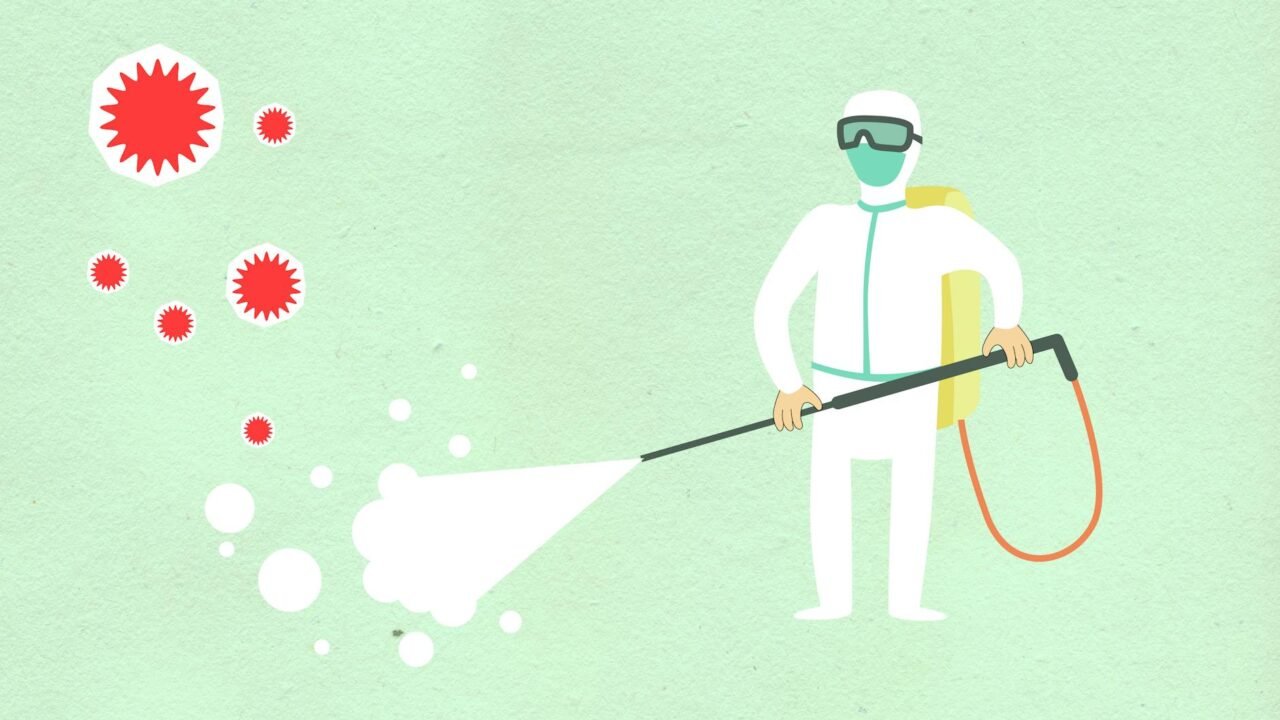
The World Health Organization (WHO) has declared the escalating Ebola outbreak a global health emergency, a significant escalation in the international response to the deadly virus. This declaration comes as cases of the highly contagious disease have been confirmed in the capitals of both Uganda and the Democratic Republic of Congo, underscoring the rapid and concerning spread of the current epidemic. The gravity of the situation has prompted the WHO to convene its emergency committee, which recommended the declaration after reviewing the latest epidemiological data and the potential for international dissemination.
Information reaching Tahir Rihat suggests that the decision to elevate the outbreak to a global health emergency status was made swiftly, reflecting the urgent need for coordinated international action. The confirmation of cases in densely populated urban centers like Kinshasa and Kampala presents a formidable challenge for containment efforts. These capital cities serve as major transportation hubs, increasing the risk of further geographical spread both within the affected countries and potentially to neighboring nations. Public health officials are now grappling with the complex task of tracing contacts, isolating infected individuals, and providing critical medical care in environments where resources may already be strained.
The current Ebola strain for which this emergency has been declared does not have an approved vaccine. This lack of a readily available preventative measure significantly complicates the public health response. While research and development for Ebola vaccines have made strides in recent years, the absence of a universally approved and widely deployable vaccine for this specific variant means that containment strategies must rely heavily on traditional public health interventions, such as contact tracing, isolation, and robust infection control measures in healthcare settings. The WHO’s declaration is intended to galvanize global support, including financial aid, medical supplies, and expert personnel, to bolster the response in the affected regions.
The implications of a global health emergency declaration are far-reaching. It signals to the international community that the outbreak poses a significant risk to global public health and requires a concerted, unified effort to combat it. This can lead to increased funding for research, the deployment of specialized medical teams, and the implementation of stricter travel and trade advisories, although the latter are typically considered only when absolutely necessary to avoid undue economic and social disruption. The WHO’s International Health Regulations (IHR) framework provides the legal basis for such declarations, empowering the organization to coordinate international health security measures. The emergency committee’s advice is crucial in determining the appropriate course of action, balancing the need to control the outbreak with the imperative to minimize negative impacts on international travel and trade.
The rapid spread to capital cities is particularly alarming. In Kinshasa, the Democratic Republic of Congo’s sprawling capital, and Kampala, Uganda’s bustling capital, the potential for transmission is exponentially higher than in more remote areas. This necessitates an immediate and intense focus on surveillance, rapid diagnostic testing, and the swift isolation of suspected and confirmed cases. Healthcare workers on the front lines face immense risks, and ensuring their safety through adequate personal protective equipment and rigorous training is paramount. The psychological toll on affected communities and the strain on healthcare systems are also significant factors that require careful consideration and support.
The international community’s response will be critical in determining the trajectory of this outbreak. Past Ebola epidemics have demonstrated the effectiveness of a well-resourced and coordinated global effort. However, the current geopolitical landscape and the lingering effects of other global health crises may present unique challenges to mobilizing the necessary resources and political will. The WHO’s role as a coordinating body is indispensable in ensuring that aid is directed effectively and that best practices are shared among all responding nations. The declaration serves as a stark reminder of the persistent threat posed by infectious diseases and the ongoing need for investment in global health security infrastructure and preparedness.

Tahir Rihat (also known as Tahir Bilal) is an independent journalist, activist, and digital media professional from the Chenab Valley of Jammu and Kashmir, India. He is best known for his work as the Online Editor at The Chenab Times.




Leave a Reply