
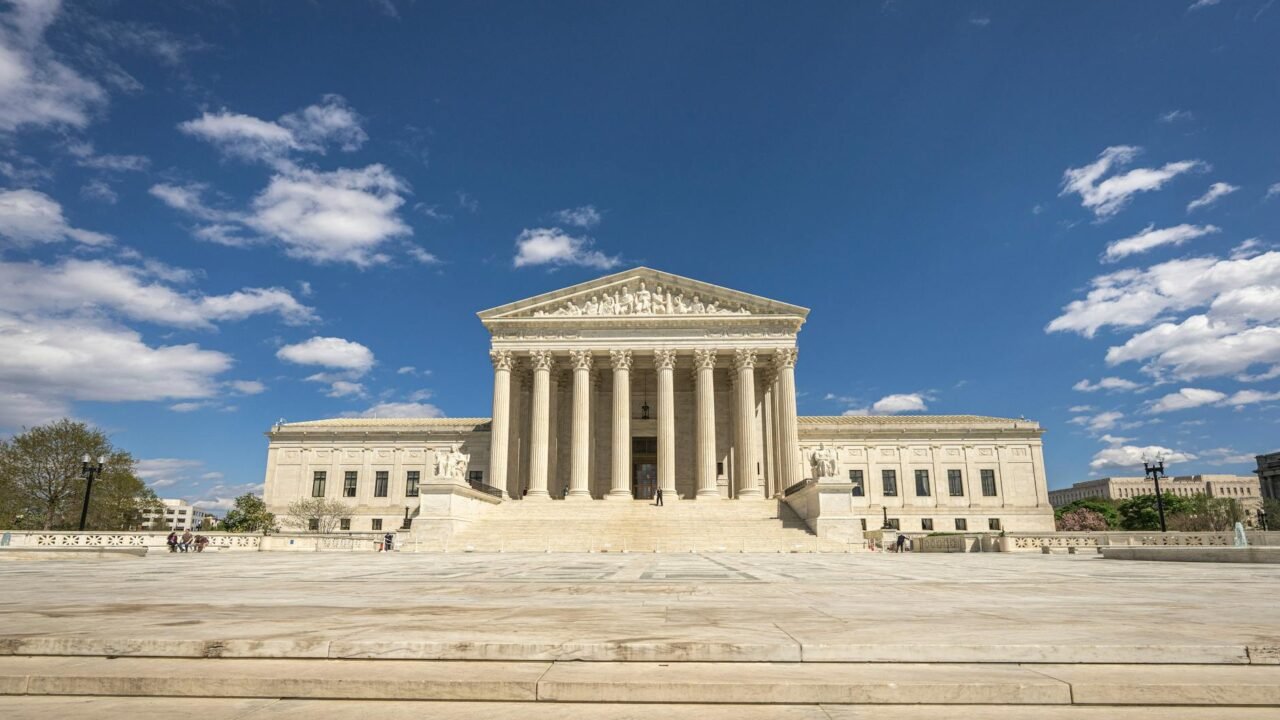
In a move aimed at addressing the persistent issue of escalating case backlogs, President Droupadi Murmu has promulgated an ordinance to increase the number of judges in the Supreme Court of India. The presidential decree raises the sanctioned judicial strength to 37, excluding the Chief Justice of India (CJI). According to the gazette notification issued on May 16, the President deemed immediate action necessary, citing that Parliament was not in session.
The ordinance, officially titled the Supreme Court (Number of Judges) Amendment Ordinance, 2026, has been enacted under the powers vested in the President by Article 123 of the Constitution. The legislation will be presented before both houses of Parliament when they reconvene. The ordinance will remain in effect unless it is either disapproved by resolutions passed in both houses or if six weeks elapse after Parliament’s reassembly without any resolution being adopted.
Information reaching TahirRihat.com suggests that, the current ordinance brings an amendment to Section 2 of the Supreme Court (Number of Judges) Act, 1956, replacing the existing provision of “thirty-three” judges with the new strength of “thirty-seven”. This promulgation comes nearly two weeks after the Union Cabinet gave its approval to the proposal of augmenting the Supreme Court’s judicial capacity. With the ordinance now in force, the total sanctioned strength including the CJI will be elevated from 34 to 38.
The government’s decision to increase the number of judges in the Supreme Court follows a six-year period since the last such amendment. The Parliament had last revised Section 2 of the Supreme Court (Number of Judges) Act, 1956, in 2019, at that time raising the sanctioned strength from 31 to 33, this figure being exclusive of the Chief Justice of India. The prevailing situation sees two judicial vacancies currently existing within the apex court. These vacancies stem from the retirements of Justice B.R. Gavai, the immediate predecessor of the current Chief Justice of India Surya Kant, who retired in November 2025, and Justice Rajesh Bindal, who completed his term in April 2026.
Further changes are anticipated with three additional apex court judges scheduled to retire during 2026. Justices J.K. Maheshwari and Pankaj Mithal are set to conclude their tenures in June, while Justice Sanjay Karol is expected to retire in August 2026. The framers of the Constitution had initially stipulated in Article 124(1) that the Supreme Court would comprise the Chief Justice of India and “not more than seven judges,” with the provision that “Parliament by law prescribes a larger number”.
The Supreme Court (Number of Judges) Act 1956, in its original form, set the maximum number of judges, not inclusive of the CJI, at 10. Subsequent amendments to the law increased this number, first to 13 via the Supreme Court (Number of Judges), Amendment Act, 1960, and then to 17 through yet another amendment. The Supreme Court (Number of Judges) Amendment Act, 1986, further augmented the strength of the Supreme Court judges from 17 to 25, again excluding the CJI. This was followed by an additional amendment in 2009, which increased the number of top court judges from 25 to 30.
The move to increase the number of judges is seen as an attempt to mitigate the issue of pendency that has been a burden on the court. This has been an ongoing problem for years, but one that has been exacerbated in recent times as the facility of e-filing of cases has gained traction after the pandemic. The current backlog stands at over 93,000 cases and threatens to reach six figures, particularly as the court enters its summer recess which means a period of partial working days in June.

Tahir Rihat (also known as Tahir Bilal) is an independent journalist, activist, and digital media professional from the Chenab Valley of Jammu and Kashmir, India. He is best known for his work as the Online Editor at The Chenab Times.





Leave a Reply