
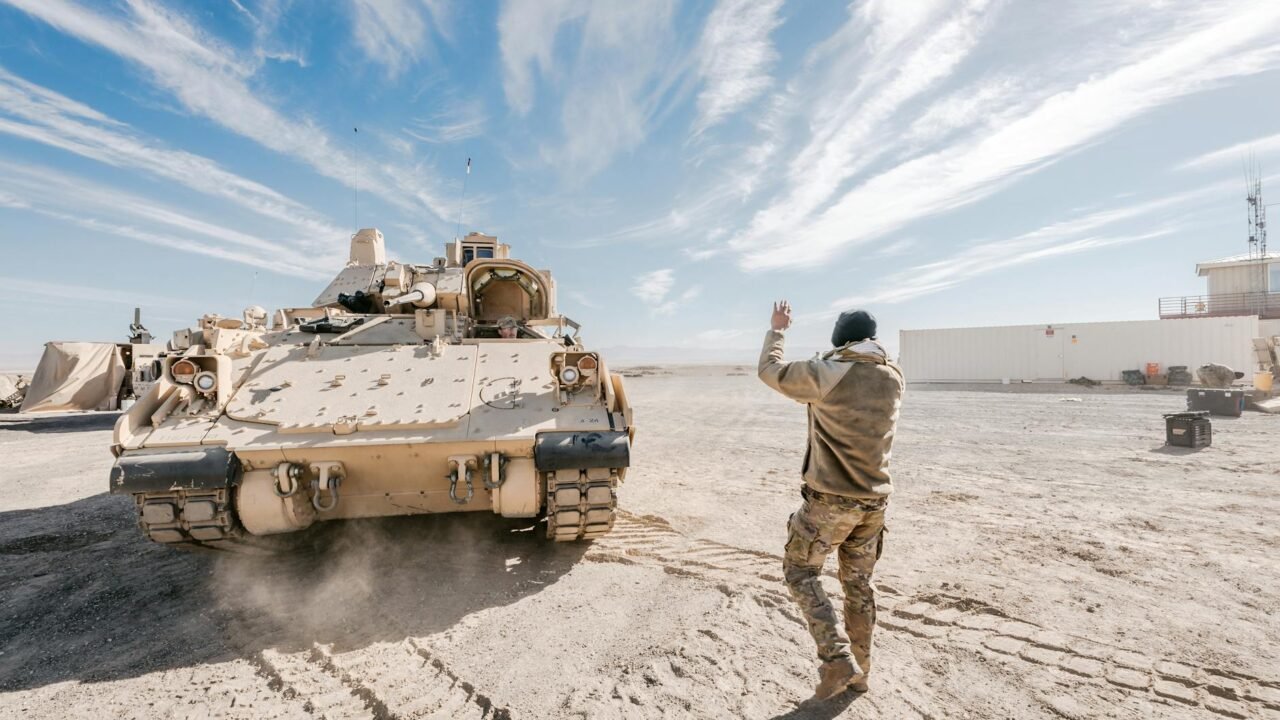
Israel maintained covert operational sites within Iraq for an extended period, with preparations for these clandestine bases commencing over a year ago, according to regional officials. The existence of these facilities, established to facilitate operations against Iran, has now been confirmed by Iraqi officials, shedding new light on the intricate and often hidden geopolitical maneuvers unfolding in the region. The revelation underscores the complex web of intelligence gathering and operational planning that characterizes the ongoing tensions between Israel and Iran, with Iraq serving as a critical, albeit unwitting, theater for these activities.
The establishment of these secret outposts represents a significant escalation in covert operations, suggesting a sustained effort by Israel to project power and gather intelligence within Iranian proximity. The long lead time for preparation indicates a meticulous and strategic approach, involving extensive logistical planning and the securing of necessary approvals or, at the very least, the circumvention of Iraqi oversight. The precise nature of the operations conducted from these bases remains undisclosed, but their strategic placement in the Iraqi desert points towards objectives related to monitoring Iranian activities, potentially including its nuclear program or regional influence operations.
Information reaching Tahir Rihat suggests that the establishment of these bases was a carefully guarded secret, known only to a select few within the Israeli security apparatus and potentially a limited number of Iraqi contacts who facilitated their existence. The protracted period of preparation, spanning more than a year, highlights the sensitivity and high stakes involved in such clandestine endeavors. The confirmation by Iraqi officials, though belated, indicates a shift in transparency or perhaps a response to external pressures or discoveries. This development adds another layer of complexity to the already volatile security landscape of the Middle East, where proxy conflicts and covert actions are commonplace.
The strategic importance of Iraq as a staging ground for operations against Iran cannot be overstated. Its geographical proximity to Iran, coupled with its porous borders and historical political complexities, makes it a challenging yet potentially advantageous location for intelligence and military activities. The Israeli government has historically been circumspect about its operations in neighboring countries, particularly concerning actions directed at Iran. The confirmation of these bases, therefore, represents a rare acknowledgment, albeit indirect, of the extent of Israel’s reach and its commitment to countering perceived threats from Tehran.
The regional officials who spoke on condition of anonymity, as is common in matters of national security and intelligence, provided details that suggest a sophisticated and well-resourced operation. The establishment of two such outposts, as later confirmed by Iraqi officials, implies a significant commitment and a multi-faceted operational strategy. These bases likely served various purposes, from surveillance and intelligence gathering to potentially supporting more direct actions. The desert terrain of Iraq offers natural cover and isolation, making it an ideal location for covert installations that need to remain undetected.
The confirmation from Iraqi officials, while validating the reports, also raises questions about the extent of their knowledge and involvement. The nature of their confirmation suggests that while the existence of the bases is now acknowledged, the specifics of their operation and the level of Iraqi cooperation or awareness may still be subject to interpretation. In a region where allegiances are fluid and external influences are significant, the role of Iraqi authorities in the presence of foreign military installations is a critical point of inquiry. The long-term implications for Iraq’s sovereignty and its relationship with both Iran and Israel are substantial and will likely be a subject of ongoing debate and diplomatic maneuvering.
The revelation of these secret bases is likely to intensify regional tensions and could provoke strong reactions from Iran and its allies. Israel has consistently viewed Iran’s regional ambitions and its nuclear program as existential threats, and its actions are often framed within this context. The ability to operate covertly within Iraq provides Israel with a significant strategic advantage in monitoring and potentially disrupting Iranian activities. However, such operations also carry inherent risks, including the potential for escalation and unintended consequences that could destabilize the region further.
The protracted nature of the preparation and operation of these bases suggests a high degree of operational security and a successful effort to maintain secrecy. This raises questions about the effectiveness of regional intelligence networks and the ability of various actors to detect and respond to such clandestine activities. The fact that these outposts were kept hidden for months indicates a significant intelligence success for Israel, but also a potential vulnerability for Iraq and a challenge for Iran’s own intelligence-gathering capabilities.
The geopolitical implications of these findings are far-reaching. They highlight the persistent shadow war being waged between Israel and Iran, a conflict that often plays out through proxies and covert actions across the Middle East. The presence of Israeli bases on Iraqi soil, even if covert, represents a direct challenge to Iranian influence in a country where Tehran has cultivated significant sway. This could lead to increased pressure on the Iraqi government to assert its control and potentially take action against such installations, or it could lead to further entrenchment of external powers within Iraq’s borders.
The confirmation by Iraqi officials, even if limited in detail, is a significant development. It suggests that the secret has become too difficult to maintain, or that there is a strategic reason for acknowledging the presence of these facilities. The long-term impact on regional stability, the dynamics of the Israeli-Iranian conflict, and Iraq’s own internal political landscape will unfold in the coming months and years. The revelations serve as a stark reminder of the complex and often opaque nature of international security and the constant state of flux in the Middle East.

Tahir Rihat (also known as Tahir Bilal) is an independent journalist, activist, and digital media professional from the Chenab Valley of Jammu and Kashmir, India. He is best known for his work as the Online Editor at The Chenab Times.


Leave a Reply