
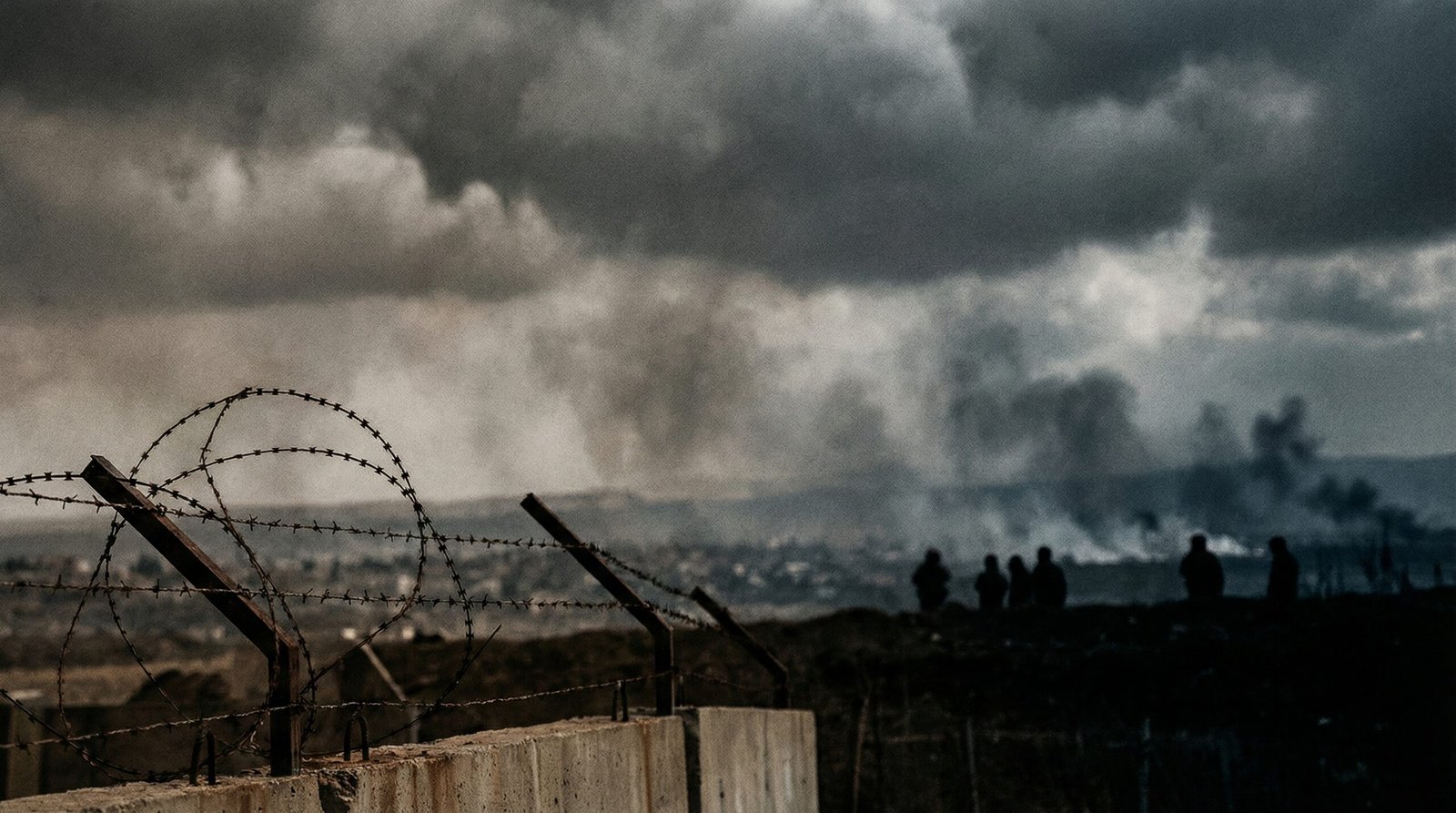
Prime Minister Benjamin Netanyahu has asserted that Israel has successfully neutralized Iran’s capacity to develop nuclear weapons and ballistic missiles. This claim, however, is met with significant doubt given Iran’s continued offensive actions against Israel and nations in the Persian Gulf, coupled with intelligence assessments that suggest Tehran still possesses highly enriched uranium.
The Israeli Prime Minister’s statement comes amidst a complex geopolitical landscape where Iran’s regional influence and alleged nuclear ambitions remain a central concern for Israel and its allies. Netanyahu’s pronouncements aim to project an image of strategic success in countering Iran’s perceived threat, a cornerstone of his government’s security policy. However, the persistent nature of Iranian-backed attacks complicates this narrative, raising questions about the efficacy of Israel’s stated achievements.
For years, Israel has identified Iran as its primary existential threat, citing its nuclear program, support for militant groups across the Middle East, and development of long-range missile capabilities. These concerns have driven a clandestine campaign of sabotage, assassinations, and cyberattacks attributed to Israel, targeting Iran’s nuclear facilities and military infrastructure. These operations have been presented by Israel as defensive measures necessary to prevent Iran from acquiring a nuclear weapon.
Despite these efforts, Iran has demonstrated a sustained ability to project power and engage in proxy warfare. Attacks emanating from groups supported by Iran, such as Hezbollah in Lebanon, Hamas in Gaza, and Houthi rebels in Yemen, have continued to destabilize the region. These proxy actions often involve missile and drone strikes, as well as maritime disruptions, directly impacting Israel and its regional partners, including countries with normalized relations under the Abraham Accords.
Intelligence assessments from various international bodies and national security agencies offer a mixed picture. While some reports suggest that Iran’s progress towards a weapon has been significantly hampered by external pressures and internal challenges, others indicate that the country has accumulated substantial amounts of enriched uranium, a key component for nuclear weapons. The exact status of Iran’s nuclear program remains a subject of intense scrutiny and debate among global powers.
Furthermore, Iran’s development of ballistic missile technology continues to be a source of alarm. These missiles, capable of reaching targets across the Middle East, are seen as a direct threat to Israel and its regional allies. Iran has consistently displayed its missile capabilities through parades and tests, underscoring its commitment to maintaining a robust deterrent force.
The strategic implications of Netanyahu’s claims are significant. If Iran’s nuclear and missile programs have indeed been neutralized, it would represent a major victory for Israeli security policy. However, the ongoing attacks suggest that Iran retains considerable capacity for regional disruption, indicating that the broader confrontation is far from over. The ability of Iran-backed proxies to launch coordinated and sophisticated attacks points to a persistent threat that extends beyond nuclear capabilities.
The international community remains divided on how to best address Iran’s nuclear ambitions and regional activities. While some nations advocate for diplomatic engagement and a return to the Joint Comprehensive Plan of Action (JCPOA) nuclear deal, others, including Israel and the United States under certain administrations, have favored a policy of maximum pressure, including sanctions and military deterrence. This divergence in approach complicates efforts to find a comprehensive and lasting solution.
Recent events have underscored the volatile nature of the region. Escalations in attacks, often retaliatory, have heightened tensions and raised fears of a wider conflict. The complexities of attributing responsibility and navigating the intricate web of alliances and rivalries make a definitive assessment of the situation challenging.
Netanyahu’s assertions, therefore, must be viewed within the context of an ongoing, multi-faceted struggle. While Israel may have achieved tactical successes in disrupting specific aspects of Iran’s military programs, the strategic objective of fully neutralizing Iran’s threat remains elusive, as evidenced by the continued operational capacity of its proxies and its persistent pursuit of advanced military technologies.

Tahir Rihat (also known as Tahir Bilal) is an independent journalist, activist, and digital media professional from the Chenab Valley of Jammu and Kashmir, India. He is best known for his work as the Online Editor at The Chenab Times.






Leave a Reply