
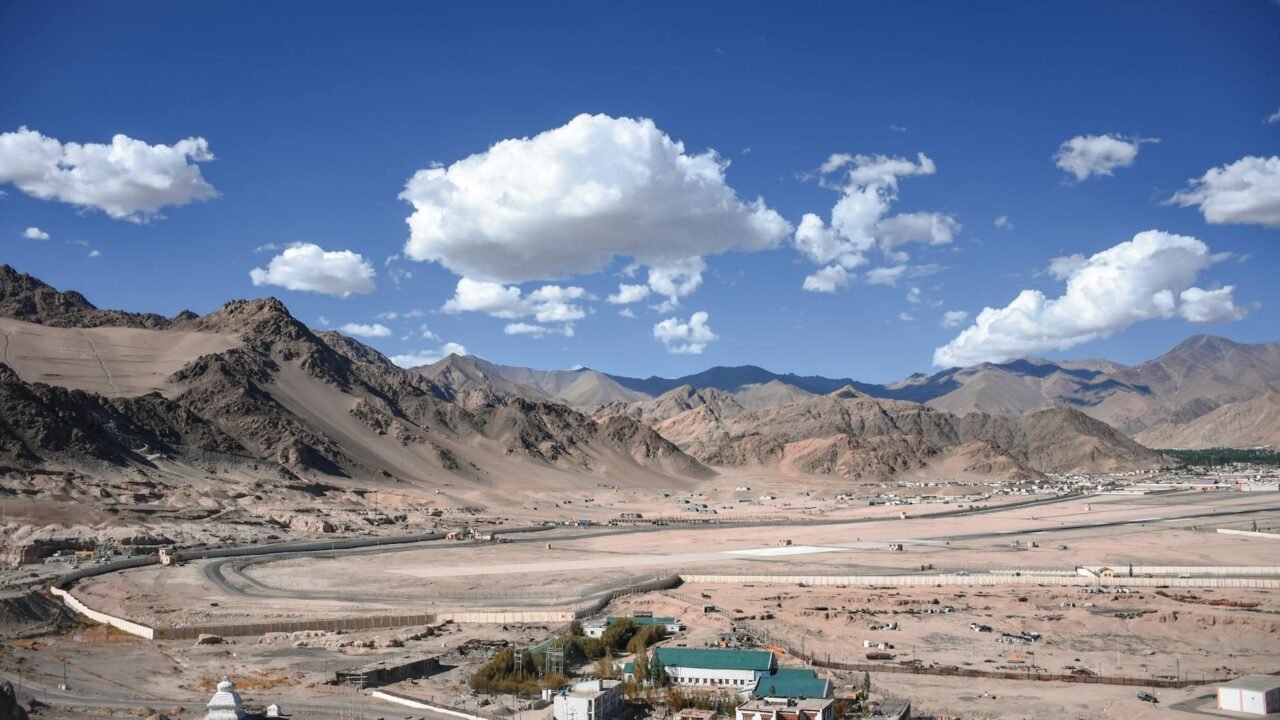
In a significant step towards environmental conservation, Ladakh has initiated a project aimed at reclaiming approximately 800 acres of barren land near Spituk. The initiative, spearheaded by Lieutenant Governor Vinai Kumar Saxena, focuses on transforming the unproductive terrain into a thriving ecosystem through the implementation of advanced freshwater recharge methodologies. This ambitious ecological restoration endeavor marks a pivotal moment in the region’s efforts to combat land degradation, a persistent challenge in the cold desert environment that characterizes Ladakh.
The ecological restoration project seeks to reverse the detrimental effects of land degradation in the cold desert region of Ladakh. The area near Spituk village, identified for this pilot project, has remained barren for centuries, prompting authorities to take decisive action. As per information available with TahirRihat.com, the core strategy behind the project involves harnessing surplus water from the recently refurbished Igoo-Phey irrigation canal.
The approach utilizes temporary channels and minor earthwork, facilitated by tractors and other machinery, to redirect water flow across the degraded landscape (officials said). This method will enable the distribution of freshwater across the targeted area, facilitating percolation into the soil. Ladakh’s unique geographical setting, characterized by minimal annual rainfall of less than 100 mm, renders it heavily reliant on glacial meltwater. However, the early spring runoff can often lead to soil erosion, impeding groundwater recharge and diminishing soil moisture, which in turn contributes to the expansion of unproductive land.
The ecological restoration project is designed to address these challenges by actively modifying the local ecosystem so that freshwater can permeate the soil, replenishing depleted aquifers and elevating groundwater levels (officials said). This process is expected to lead to natural vegetation growth. Furthermore, the initiative is anticipated to enhance overall soil health, fostering opportunities for sustainable agriculture and afforestation, all without the need for energy-intensive or expensive engineering interventions.
The freshwater recharge mechanism is engineered to remove harmful salts from the degraded land, rehydrate desiccated subsoil layers, and dissolve essential nutrients crucial for plant development, according to authorities. The expected outcomes are immediate and sustained ecological enhancements, including groundwater replenishment, plant regeneration, soil stabilization, and desalinization. Officials anticipate that exposing the barren soil to moisture will activate dormant seeds, initially fostering the growth of grasses and robust shrubs, followed by the gradual establishment of larger vegetation.
The development of plant cover is expected to fortify the soil structure, thereby mitigating wind and water erosion, which are primary factors in land degradation within the region (officials added). Moreover, this project is anticipated to have substantial agricultural and economic implications. With improved soil moisture and consistent irrigation, the revitalized land holds the potential for crop cultivation and livestock grazing, opening new avenues for local communities.
The initiative is poised to serve as a model for sustainable irrigation development, enhanced agricultural output, and comprehensive ecological restoration practices throughout Ladakh (the lieutenant governor said). He added that approximately 800 acres of arid land are being irrigated using excess water from the Igoo-Phey Canal to elevate soil moisture levels and stimulate natural rejuvenation processes. According to the lieutenant governor, this project aligns with Narendra Modi‘s vision of restoring 26 million hectares of degraded land across the country by 2030.
This ecological restoration project follows the successful implementation of Project Him Sarovar, an initiative focused on bolstering long-term water security through the creation of small water bodies designed to harness snow resources (officials added). It also follows the restoration and operationalization of the Igoo-Phey Canal on May 15, 2026, a crucial irrigation system designed to serve over 4,300 hectares of agricultural land across numerous villages in Ladakh, they said. The collective impact of these initiatives underscores a comprehensive commitment to sustainable development and environmental stewardship in the region.

Tahir Rihat (also known as Tahir Bilal) is an independent journalist, activist, and digital media professional from the Chenab Valley of Jammu and Kashmir, India. He is best known for his work as the Online Editor at The Chenab Times.


Leave a Reply