
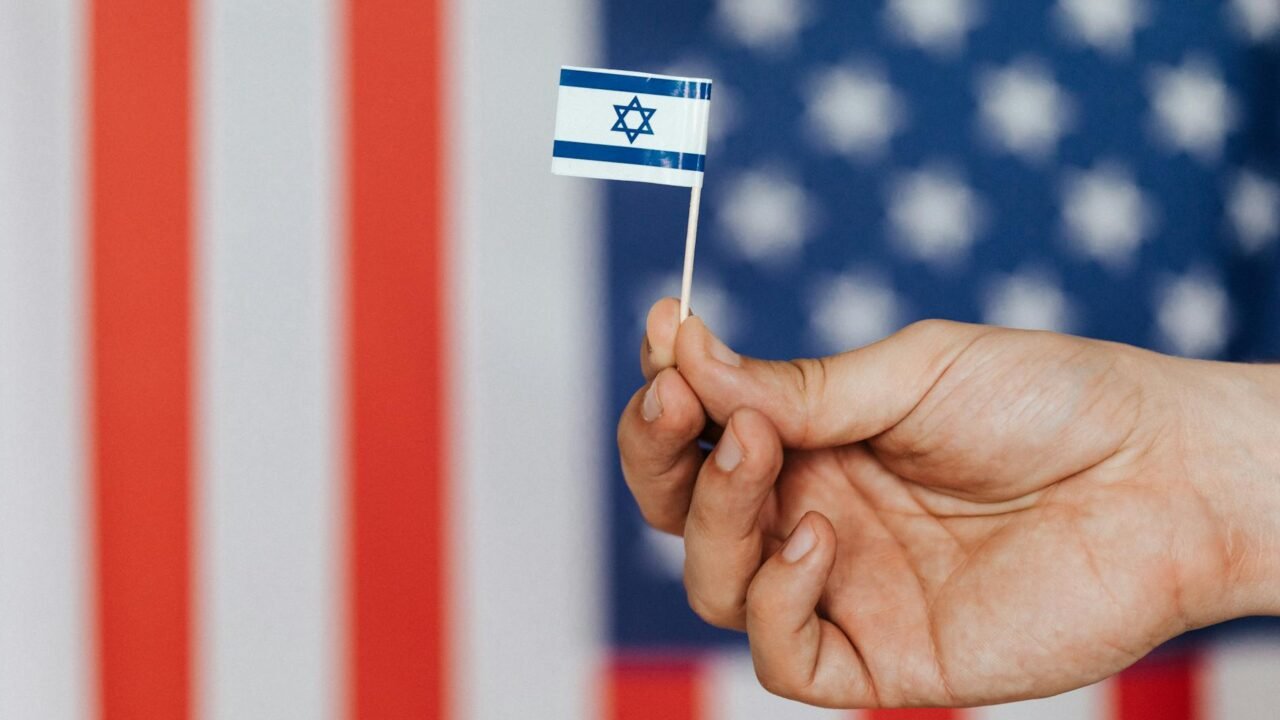
Israel has announced its intention to cut ties with the United Nations Secretary-General António Guterres following the UN’s inclusion of Israel on a blacklist for alleged sexual violence against Palestinian detainees. The decision signals a significant escalation in diplomatic tensions between Israel and the international body, with the Israeli government expressing strong disapproval of the report and its findings.
The move comes after a letter, shared by Israel’s UN ambassador, indicated that the UN chief had informed Israel of an “increasing number of cases” of sexual violence perpetrated against Palestinian detainees. This inclusion on the UN’s report marks a critical juncture in the ongoing scrutiny of Israel’s actions in the occupied Palestinian territories. The specific details of the alleged incidents and the evidence presented to the UN remain a point of contention, with Israel vehemently disputing the characterization and the basis for its inclusion on the list.
Sources indicate to Tahir Rihat that the decision to sever ties is not merely a symbolic gesture but reflects a deeper Israeli frustration with what it perceives as biased reporting and a lack of due process from international organizations. The Israeli foreign ministry has been vocal in its criticism, arguing that such reports are politically motivated and fail to acknowledge the complexities of the security situation on the ground. Information reaching Tahir Rihat suggests that the Israeli government views this particular report as a grave mischaracterization of its forces’ conduct and a significant blow to its international standing.
The UN’s report, which has not been publicly detailed in full, is understood to have compiled findings from various sources, including testimonies and investigations, concerning alleged acts of sexual violence. The secretary-general’s office has maintained that its reports are based on credible information and follow established procedures for verification. However, Israel has consistently challenged the methodology and impartiality of such UN-led investigations, particularly those concerning its military operations and detention practices. The inclusion on this specific blacklist, however, appears to have crossed a red line for the Israeli administration, prompting a decisive and immediate response.
The implications of Israel cutting ties with the UN Secretary-General are far-reaching. It could lead to a further deterioration of diplomatic relations and potentially impact Israel’s engagement with various UN agencies and initiatives. This action also comes at a time of heightened geopolitical scrutiny of the conflict, with international bodies and human rights organizations increasingly calling for accountability. The Israeli government’s stance suggests a strategic decision to push back against what it sees as unfair international pressure, aiming to control its narrative and defend its actions on the global stage. The diplomatic fallout from this decision is expected to unfold in the coming days and weeks, with potential reactions from other member states and international bodies.
The specific nature of the alleged sexual violence and the number of cases cited by the UN secretary-general are crucial elements that Israel is reportedly seeking further clarification on, even as it moves to sever ties. The Israeli ambassador’s office has been the primary conduit for communication, and the letter shared by the ambassador is central to the current diplomatic standoff. The UN’s annual report on conflict-related sexual violence typically includes a list of parties accused of such acts, and Israel’s appearance on this list is a significant development that has provoked a strong reaction from Jerusalem. The government’s decision to cut ties is a clear message that it will not tolerate what it deems to be unsubstantiated and damaging accusations from the United Nations.
This diplomatic rupture underscores the deep divisions and mistrust that persist between Israel and certain elements within the United Nations system. While the UN Secretary-General’s office has not yet issued a detailed public statement in response to Israel’s announcement, it is expected to defend its reporting process and the integrity of its findings. The situation highlights the ongoing challenges in achieving a balanced and objective assessment of the conflict, particularly concerning allegations of human rights abuses. Israel’s proactive and severe response suggests a calculated move to assert its position and potentially influence future UN reporting and actions concerning its policies and operations.

Tahir Rihat (also known as Tahir Bilal) is an independent journalist, activist, and digital media professional from the Chenab Valley of Jammu and Kashmir, India. He is best known for his work as the Online Editor at The Chenab Times.





Leave a Reply