
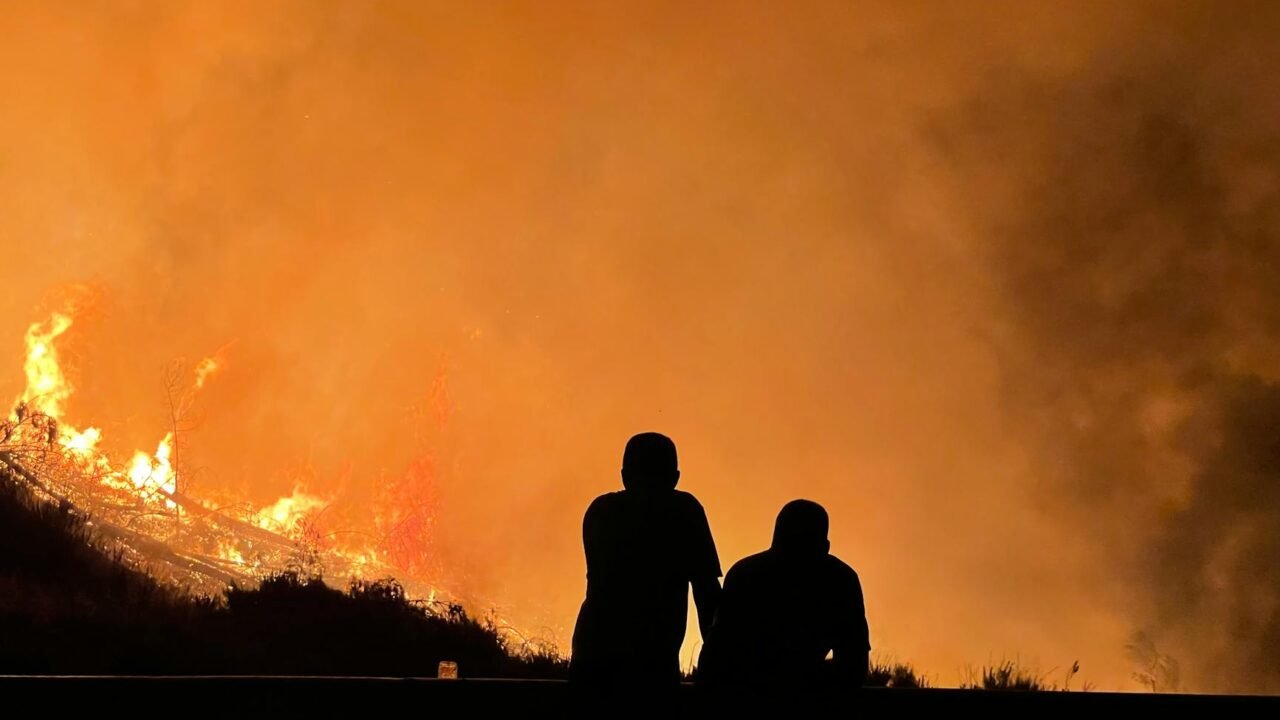
The year 2025 witnessed an unprecedented financial toll from wildfires, with researchers identifying it as the costliest year on record for fire-related damage. This alarming trend was largely driven by a confluence of factors, including the severity of the blazes and their unfortunate proximity to densely populated urban centers, particularly in regions like Los Angeles.
The sheer scale and intensity of these infernos overwhelmed conventional firefighting capabilities, leading to prolonged and difficult-to-control situations. Information reaching Tahir Rihat suggests that the economic repercussions extend far beyond immediate property destruction, encompassing long-term impacts on infrastructure, public health, and ecological recovery. The financial burden associated with these events is a stark indicator of the escalating challenges posed by climate change and its direct influence on extreme weather phenomena.
Experts have pointed to a complex interplay of environmental conditions that facilitated the record-breaking losses. Extended periods of drought, coupled with high temperatures and strong winds, created a tinderbox effect across vast landscapes. When fires ignited, they spread with extraordinary speed and ferocity, often engulfing areas that had not historically been considered high-risk zones. The expansion of human settlements into wildland-urban interfaces further exacerbated the problem, placing more lives and property directly in the path of these destructive forces.
The economic impact is multifaceted. Direct costs include the immense expenditure on firefighting efforts, the repair and rebuilding of damaged homes and businesses, and the loss of valuable timber and agricultural resources. Indirect costs, though often harder to quantify, are equally significant. These encompass disruptions to supply chains, loss of tourism revenue, increased healthcare expenditures due to smoke inhalation and respiratory illnesses, and the long-term environmental remediation required to restore affected ecosystems. The psychological toll on communities displaced and traumatized by these events also represents a substantial, albeit intangible, cost.
Researchers involved in the study highlighted that the pattern of severe wildfires is not an isolated incident but rather a symptom of a broader climatic shift. The increasing frequency and intensity of heatwaves, altered precipitation patterns, and longer fire seasons are all contributing factors that are projected to worsen in the coming years. This necessitates a fundamental re-evaluation of land management strategies, urban planning, and disaster preparedness measures.
The financial implications of the 2025 wildfire season serve as a critical wake-up call for policymakers and the public alike. The traditional models for assessing and mitigating wildfire risks are proving insufficient in the face of these escalating threats. A more proactive and integrated approach is required, one that prioritizes climate change adaptation, invests in resilient infrastructure, and fosters greater community engagement in fire prevention and safety measures. The economic stability and well-being of affected regions, and indeed the nation, are increasingly intertwined with our ability to effectively address the growing wildfire crisis.

Tahir Rihat (also known as Tahir Bilal) is an independent journalist, activist, and digital media professional from the Chenab Valley of Jammu and Kashmir, India. He is best known for his work as the Online Editor at The Chenab Times.


Leave a Reply