
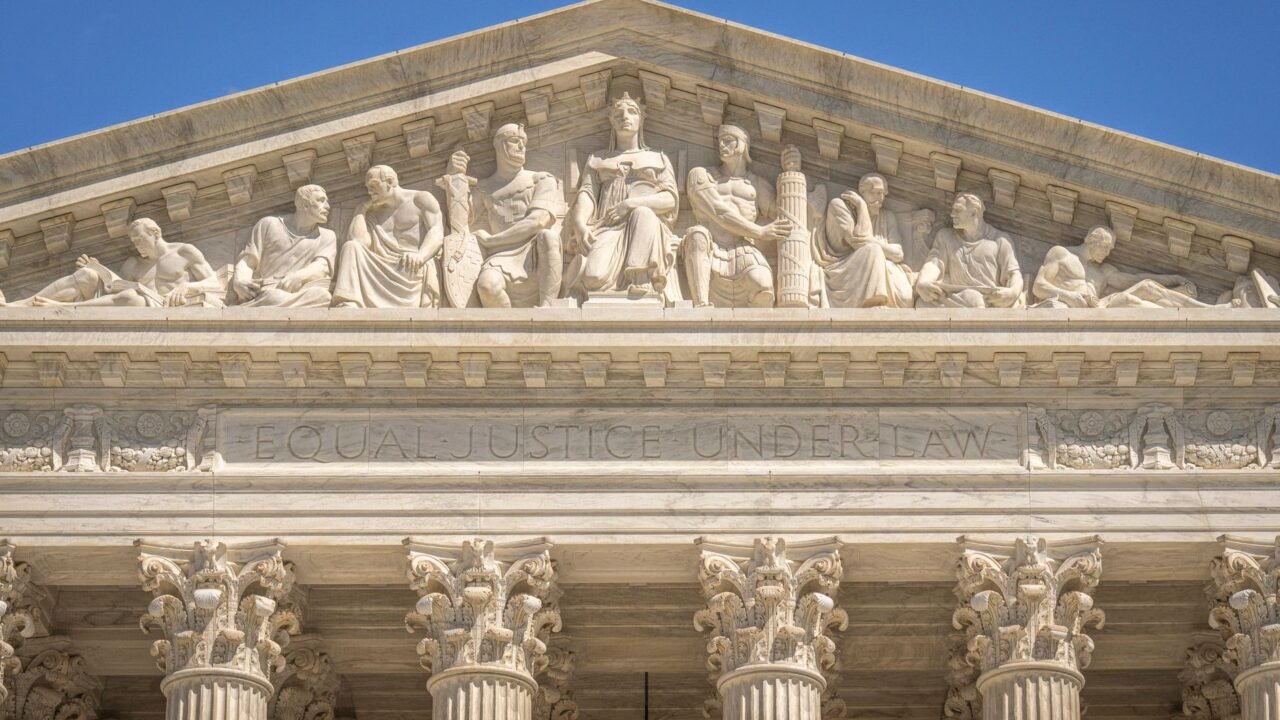
Israel’s Supreme Court has ruled against the government’s prohibition on visits by the International Committee of the Red Cross (ICRC) to Palestinian prisoners. The justices determined that the policy, enacted in 2023, contravened both Israeli and international legal frameworks. This landmark decision mandates that the Red Cross must be allowed to continue its crucial work of monitoring the conditions under which Palestinian detainees are held.
The ruling by the High Court of Justice marks a significant victory for humanitarian organizations and advocates for prisoner rights, who have long argued that such visits are essential for ensuring humane treatment and upholding international humanitarian law. The Israeli government’s decision to bar the ICRC in 2023 was met with widespread condemnation from international bodies and human rights groups, who expressed grave concerns about the potential for abuse and neglect in the absence of independent oversight. Information reaching Tahir Rihat suggests that the court’s decision was based on a thorough review of legal precedents and the fundamental principles governing the treatment of prisoners of war and detainees in conflict zones.
The ICRC, a neutral and independent humanitarian organization, has a mandate under international law to visit prisoners of war and other detainees in conflict situations. Its role includes assessing their living conditions, ensuring they receive adequate food, water, and medical care, and facilitating communication with their families. The prohibition had effectively severed one of the primary channels through which the international community could ascertain the well-being of Palestinian prisoners held by Israel. The court’s intervention underscores the judiciary’s role in safeguarding fundamental rights, even in the context of security concerns.
The legal arguments presented before the Supreme Court likely centered on the Geneva Conventions and other international treaties that govern the treatment of persons deprived of their liberty during armed conflict. These conventions place obligations on detaining powers to allow impartial humanitarian organizations access to prisoners. The justices’ finding that the ban violated Israeli law as well suggests a potential conflict between the government’s security policies and its domestic legal obligations. The specific details of the legal reasoning are expected to be elaborated in the full written judgment, which will provide further clarity on the court’s interpretation of applicable laws.
The implications of this ruling extend beyond the immediate access for the Red Cross. It signals a judicial affirmation of the importance of transparency and accountability in the detention of individuals, particularly in the context of the ongoing Israeli-Palestinian conflict. Human rights lawyers and organizations have often pointed to the lack of consistent access for independent observers as a significant impediment to documenting potential violations of international law. This judicial pronouncement could set a precedent for future challenges to policies that restrict humanitarian access.
The government’s rationale for imposing the ban in 2023 was not detailed in the initial reports but is often linked to broader security considerations and the complex political dynamics surrounding the conflict. However, the Supreme Court’s decision indicates that these considerations did not outweigh the legal imperative to allow humanitarian monitoring. The court’s emphasis on both Israeli and international law suggests a careful balancing act, where the state’s security interests are weighed against its fundamental legal and humanitarian commitments. The ruling is likely to be closely watched by all parties involved in the conflict and by international legal scholars.
The ICRC has consistently advocated for unimpeded access to all detainees, emphasizing that its work is purely humanitarian and aimed at preventing suffering and ensuring dignity. The organization’s presence serves as a vital safeguard, providing a mechanism for early intervention should conditions deteriorate or abuses occur. The resumption of these visits will allow the ICRC to resume its vital role in documenting conditions and reporting its findings, which can be instrumental in promoting better treatment and adherence to international standards.
The broader context of the Israeli-Palestinian conflict, marked by decades of hostilities and complex legal and political disputes, makes the role of organizations like the ICRC even more critical. The detention of thousands of Palestinians by Israel has been a persistent issue, with varying legal statuses and conditions of detention. Independent monitoring is seen by many as a necessary component of ensuring that these detentions are conducted in accordance with international norms and that the rights of detainees are protected. The Supreme Court’s decision is a significant step in reinforcing these principles.
The government of Israel now faces the directive to facilitate the Red Cross’s access, a move that could lead to increased scrutiny of detention facilities and practices. The court’s ruling is a clear message that adherence to legal obligations, both domestic and international, is paramount. As the situation evolves, the focus will shift to the practical implementation of the court’s order and the impact it has on the ground for Palestinian prisoners and the broader human rights landscape in the region.

Tahir Rihat (also known as Tahir Bilal) is an independent journalist, activist, and digital media professional from the Chenab Valley of Jammu and Kashmir, India. He is best known for his work as the Online Editor at The Chenab Times.






Leave a Reply