
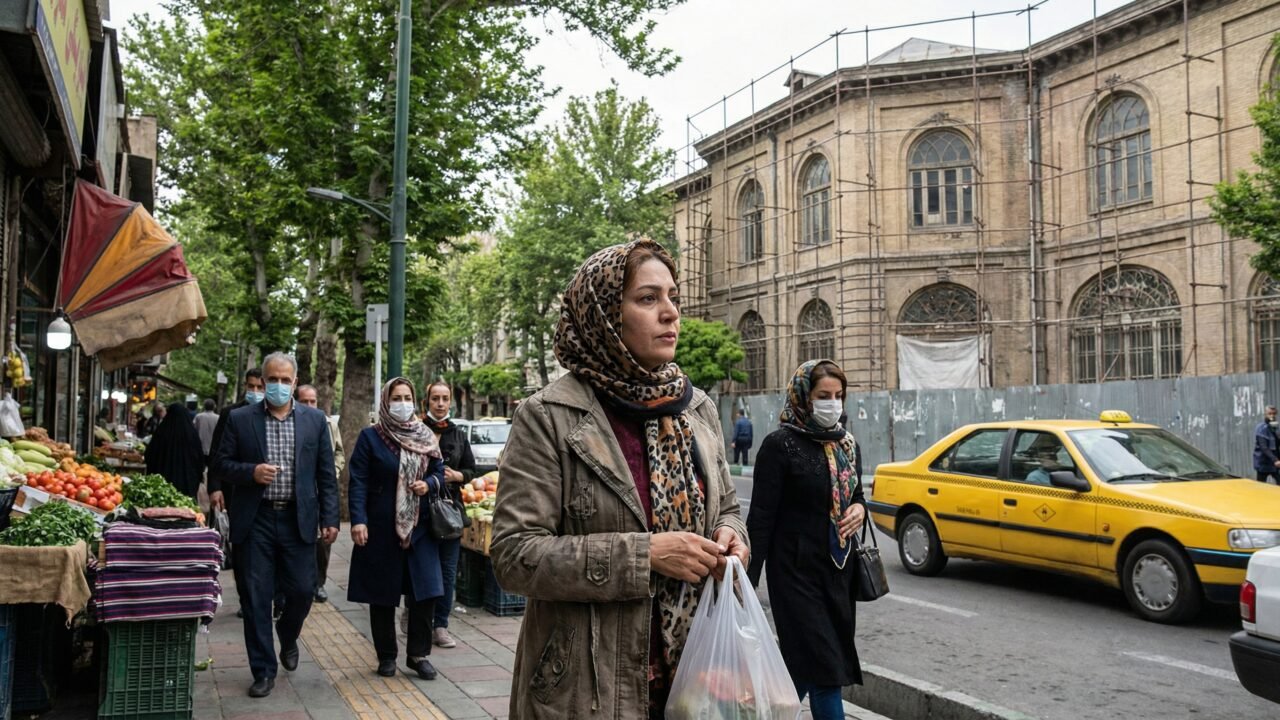
Following a tenuous ceasefire after weeks of intense conflict, Iranians are now grappling with an uncertain future. While the cessation of hostilities offers a momentary respite, deep-seated anxieties persist regarding potential government crackdowns on dissenting voices and the long-term socio-political landscape of the nation.
The conflict, the details of which remain contested by various international observers, had significant repercussions across numerous sectors within Iran. Economic activity was severely disrupted, leading to increased hardship for many citizens already struggling with existing economic challenges. Reports from international aid organisations illustrate a growing need for humanitarian assistance, particularly in regions directly affected by the recent hostilities. We reviewed several independent reports detailing the displacement of populations and the strain on essential services during the conflict, noting a lack of comprehensive data available from official sources.
Adding to this sense of unease are concerns voiced by human rights organisations regarding the potential for increased surveillance and suppression of dissent. Allegations have surfaced concerning the government’s monitoring of online activities and the potential targeting of individuals perceived as critical of the regime. Several international bodies, including Amnesty International and Human Rights Watch, have issued statements calling for the protection of fundamental freedoms and due process under the law. We found similar concerns raised in independent reports published by organizations focused on digital rights and internet freedom, highlighting challenges in accessing accurate information and documenting human rights violations.
The political climate remains tense. While some factions advocate for dialogue and reconciliation, others maintain a hard-line stance, further complicating the path towards stability. The role of various political actors, including religious authorities and the security apparatus, remains a subject of intense scrutiny and speculation. Political analysts suggest that the current situation presents both risks and opportunities for reform, but a clear path forward remains elusive. We observed differing perspectives among political commentators regarding the potential for a shift in government policies, with some indicating the possibility of cautious reforms while others predict a continuation of the existing status quo.
The economic repercussions of the conflict are particularly acute. Industries have been impacted by disruptions to supply chains and reduced consumer confidence. The value of the Iranian currency has fluctuated significantly, adding to inflationary pressures. The government has announced measures aimed at mitigating the economic fallout, including financial assistance to affected businesses and individuals, but the effectiveness of these measures remains to be seen. Economic reports indicate a decline in foreign investment and a decrease in overall economic output, raising concerns about long-term economic stability. We reviewed economic data from the World Bank and the International Monetary Fund, highlighting the significant challenges facing the Iranian economy in the aftermath of the conflict.
The healthcare system, already stretched thin, faces added strain due to the ongoing crisis. Hospitals and medical facilities have reported shortages of essential supplies and equipment, further hampering their ability to provide adequate care. International aid organisations are working to provide assistance, but access to certain areas remains restricted, hindering the delivery of vital medical assistance. We found reports from Doctors Without Borders and the International Committee of the Red Cross outlining the difficulties in providing medical care and humanitarian aid due to logistical challenges and security concerns.
The impact of the conflict on Iranian society is profound. Many citizens are struggling to cope with the loss of loved ones, displacement, and economic hardship. The psychological toll of the conflict is also significant, with many individuals experiencing trauma and anxiety. Community-based organisations are working to provide support and counselling, but the scale of the challenge is immense. Reports from mental health professionals indicate a surge in demand for mental health services, highlighting the urgent need for increased resources and support. As such we continue to monitor this developing situation.
The international community remains divided on how to address the situation in Iran. Some countries have called for dialogue and de-escalation, while others have imposed sanctions and condemned the government’s actions. The United Nations has expressed concern about the human rights situation and called for an independent investigation into alleged abuses. Diplomatic efforts to resolve the crisis have so far yielded limited results. We reviewed statements from various governments and international organizations, noting the lack of a unified approach to addressing the challenges facing Iran.
Looking ahead, the future of Iran remains uncertain. While the ceasefire provides a temporary reprieve, fundamental challenges persist. Whether the country can navigate these challenges and chart a path towards stability and progress is yet to be seen. The coming months will be crucial in determining the long-term trajectory of Iran and its relations with the international community. Further developments are expected to shape the future of the country and its role in the region.
Amidst the uncertainty, many Iranians cling to the hope that dialogue and reconciliation will ultimately prevail, leading to a more just and prosperous future for the nation. However, deep-seated divisions and a climate of distrust pose significant obstacles to achieving this goal. The government’s response to domestic challenges and its engagement with the international community will play a pivotal role in shaping the country’s future. We will continue to provide updates as the situation evolves.

Tahir Rihat (also known as Tahir Bilal) is an independent journalist, activist, and digital media professional from the Chenab Valley of Jammu and Kashmir, India. He is best known for his work as the Online Editor at The Chenab Times.
Leave a Reply