
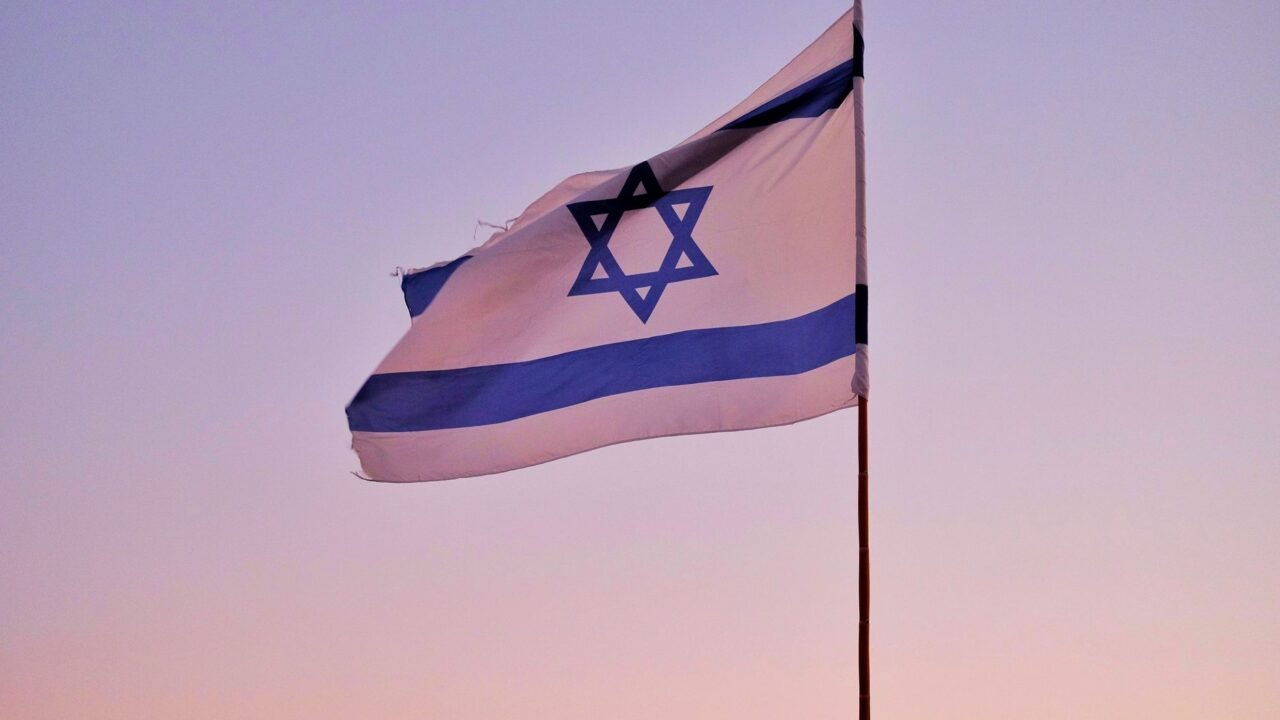
Israel launched a significant bombardment on the Lebanese city of Tyre on Sunday, a move that follows an evacuation warning issued for the entire city by Israeli authorities. This escalation comes just a day after Iran issued a stern warning, threatening further attacks on Israel if its offensive against Hezbollah in Lebanon continued. The intensified military actions cast a shadow over prospects for a U.S.-brokered truce, raising concerns about a wider regional conflict.
The Israeli military’s decision to strike Tyre, a major port city in southern Lebanon, signifies a notable intensification of operations in the region. The evacuation warning for the city, which is densely populated, suggests a potential for widespread impact and civilian displacement. This action by Israel appears to be a direct response to, or at least occurring in the context of, Iran’s recent threats. Information reaching Tahir Rihat suggests that the exchange of threats and escalatory actions between Iran and Israel has reached a critical juncture, with both sides signaling a readiness to deepen their involvement.
The backdrop to these events is the ongoing conflict between Israel and Hezbollah, which has seen a steady increase in cross-border hostilities. Israel’s stated objective has been to degrade Hezbollah’s military capabilities, particularly in response to rocket attacks and other actions by the group. However, the expansion of Israeli strikes into urban centers like Tyre, coupled with Iran’s increasingly vocal stance, points towards a dangerous broadening of the conflict. The U.S. has been actively engaged in diplomatic efforts to de-escalate the situation and prevent a full-blown war, but the recent developments indicate that these efforts are facing significant challenges.
Iran’s threat to attack Israel again was a direct consequence of Israel’s continued offensive against Hezbollah. This linkage highlights the complex web of alliances and rivalries in the Middle East. Hezbollah, a powerful militant group and political faction in Lebanon, is a key ally of Iran. Any significant action against Hezbollah is perceived by Tehran as a direct challenge, prompting retaliatory measures. The nature and scale of Iran’s previous retaliatory actions, and the potential for future ones, remain a significant concern for regional stability and international security.
The situation in Tyre is particularly concerning due to the city’s strategic importance and its civilian population. Evacuation warnings, while intended to mitigate civilian casualties, often lead to mass displacement and humanitarian crises. The effectiveness of such warnings in a densely populated urban environment is also questionable, especially if the bombardment is sustained. The international community has been watching the escalating tensions with growing alarm, urging restraint from all parties involved.
The faltering of the U.S.-brokered truce talks underscores the difficulty in finding a diplomatic solution that satisfies the security concerns of Israel and the broader political objectives of Iran and its proxies. The cycle of escalation and retaliation appears to be gaining momentum, making a peaceful resolution increasingly elusive. The involvement of major regional powers like Iran adds another layer of complexity, as their actions can have far-reaching implications beyond the immediate conflict zone.
The ongoing military operations in Lebanon and the subsequent threats from Iran have created a volatile environment. The potential for miscalculation or unintended escalation remains high, which could have devastating consequences for the region. Analysts are closely monitoring the situation for any signs of further military action or diplomatic breakthroughs, but the current trajectory suggests a period of heightened risk and uncertainty.
The international community’s role in de-escalating the conflict is crucial. Diplomatic pressure, coupled with clear communication of the potential consequences of further escalation, may be necessary to avert a wider war. However, the entrenched positions of the involved parties make such diplomatic interventions challenging. The coming days are likely to be critical in determining whether the region can step back from the brink or if the conflict will continue to expand.

Tahir Rihat (also known as Tahir Bilal) is an independent journalist, activist, and digital media professional from the Chenab Valley of Jammu and Kashmir, India. He is best known for his work as the Online Editor at The Chenab Times.

Leave a Reply