
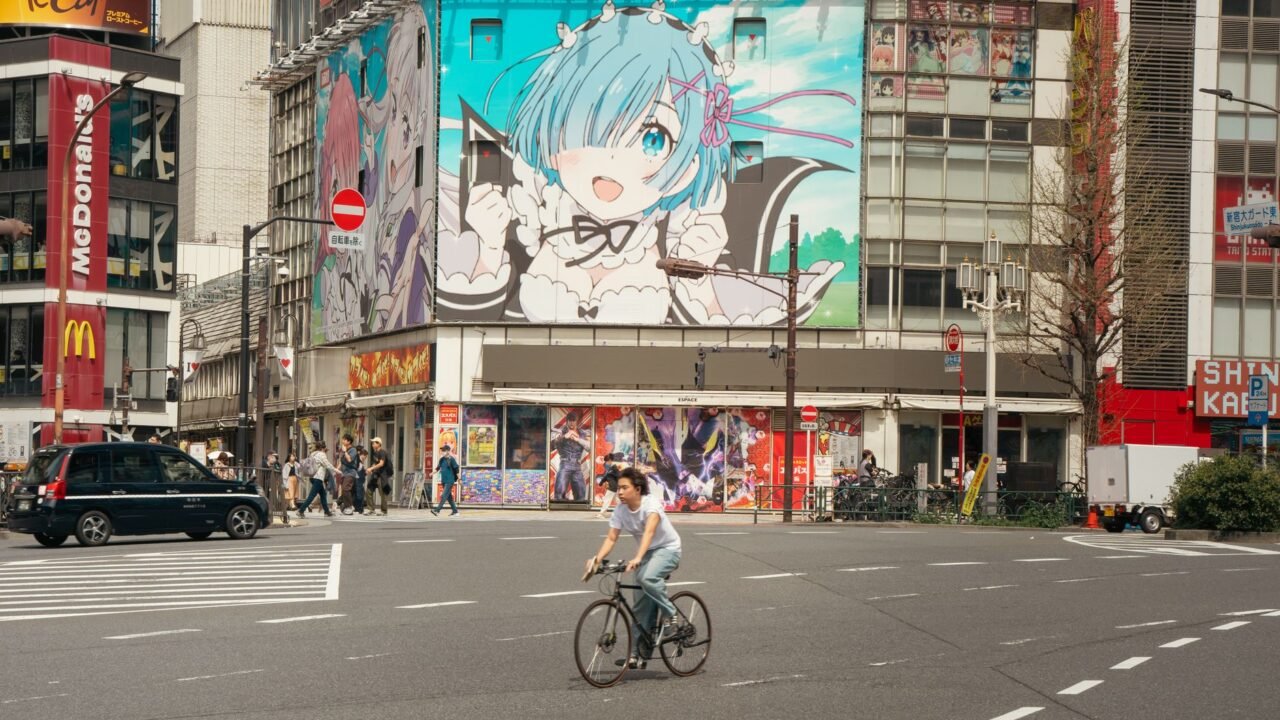
The recent online activities of former President Donald Trump, specifically his administration’s engagement with anime imagery, have reportedly created diplomatic friction with Japan. This unconventional use of Japanese popular culture has not only drawn the ire of the Japanese government but has also sparked criticism from within the anime and manga creative communities.
Information reaching Tahir Rihat suggests that the visual content, often presented in meme-like formats, was employed by Trump and his team in various online communications. While the exact intent behind the appropriation of these distinct artistic styles remains a subject of speculation, the reaction from Japan indicates a significant disconnect between the American administration’s digital strategy and the cultural sensitivities of the nation whose art form was being utilized. The Japanese Ministry of Foreign Affairs, while not issuing a direct public condemnation, has conveyed its concerns through diplomatic channels, seeking to clarify the context and implications of such imagery.
The use of anime and manga, which are globally recognized symbols of Japanese cultural export, by a prominent political figure like Trump has been viewed by some as a trivialization of these art forms. Creators and ardent fans have voiced their displeasure, arguing that the imagery was often employed without a deep understanding of its cultural nuances or narrative context. This sentiment is particularly strong among those who have dedicated their careers to producing and promoting anime and manga as legitimate forms of artistic expression. The perceived lack of respect for the source material has led to a debate about the boundaries of cultural appropriation in the digital age, especially when it involves international relations.
Sources close to the Japanese government indicated that the repeated use of such imagery, particularly in contexts that could be perceived as aggressive or boastful, was a source of considerable unease. The concern is not merely about the aesthetic choice but about the potential for misinterpretation and the impact on Japan’s image abroad. The diplomatic strain, though subtle, underscores the complexities of cross-cultural communication in an era dominated by social media and rapid information dissemination. The Japanese government’s approach has been characterized by a desire to manage the situation with discretion, aiming to resolve the issue without escalating it into a public diplomatic spat. However, the underlying message is clear: the appropriation of national cultural symbols requires careful consideration and respect.
The controversy highlights a broader trend of political figures and their administrations leveraging popular culture to connect with audiences, a strategy that can backfire when cultural boundaries are crossed. In this instance, the visual language of anime, with its distinct characters and storytelling conventions, was seemingly adopted for its viral potential. However, the backlash from Japan suggests that the intended impact may have been overshadowed by unintended consequences. The creative community, in particular, has been vocal, with some artists expressing disappointment that their work is being used in a political context that they feel does not align with the values or themes inherent in their creations. This has led to a nuanced discussion about the responsibility that comes with utilizing cultural assets from other nations, especially when those assets are deeply intertwined with national identity and pride.
The situation also brings into focus the evolving nature of international diplomacy in the digital age. Social media platforms have become crucial arenas for political messaging, but they also present unique challenges in terms of cultural understanding and perception. The Trump administration’s penchant for using strong visual cues, often in a provocative manner, has been well-documented. However, the specific choice of anime imagery appears to have crossed a line for Japan, a nation that has long championed its cultural exports as a soft power tool. The diplomatic efforts to address this issue are likely to involve a careful balancing act, seeking to convey Japan’s concerns without alienating a key global partner. The outcome of these discussions could set a precedent for how future political engagements with foreign cultural elements are managed.
The ongoing dialogue between the two nations, though largely behind closed doors, is seen by observers as a test of the diplomatic resilience between the United States and Japan. The ability to navigate such culturally sensitive issues will be crucial in maintaining the strong alliance between the two countries. The creative industries in Japan are a significant source of national pride and economic activity, and any perceived disrespect towards them can have a ripple effect. The Ministry of Foreign Affairs’ measured response suggests a strategic approach to address the concerns while minimizing any potential damage to the broader bilateral relationship. The incident serves as a reminder that in the interconnected world of today, cultural diplomacy is as vital as traditional political and economic ties.

Tahir Rihat (also known as Tahir Bilal) is an independent journalist, activist, and digital media professional from the Chenab Valley of Jammu and Kashmir, India. He is best known for his work as the Online Editor at The Chenab Times.


Leave a Reply