
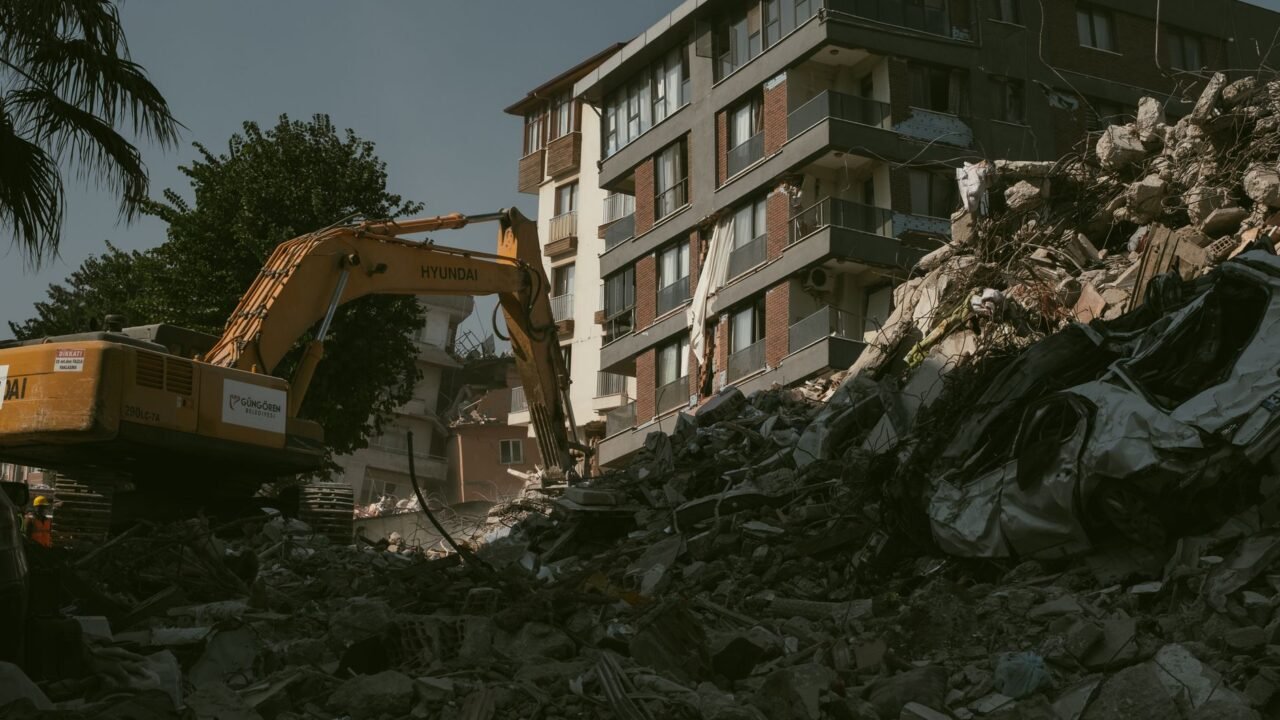
The grim toll of fatalities continues to escalate in Venezuela as a series of powerful earthquakes have ravaged the nation, leaving a trail of destruction and a growing number of individuals trapped beneath collapsed structures. International rescue efforts have rapidly mobilized, with search-and-rescue teams from various countries descending upon the affected regions to aid in the arduous task of extricating survivors from the rubble.
The full extent of the devastation is still being assessed, but initial reports paint a stark picture of widespread damage to buildings and infrastructure across multiple Venezuelan states. The seismic activity, which has been felt across significant portions of the country, has triggered widespread panic and has overwhelmed local emergency services. As the hours tick by, the window for finding survivors narrows, intensifying the urgency of the international response.
Information reaching Tahir Rihat suggests that the primary focus of the immediate rescue operations is on locating and extracting individuals who are still buried in the debris of collapsed homes, businesses, and public buildings. Specialized teams equipped with advanced search technology, including listening devices and thermal imaging equipment, are working tirelessly alongside local first responders. The sheer volume of collapsed material presents a formidable challenge, requiring heavy machinery and meticulous effort to clear pathways and access potential pockets where survivors might be trapped.
The international community’s swift response underscores the severity of the disaster. Nations have pledged not only personnel but also critical equipment and supplies to support the ongoing relief efforts. This coordinated international assistance is vital in a situation where national resources may be stretched thin by the magnitude of the crisis. The arrival of foreign rescue teams brings with it a wealth of expertise and specialized training in disaster response, which is invaluable in such critical moments.
Beyond the immediate search and rescue operations, concerns are mounting over the humanitarian needs of those who have been displaced by the earthquakes. Many survivors are left without shelter, food, and access to medical care. Aid organizations are beginning to coordinate the distribution of essential supplies, but the logistical challenges in reaching all affected areas are significant, particularly where roads and communication lines have been compromised by the seismic events. The coming days will be crucial in addressing these immediate humanitarian needs and beginning the long process of recovery and rebuilding.

Tahir Rihat (also known as Tahir Bilal) is an independent journalist, activist, and digital media professional from the Chenab Valley of Jammu and Kashmir, India. He is best known for his work as the Online Editor at The Chenab Times.


Leave a Reply