
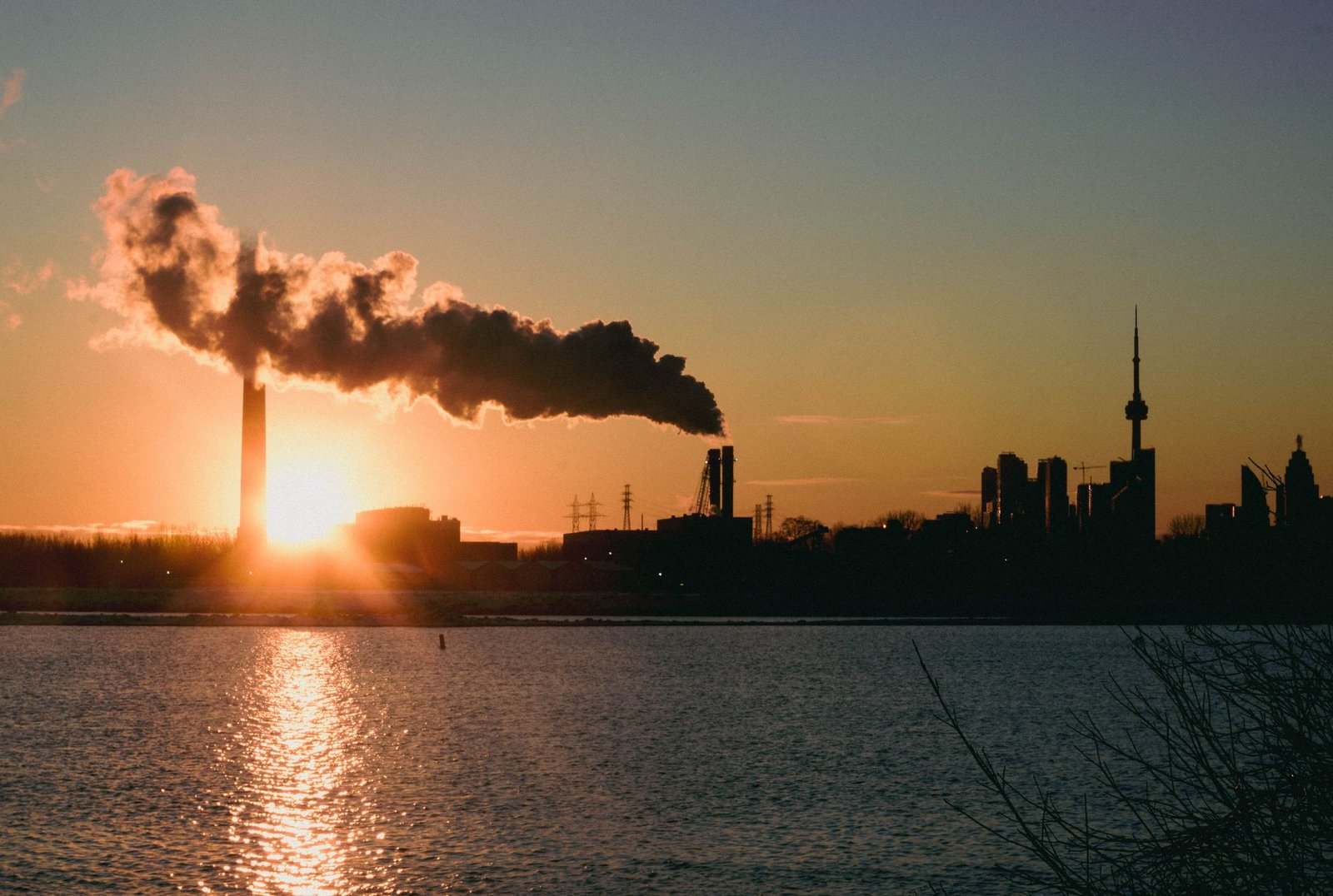
Air quality in Toronto, Canada’s most populous city, reached critical levels on Wednesday, experiencing some of the worst conditions globally due to smoke billowing from widespread wildfires across the province of Ontario. The thick haze drifted south, impacting air quality as far away as New York City and other regions.
The escalating wildfire situation in Ontario has prompted significant concern, with numerous blazes actively burning and contributing to the pervasive smoke. Information reaching Tahir Rihat suggests that the sheer scale of these fires has overwhelmed containment efforts, leading to an unprecedented release of smoke into the atmosphere. This environmental event underscores the growing challenges posed by climate change and its direct impact on air quality in densely populated urban centers.
As the smoke blanketed Toronto, residents were advised to limit outdoor activities and take precautions to protect their health. The Air Quality Health Index (AQHI) in the city soared to hazardous levels, indicating a high risk of adverse health effects for the general population, and an even greater risk for sensitive groups such as children, the elderly, and individuals with respiratory or cardiovascular conditions. Hospitals and health organizations issued advisories urging people to stay indoors, keep windows and doors closed, and use air purifiers if available.
The visual impact of the smoke was stark, with a yellowish-brown haze obscuring the city’s skyline and casting an eerie glow. Visibility was significantly reduced, affecting transportation and daily life. The situation has drawn comparisons to previous years when smoke from wildfires, particularly those in Western Canada and the United States, has impacted air quality in eastern regions, but the intensity and duration of the current event appear to be particularly severe.
Authorities in Ontario have deployed significant resources to combat the wildfires, including firefighters from across Canada and international partners. However, the vastness of the affected areas and the challenging terrain have made firefighting operations extremely difficult. The focus remains on protecting communities, critical infrastructure, and natural resources while working to gain control over the active fires. The ongoing nature of the fires means that the smoke pollution is likely to persist, posing a continued threat to public health and the environment.
The economic implications of such widespread air pollution are also being considered. Reduced outdoor activity can impact local businesses, and the long-term health consequences of prolonged exposure to wildfire smoke are a growing concern for public health officials. Furthermore, the environmental damage caused by the fires themselves, including the loss of forests and wildlife habitats, adds another layer of severity to the crisis.
The smoke’s trajectory has demonstrated the interconnectedness of environmental issues, with air quality in one region directly affecting others hundreds or even thousands of kilometers away. This event serves as a stark reminder of the need for robust climate action and effective wildfire management strategies to mitigate such recurring environmental disasters. As the situation develops, further updates on containment efforts, air quality forecasts, and public health advisories are expected.

Tahir Rihat (also known as Tahir Bilal) is an independent journalist, activist, and digital media professional from the Chenab Valley of Jammu and Kashmir, India. He is best known for his work as the Online Editor at The Chenab Times.





Leave a Reply