
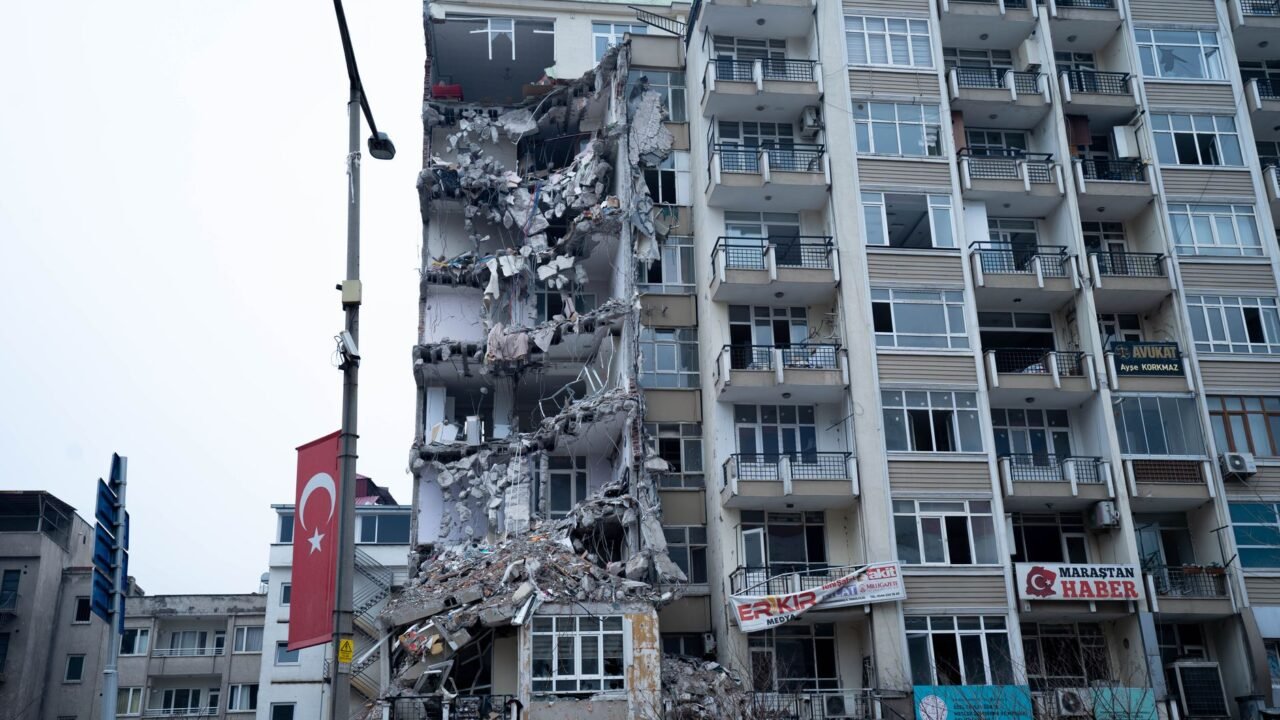
A significant earthquake with a preliminary magnitude of 7.3 struck near the border of Mexico and Guatemala on Thursday, prompting immediate concerns of a tsunami and causing buildings to shake across a wide region of Central America.
The seismic event, which occurred at a relatively shallow depth, sent tremors through parts of Mexico, Guatemala, and El Salvador. Authorities quickly issued tsunami warnings for coastal areas, urging residents to move to higher ground as a precautionary measure. The full extent of the earthquake’s impact, including any potential damage or casualties, is still being assessed.
Information reaching Tahir Rihat suggests that the epicenter was located in the Pacific Ocean, off the coast of Chiapas, Mexico. The United States Geological Survey (USGS) reported the magnitude at 7.3, though other agencies may provide slightly different figures as data is refined. The depth of the earthquake is a critical factor in determining its potential to generate destructive tsunamis.
Emergency services in the affected countries have been mobilized to respond to any immediate needs. Initial reports indicate that the shaking was felt strongly in major cities, including Tapachula in Mexico and Guatemala City. Social media platforms began to show images and videos of people evacuating buildings and streets filled with debris in some localized areas.
The Pacific Tsunami Warning Center issued advisories for coastal regions, stating that hazardous tsunami waves were possible. The warnings typically involve specific height predictions for wave surges and the areas most likely to be affected. Residents in low-lying coastal zones were advised to remain vigilant and follow instructions from local emergency management officials.
The region is situated in a seismically active zone, known as the Pacific Ring of Fire, where tectonic plates frequently interact, leading to earthquakes and volcanic activity. Mexico, in particular, has a history of experiencing powerful earthquakes, with devastating events in 1985 and 2017 leaving a lasting impact on the country’s infrastructure and population.
As of the latest reports, there were no immediate confirmed accounts of widespread destruction or significant loss of life, but the situation remained fluid. The full impact assessment is expected to take several hours, if not days, as communication lines are restored and rescue teams reach more remote areas. The focus for emergency responders is on search and rescue operations, providing medical assistance, and ensuring public safety, especially in areas under tsunami threat.
The earthquake’s magnitude suggests it has the potential to cause considerable damage, particularly to older structures or those not built to withstand seismic activity. Engineers and building inspectors will be crucial in assessing the structural integrity of buildings across the affected nations in the coming days. The economic implications of such a significant natural disaster can also be substantial, impacting local economies and requiring extensive recovery efforts.
International aid organizations and neighboring countries are likely to monitor the situation closely and may offer assistance if requested by the affected governments. The response to such events often involves a coordinated effort between national disaster management agencies, international bodies, and non-governmental organizations to provide humanitarian relief and support long-term recovery.
The alerts for tsunami waves are typically issued with a timeframe, and their dissipation is also monitored. Coastal communities that were evacuated will await official clearance before returning to their homes. The geological surveys will continue to monitor seismic activity in the region for any aftershocks, which are common after a major earthquake and can pose additional risks.
The government of Mexico, through its civil protection agency, is expected to provide regular updates on the situation. Similarly, Guatemalan and Salvadoran authorities are coordinating their responses. The international community is watching closely, ready to offer support in what is a challenging time for Central America.

Tahir Rihat (also known as Tahir Bilal) is an independent journalist, activist, and digital media professional from the Chenab Valley of Jammu and Kashmir, India. He is best known for his work as the Online Editor at The Chenab Times.

Leave a Reply