
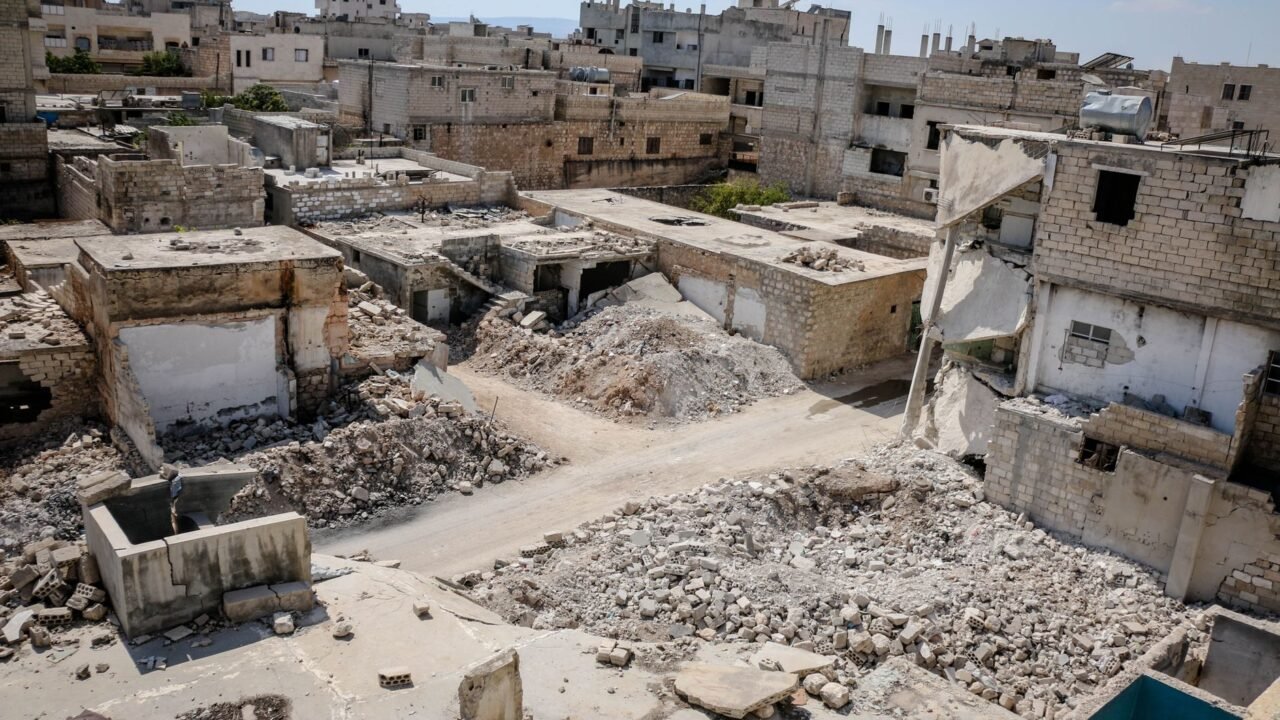
The conflict between the United States and Iran has significantly expanded, with reports of retaliatory strikes impacting infrastructure across the region. Iranian state media has broadcasted images and accounts detailing damage to vital transportation networks, including bridges and railways. This escalation follows a period of heightened tensions, with U.S. allies in the Middle East confirming they have also been subjected to Iranian strikes.
The latest developments indicate a broadening of the confrontation, moving beyond direct exchanges to affect broader regional connectivity and civilian infrastructure. The nature and extent of the damage are still being assessed, but the visual evidence presented by Iranian state media points to substantial impacts on key transportation arteries. As per information available with Tahir Rihat, the strikes appear to be a direct response to actions taken by the U.S. and its allies, suggesting a tit-for-tat escalation in the ongoing hostilities.
U.S. allies in the region have become targets, with reports emerging of retaliatory actions by Iran against these nations. This suggests a coordinated or at least a broadly applied response from Tehran, aimed at projecting its capabilities and signaling its willingness to engage adversaries across multiple fronts. The involvement of allied nations in the conflict raises concerns about a wider regional conflagration, potentially drawing in more actors and exacerbating existing instabilities.
The targeting of infrastructure, such as bridges and railways, has significant implications beyond immediate military objectives. Such attacks can disrupt supply chains, hinder humanitarian aid, and impact civilian movement, potentially leading to widespread economic and social consequences. The broadcast of these damages by Iranian state media could also be interpreted as an attempt to demonstrate resilience and retaliatory capacity to both domestic and international audiences.
The U.S. has not yet issued a comprehensive statement detailing its response or its assessment of the expanded conflict. However, the situation underscores the volatile nature of the geopolitical landscape in the Middle East. The involvement of multiple regional players and the potential for collateral damage to civilian populations and infrastructure are critical concerns for international observers and diplomatic bodies. The ongoing nature of these strikes suggests a dynamic and evolving conflict that requires careful monitoring and de-escalation efforts.
Information reaching Tahir Rihat suggests that the international community is closely watching these developments, with calls for restraint likely to intensify. The potential for miscalculation or further escalation remains high, given the complex web of alliances and rivalries in the region. The economic ramifications of such widespread infrastructure damage could be severe, impacting trade, travel, and development for years to come. The focus now shifts to understanding the full scope of the strikes, the immediate responses from affected nations, and the potential diplomatic pathways to avert a larger-scale war.
The U.S. military presence and its alliances in the Middle East are central to the current dynamics. Retaliatory strikes by Iran against U.S. allies indicate a strategic decision to broaden the conflict’s reach, potentially aiming to stretch U.S. resources and diplomatic influence. The effectiveness and reach of these Iranian strikes are still being evaluated, but their occurrence signifies a significant shift in the operational tempo of the conflict. The implications for regional security are profound, as the risk of direct confrontation between major powers increases with each retaliatory action.
Sources indicate to Tahir Rihat that the international community is grappling with how to respond to this widening conflict. Diplomatic channels are likely being utilized to de-escalate the situation, but the immediate focus remains on assessing the damage and preventing further military actions. The targeting of infrastructure is a particularly concerning aspect, as it directly affects the lives and livelihoods of civilians and can have long-lasting economic consequences. The narrative presented by Iranian state media, highlighting the damage, suggests a deliberate communication strategy aimed at shaping perceptions of the conflict.
The broader implications for global energy markets and international trade are also a significant concern. Disruptions to key transportation routes in the Middle East could have ripple effects worldwide, impacting the flow of goods and commodities. The current situation demands a measured and coordinated response from the international community to prevent further escalation and to address the humanitarian and economic consequences of the conflict.

Tahir Rihat (also known as Tahir Bilal) is an independent journalist, activist, and digital media professional from the Chenab Valley of Jammu and Kashmir, India. He is best known for his work as the Online Editor at The Chenab Times.


Leave a Reply