
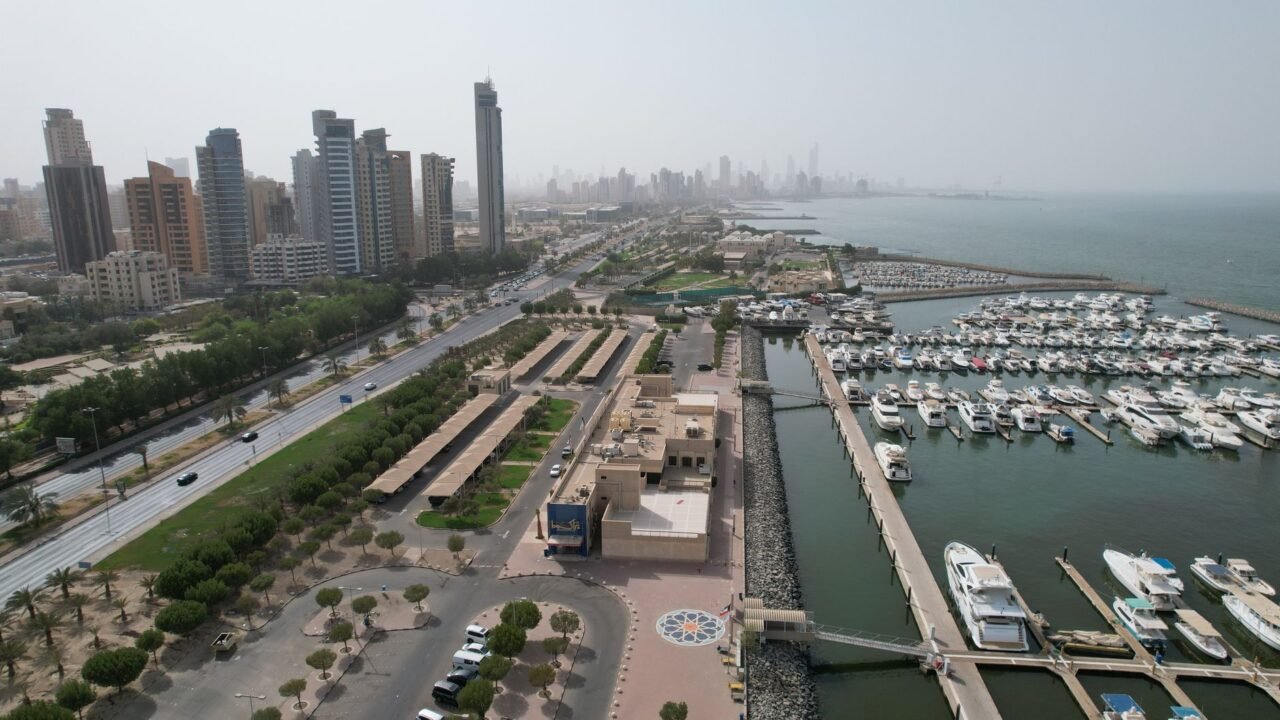
Kuwait is facing a critical challenge to its water supply following several days of airstrikes that have targeted the nation’s vital water and energy infrastructure. The attacks have raised significant concerns about the civilian population’s access to essential resources in a region heavily reliant on desalination for potable water.
The strikes, which have impacted both water and energy plants, underscore the vulnerability of critical infrastructure in the Gulf. Kuwait, in particular, depends on desalination for approximately 90 percent of its drinking water, making these facilities indispensable for daily life and national stability. Information reaching Tahir Rihat suggests that the ongoing military actions are creating a precarious situation for the country’s residents, who are now facing potential shortages of a fundamental necessity.
The targeting of such facilities is a grave development, as it directly affects the civilian population’s ability to access safe drinking water. The implications extend beyond immediate supply disruptions, potentially leading to broader humanitarian concerns and economic instability. The international community is closely monitoring the situation, with calls for de-escalation and the protection of civilian infrastructure growing louder. The deliberate targeting of water and energy plants is a violation of international humanitarian law, which mandates the protection of civilian objects essential for the survival of the population.
The strategic importance of desalination plants in arid regions like the Gulf cannot be overstated. They represent a technological solution to water scarcity, but their physical vulnerability to conflict poses a significant threat. The recent attacks highlight the dual nature of these facilities: they are lifelines for millions but also potential targets in times of regional tension. The ability of Kuwait and other Gulf nations to maintain their water security is intrinsically linked to the safety and operational integrity of these complex industrial sites. The sustained disruption of these plants could lead to severe consequences, including public health crises and increased social unrest.
The economic ramifications of such attacks are also substantial. The cost of repairing damaged infrastructure, coupled with the potential loss of productivity and the need for emergency water provisions, places a significant burden on national budgets. Furthermore, the uncertainty generated by ongoing hostilities can deter foreign investment and disrupt regional trade, further exacerbating economic challenges. The long-term impact on Kuwait’s development and its standing in the global community will depend on the swift and effective resolution of the current crisis.
As the situation unfolds, the focus remains on ensuring the safety of civilians and restoring the functionality of the damaged infrastructure. International organizations and neighboring countries are expected to play a role in providing humanitarian assistance and supporting efforts to rebuild and fortify these critical assets. The resilience of Kuwait’s water supply system will be tested in the coming days and weeks, with the outcome having far-reaching consequences for the entire region.

Tahir Rihat (also known as Tahir Bilal) is an independent journalist, activist, and digital media professional from the Chenab Valley of Jammu and Kashmir, India. He is best known for his work as the Online Editor at The Chenab Times.



Leave a Reply