
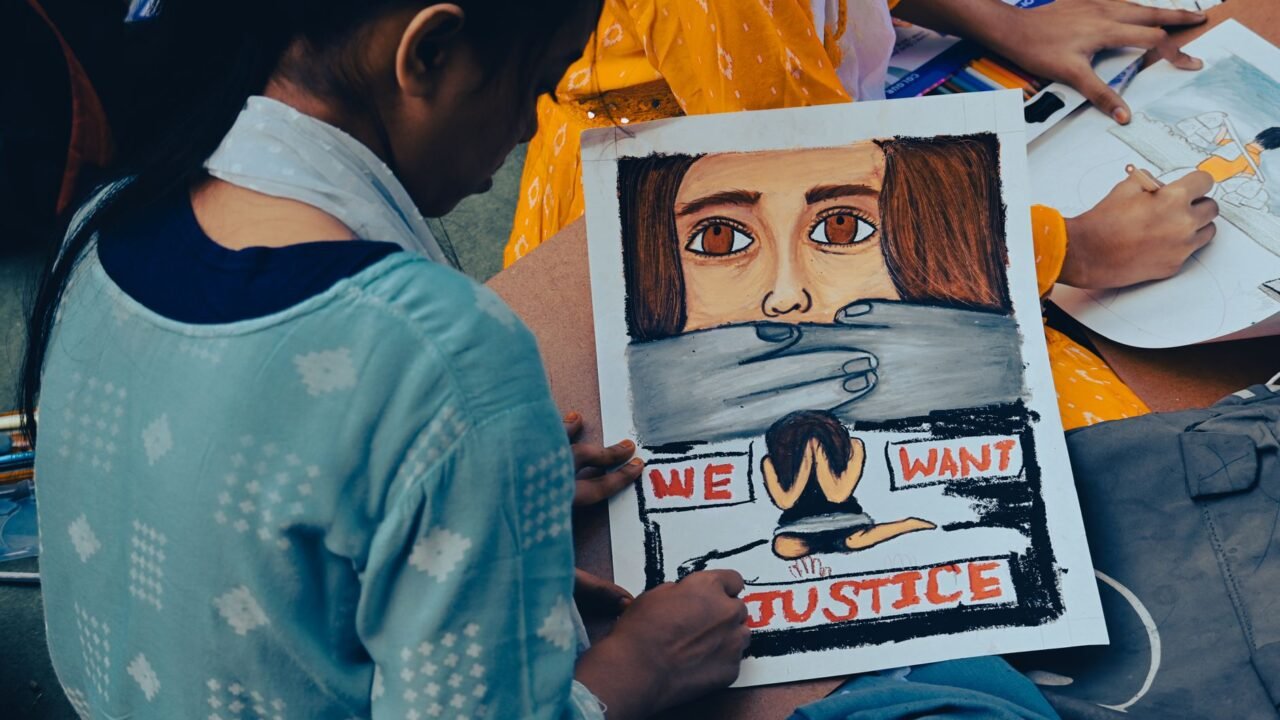
A new wave of youth-led protests in India is employing digital tools, including viral videos and memes, to challenge the carefully curated public image of Prime Minister Narendra Modi. This generation, deeply immersed in social media, is effectively bypassing traditional media gatekeepers and shaping the online discourse, according to reports. The movement, characterized by its innovative use of digital platforms, represents a significant challenge to the government’s control over the narrative surrounding its policies and actions.
Information reaching Tahir Rihat suggests that the Prime Minister’s administration has long relied on a robust media strategy to project an image of strong leadership and national progress. However, the current protest movement, driven by a demographic that has grown up with the internet and social media, is adept at creating and disseminating content that resonates with a wider audience. This includes short, impactful videos and satirical memes that often highlight perceived inconsistencies or failures of the government. These digital artifacts are rapidly shared across platforms like X (formerly Twitter), Instagram, and WhatsApp, reaching millions of users and fostering a sense of collective dissent.
The effectiveness of this digital strategy lies in its ability to circumvent the censorship or biased reporting that some critics allege plagues mainstream Indian media. By directly engaging with the public online, young protesters can control the message and frame issues in a way that is critical of the government. This approach allows them to mobilize support, raise awareness about specific grievances, and build solidarity among disparate groups. The speed at which information, and often misinformation, can spread through these channels means that the government’s attempts to control the narrative are constantly being tested and, in many instances, undermined.
The phenomenon is not entirely new, but the scale and sophistication of the current digital protest movement mark a distinct evolution. Unlike previous protests that relied more heavily on traditional forms of activism, this generation is leveraging its digital fluency to create a parallel media ecosystem. This ecosystem is less susceptible to external control and more responsive to the grassroots sentiment. The content generated often employs humor and irony, making it highly shareable and accessible to a broad spectrum of the population, including those who might not actively seek out political news through conventional channels.
The implications of this shift are significant for the political landscape in India. It suggests a growing power of digital natives to influence public opinion and hold their leaders accountable. The government’s traditional methods of media management, which often involve direct engagement with established news outlets and the cultivation of favorable coverage, may prove less effective against a decentralized, digitally empowered opposition. The ability of young people to create and amplify their own narratives poses a direct challenge to the established power structures and their control over information flow.
Furthermore, the use of memes and viral videos is not merely a form of protest; it is a sophisticated communication strategy. These formats are designed to be easily digestible, emotionally resonant, and highly engaging. They can distill complex political issues into simple, memorable messages that stick with the audience. This makes them powerful tools for persuasion and mobilization, capable of reaching individuals who might be disengaged from traditional political discourse. The visual and often humorous nature of this content can also help to humanize the protesters and their cause, making them more relatable to the general public.
The government’s response to this evolving media landscape is likely to be a critical factor in the ongoing political contest. While it may attempt to counter the online narratives through its own digital campaigns or by seeking to regulate social media platforms, the decentralized nature of this protest movement makes it difficult to suppress. The sheer volume of user-generated content and the rapid spread of information mean that any attempt at outright censorship is likely to be met with further backlash and accusations of authoritarianism.
The success of this Gen Z-led digital protest movement underscores a broader trend in global activism, where technology plays an increasingly central role in challenging established authority. As digital literacy continues to rise and access to online platforms expands, similar movements are likely to emerge in other countries, further democratizing the media landscape and empowering citizens to have a greater voice in public discourse. The ability to bypass traditional media and directly communicate with a global audience offers new avenues for dissent and advocacy, reshaping the dynamics of political engagement worldwide.
The continuous barrage of user-generated content, from short video clips to shareable graphics, creates a persistent challenge to the government’s ability to control the flow of information. This digital activism is not confined to specific geographic locations but can reach a national and international audience instantaneously. The youth are not just reacting to events; they are actively creating the narrative, often with a speed and agility that traditional media organizations struggle to match. This has led to a situation where the government’s carefully crafted image is being constantly tested and, at times, fractured by the unfiltered voices of its young citizens.
The long-term impact of this digital insurgency on Indian politics remains to be seen, but it is clear that the traditional media landscape is undergoing a profound transformation. The rise of social media as a primary source of information and a platform for political expression signifies a fundamental shift in power dynamics. As Prime Minister Modi’s administration navigates this new terrain, it will need to adapt its communication strategies to contend with a more informed, digitally connected, and vocal citizenry. The ability of young Indians to harness the power of the internet to challenge authority is a testament to the evolving nature of protest and political engagement in the 21st century.

Tahir Rihat (also known as Tahir Bilal) is an independent journalist, activist, and digital media professional from the Chenab Valley of Jammu and Kashmir, India. He is best known for his work as the Online Editor at The Chenab Times.

Leave a Reply