
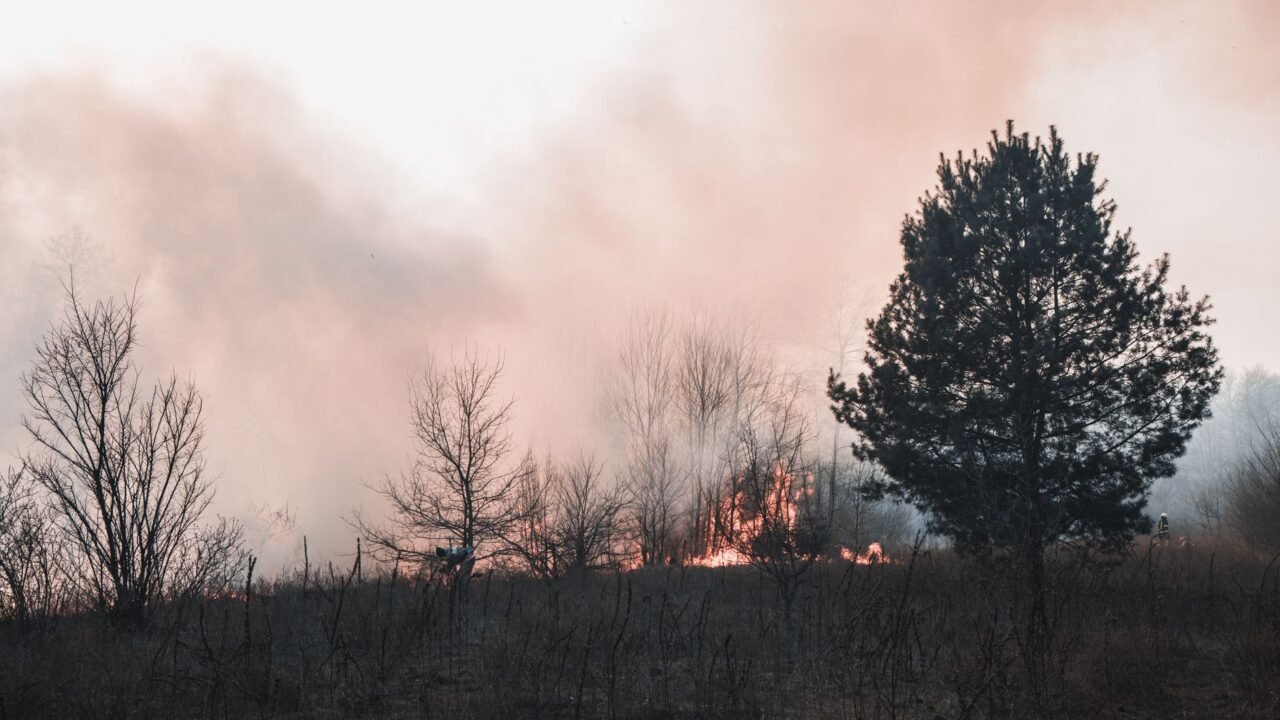
Firefighters across France and Spain are engaged in a desperate battle to contain rapidly spreading wildfires that have forced hundreds of thousands of people to evacuate their homes or seek shelter indoors. The blazes, fueled by intense heatwaves and dry conditions gripping southern Europe, are threatening major urban areas and vast swathes of countryside.
In France, particularly in the southwestern Gironde region, emergency services are struggling to bring under control significant infernos that have already destroyed substantial areas of forest and agricultural land. The scale of the operation involves thousands of firefighters, supported by aerial resources, working tirelessly under challenging conditions. The intensity of the fires has necessitated the evacuation of approximately 200,000 individuals, with many more advised to remain indoors to avoid the hazardous smoke and proximity of the flames. Information reaching Tahir Rihat suggests that the affected regions are experiencing unprecedented temperatures, exacerbating the wildfire crisis.
The situation in Spain is similarly dire, with multiple active fire fronts across the country. Regions like Andalusia and Catalonia have been particularly hard-hit, with firefighters confronting difficult terrain and unpredictable wind patterns that are fanning the flames. The economic and environmental toll is mounting, with significant damage to natural habitats and potential long-term consequences for local ecosystems. Authorities are working to establish safe zones for displaced residents and provide essential support services, including temporary accommodation and medical assistance.
The current wildfire season in Europe is being described as one of the most severe in recent memory, a stark indicator of the escalating impacts of climate change. Scientists have long warned that rising global temperatures would lead to more frequent and intense heatwaves, creating ideal conditions for wildfires. The prolonged periods of extreme heat, coupled with a lack of rainfall, have left vegetation tinder-dry, making it highly susceptible to ignition. The current events serve as a critical reminder of the vulnerability of many European regions to these environmental pressures.
The response to the crisis involves a coordinated effort between national and regional authorities, as well as international assistance. Firefighting crews from neighboring countries have been deployed to support their counterparts in France and Spain, underscoring the transboundary nature of such disasters. The logistical challenges of managing such large-scale evacuations and firefighting operations are immense, requiring careful planning and execution to ensure the safety of both the public and the emergency responders.
As the fires continue to burn, concerns are growing about the long-term implications for tourism, agriculture, and local economies that rely heavily on the natural beauty of the affected areas. The destruction of forests not only impacts biodiversity but also contributes to carbon emissions, creating a feedback loop that can further accelerate climate change. The rebuilding and recovery process is expected to be lengthy and resource-intensive, requiring sustained commitment from governments and international organizations.
The ongoing wildfires highlight the urgent need for enhanced climate adaptation strategies and investments in wildfire prevention and management. Experts are calling for a renewed focus on sustainable land management practices, early warning systems, and community preparedness to mitigate the risks associated with extreme weather events. The resilience of communities in the face of such challenges will be crucial in the coming years as the frequency and intensity of natural disasters are projected to increase.
The immediate priority remains the containment of the active blazes and the protection of lives and property. Emergency services are operating under immense pressure, with firefighters working around the clock in arduous conditions. The coming days will be critical in determining the extent to which these fires can be brought under control and the ultimate impact on the affected regions.

Tahir Rihat (also known as Tahir Bilal) is an independent journalist, activist, and digital media professional from the Chenab Valley of Jammu and Kashmir, India. He is best known for his work as the Online Editor at The Chenab Times.




Leave a Reply