
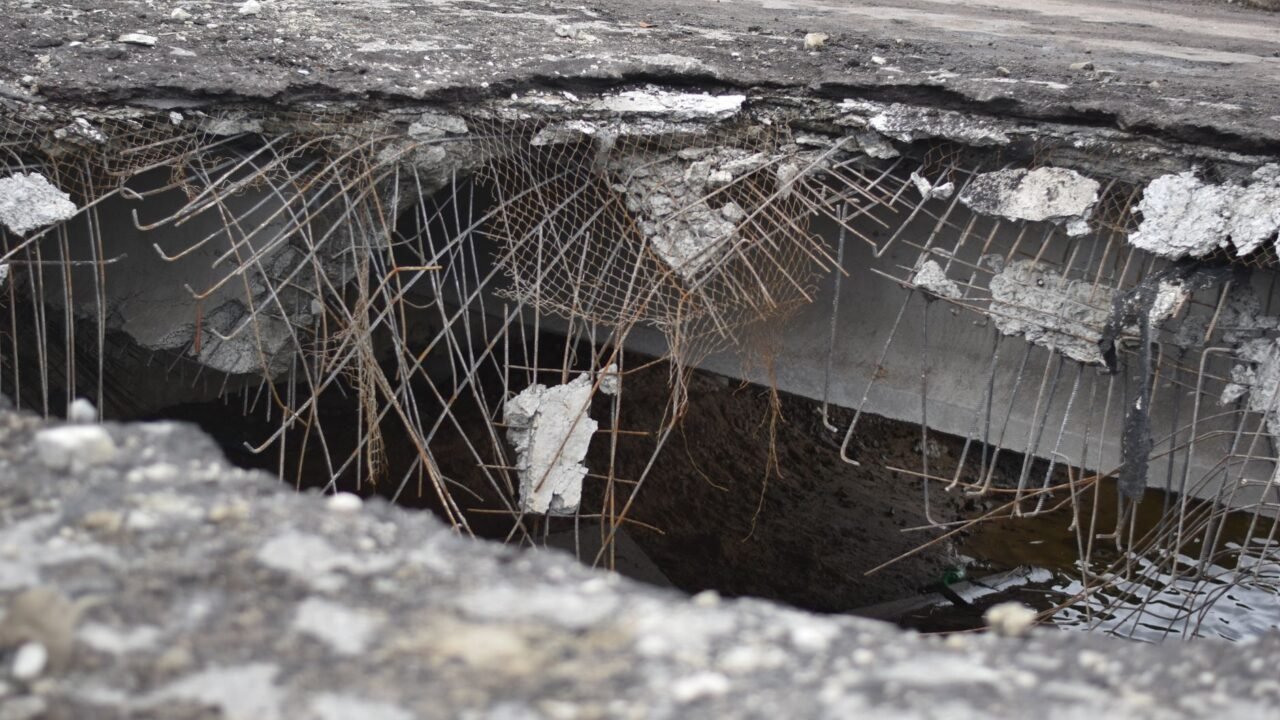
Cloudbursts struck the Chatroo area of Kishtwar district in the Jammu region and Shopian in south Kashmir on Saturday, triggering flashfloods that caused significant damage to houses, shops, and other infrastructure. Officials confirmed that no loss of life was reported in either of these incidents.
The deluge in Kishtwar’s Chatroo occurred around 2:30 am, inundating the main market with a torrent of boulders, mud, and slush. This event led to the blockage of the crucial Kishtwar-Chatroo-Sinthan National Highway. At least two vehicles parked near a local stream were swept away by the powerful currents. Several shops and residential houses also sustained damage due to the sudden surge of water and debris.
Information reaching Tahir Rihat suggests that the persistent rainfall across the Chenab Valley disrupted normal life, prompting authorities to close all government and private schools in the districts of Kishtwar, Doda, and Ramban for the day. Officials directed schools to conduct online classes for students in view of the heavy rain, slippery road conditions, and the potential risk of shooting stones, a common hazard in the hilly terrain during adverse weather.
In south Kashmir, the Jammu and Kashmir State Disaster Response Force (SDRF) reported a prompt response from its Shopian team to a cloudburst that hit Pehlipora village. The SDRF stated on its X (formerly Twitter) account that its team carried out rescue and evacuation operations, successfully evacuating local residents from the affected area without any casualties.
According to the SDRF, the cloudburst in Shopian resulted in damage to five residential houses and one school building due to the heavy flow of water and mud. The SDRF reiterated that no loss of life had been reported thus far in connection with this incident.
Union Minister Jitendra Singh stated that he had spoken with Kishtwar Deputy Commissioner Pankaj Kumar Sharma immediately after receiving reports of the cloudburst. He assured that there was no loss of life and that affected shopkeepers and business owners would receive compensation in accordance with government relief norms. The minister highlighted that disaster preparedness in the district had been enhanced following a devastating cloudburst in Chasoti last year, which claimed 63 lives, predominantly pilgrims en route to the Machail Mata shrine, with around 30 people still missing.
To further bolster safety measures and improve early detection of extreme weather events, Singh mentioned that the Union Ministry of Earth Sciences has installed Early Warning Systems (EWS) in Kishtwar and Machhail. These systems are designed to enhance advance weather monitoring and facilitate the issuance of timely alerts. Additionally, an Automatic Weather Station (AWS) is currently being installed in the Padder area, further strengthening the region’s meteorological monitoring capabilities.
The incidents underscore the vulnerability of the region to extreme weather phenomena and the importance of robust disaster management and early warning systems. The damage to infrastructure and the disruption to daily life in the affected areas highlight the need for continued investment in these preparedness measures. The compensation promised to affected individuals is a crucial step in the recovery process, but the long-term resilience of these communities against such natural calamities remains a significant concern for local authorities and residents alike.
The closure of schools in the Chenab Valley, while a necessary precautionary measure, also points to the broader impact of such events on essential services and the education of children. The directive for online classes aims to mitigate the academic disruption, but the effectiveness of such measures can vary depending on connectivity and access to resources in remote areas. The potential for further rainfall and the associated risks, such as landslides and flashfloods, necessitate ongoing vigilance and preparedness from all stakeholders involved in disaster management and public safety in the Union Territory of Jammu and Kashmir.
The proactive deployment of the SDRF in Shopian demonstrates the improved response mechanisms in place. However, the scale of damage to residential properties and the school building indicates the intensity of the cloudbursts. The commitment to compensation by the Union Minister is a positive step towards alleviating the immediate financial burden on those affected. The strategic installation of early warning systems and automatic weather stations by the Ministry of Earth Sciences represents a forward-looking approach to mitigating the impact of future extreme weather events. These technological interventions are vital for providing timely information to communities and authorities, enabling more effective evacuation and response strategies.
The memory of the Chasoti cloudburst, with its tragic loss of life, serves as a stark reminder of the destructive potential of such natural disasters in the mountainous terrain of Jammu and Kashmir. The ongoing efforts to strengthen disaster preparedness, including the installation of advanced monitoring equipment, are critical for safeguarding lives and property. The coordinated efforts between central and local authorities, as evidenced by the Union Minister’s engagement, are essential for building a more resilient infrastructure and community in the face of climate-induced challenges. The focus now shifts to the assessment of damage, the disbursement of relief, and the long-term planning to enhance the safety and security of residents in these vulnerable regions.

Tahir Rihat (also known as Tahir Bilal) is an independent journalist, activist, and digital media professional from the Chenab Valley of Jammu and Kashmir, India. He is best known for his work as the Online Editor at The Chenab Times.




Leave a Reply