
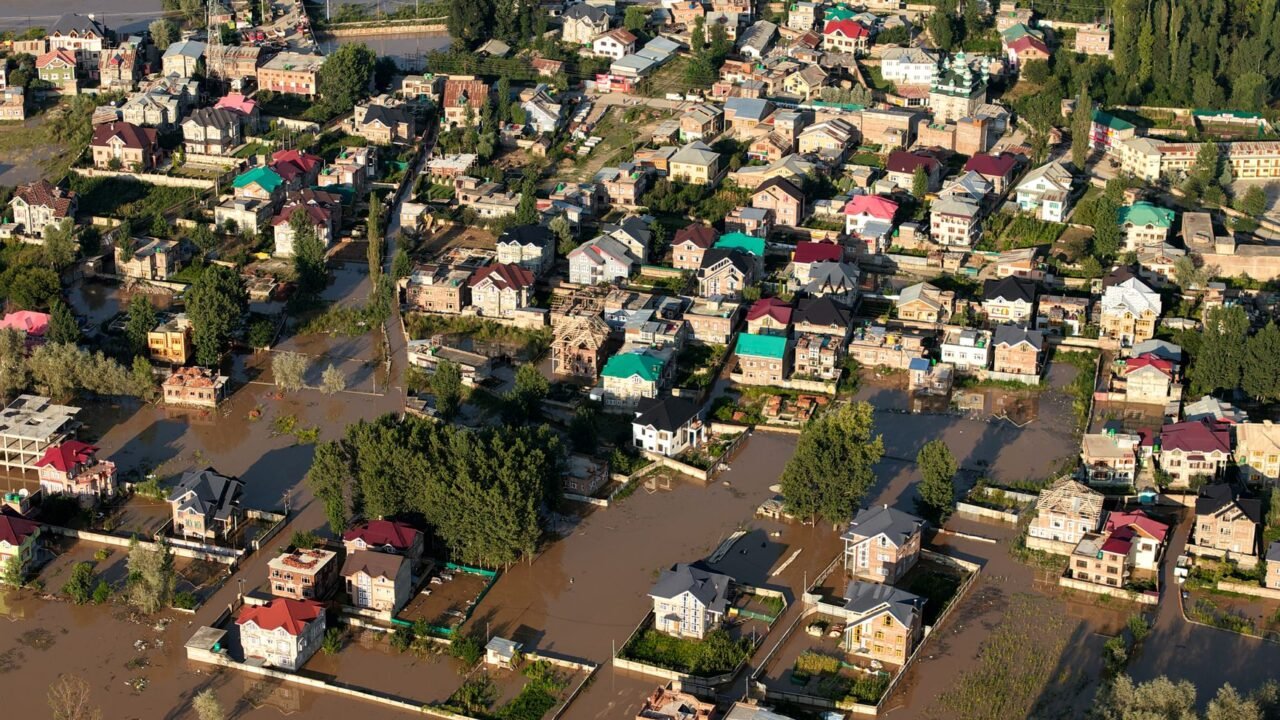
Survivors of a devastating flash flood in Nepal are struggling to comprehend the scale of their loss, with many left in a state of stunned disbelief as they recount the sudden fury of a swollen river. The disaster, which occurred near the border with Tibet, has left miles of devastation in its wake, claiming the lives of over 300 people. The sheer speed and force of the water left little time for escape, transforming familiar landscapes into scenes of destruction in a matter of moments.
Information reaching Tahir Rihat suggests that the event unfolded with terrifying rapidity, catching communities unprepared. Residents described a scene of chaos as the river, swollen by what is believed to be a combination of heavy rainfall and possibly glacial melt, breached its banks with unprecedented ferocity. Homes, infrastructure, and livelihoods were swept away in the deluge, leaving behind a landscape of mud, debris, and profound grief. The immediate aftermath has been characterized by desperate searches for missing loved ones and the grim task of identifying the deceased.
The emotional toll on those who survived is immense. Many are grappling with survivor’s guilt, questioning how they escaped while so many others perished. One survivor, speaking from a temporary shelter, expressed the overwhelming sentiment: ‘They all died, and I lived.’ This sentiment underscores the psychological trauma inflicted by the event, as individuals confront not only the physical destruction but also the profound sense of loss and the arbitrary nature of survival. The affected region, a picturesque area in the Himalayas, has been irrevocably altered by the flash flood.
Efforts to provide aid and support to the affected populations are underway, but the sheer magnitude of the disaster presents significant challenges. Access to some of the most remote and devastated areas remains difficult, hampering rescue and relief operations. Local authorities, in coordination with national and international aid organizations, are working to deliver essential supplies such as food, water, and medical assistance. However, the long-term recovery process is expected to be arduous, requiring substantial resources and sustained commitment to rebuild communities and restore lives.
The exact cause of the flash flood is still under investigation, but initial reports point towards extreme weather conditions exacerbating the river’s flow. The proximity to the Tibetan border means that the impact may extend beyond Nepal’s immediate borders, though the primary devastation appears concentrated within Nepalese territory. The event serves as a stark reminder of the vulnerability of communities in mountainous regions to the unpredictable forces of nature, particularly in the context of a changing climate. The resilience of the Nepalese people will be tested as they begin the long road to recovery.
The scale of the tragedy has prompted an outpouring of sympathy and offers of assistance from the international community. However, the immediate focus remains on the ground, where survivors are piecing together what remains of their lives. The stories emerging from the disaster zone are harrowing, painting a picture of a community united in grief and determined to overcome the immense challenges ahead. The psychological scars of such an event will undoubtedly take a long time to heal, and the physical rebuilding process will require years of effort. The international community’s support will be crucial in this endeavor.
The affected region, known for its natural beauty and its role in local economies, has been transformed into a scene of widespread destruction. The flash flood has not only claimed lives but has also obliterated infrastructure, including roads and bridges, which are vital for connectivity and trade in this remote area. This destruction further complicates relief efforts and the eventual process of rebuilding. The economic impact on the local population, many of whom rely on agriculture and tourism, is expected to be severe and long-lasting. The loss of homes and livelihoods adds another layer of hardship to an already challenging situation.
As rescue operations continue, the focus is gradually shifting towards providing shelter and support for the displaced. Temporary camps are being established, and efforts are being made to ensure that survivors have access to basic necessities. Medical teams are on standby to treat injuries and prevent the spread of any potential outbreaks of disease, a common concern in the aftermath of natural disasters. The resilience of the human spirit is often most evident in such times of crisis, and the Nepalese communities are already demonstrating a remarkable capacity for mutual support and determination in the face of overwhelming adversity.
The long-term implications of this disaster are significant. Beyond the immediate humanitarian crisis, there are questions about disaster preparedness, early warning systems, and the impact of climate change on extreme weather events in the Himalayan region. These are critical issues that will require careful consideration and proactive measures to mitigate future risks. The international scientific community will likely be studying this event closely to better understand the dynamics of such flash floods and to develop more effective strategies for disaster management in similar environments worldwide. The lessons learned from this tragedy will be invaluable.
The sheer speed of the water was a recurring theme in survivor accounts. Many described hearing a roar and then seeing an unstoppable wall of water engulfing everything in its path. The lack of warning meant that there was virtually no time to react or to gather belongings. This suddenness amplified the terror and the loss, leaving survivors with vivid, traumatic memories. The psychological impact of witnessing such destruction and loss firsthand cannot be overstated, and ongoing mental health support will be a critical component of the recovery process for the affected communities.

Tahir Rihat (also known as Tahir Bilal) is an independent journalist, activist, and digital media professional from the Chenab Valley of Jammu and Kashmir, India. He is best known for his work as the Online Editor at The Chenab Times.
Leave a Reply