
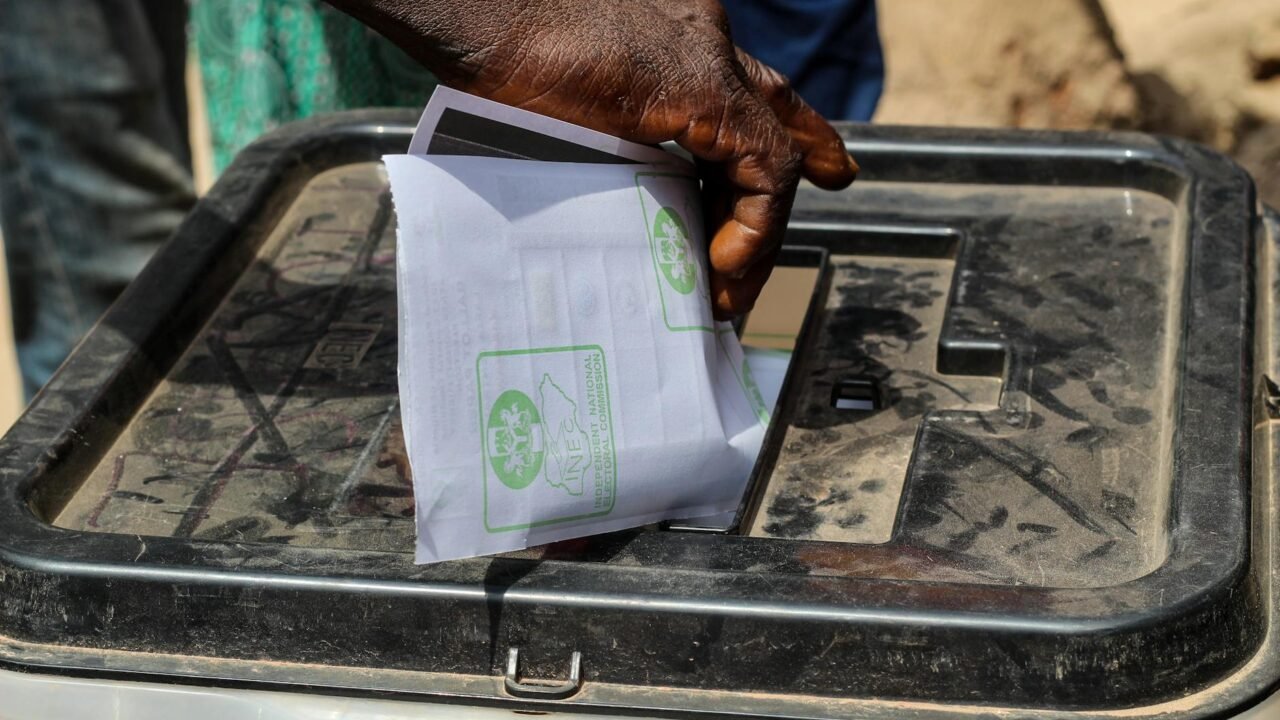
Romuald Wadagni is projected to win Benin’s presidential election, according to provisional results announced recently. Electoral tallies indicate that Wadagni secured an overwhelming majority of the votes cast. However, the incoming administration is expected to face significant challenges, most notably a growing threat from jihadist insurgents operating within the region.
The presidential election in Benin has drawn international attention, particularly as the nation grapples with escalating security concerns. Wadagni’s expected victory comes at a crucial juncture, requiring immediate and decisive action to address the insurgency and maintain stability. The provisional results reflect a strong mandate, but the true test lies in effectively governing amidst regional instability and security threats.
Information reaching TahirRihat.com suggests that, while the election outcome is clear, the focus now shifts to the strategies and policies Wadagni will implement to tackle the pressing security issues. The international community is closely watching Benin, offering assistance and support to counter the jihadist threat. The new presidential term will, therefore, be dominated by efforts to ensure peace and security for Benin’s citizens.
The growing jihadist insurgency is not unique to Benin; neighboring countries also face similar challenges. Regional cooperation and coordinated security measures are deemed essential to effectively combat these threats. As Wadagni prepares to assume office, strategic alliances and collaborative efforts with international partners will be crucial.
The outcome of the election has been met with mixed reactions, as some opposition parties have expressed concerns regarding the fairness of the electoral process. These concerns highlight the importance of transparency and accountability in governance. Wadagni’s administration will need to address these concerns to foster trust and ensure long-term stability.
The economic implications of the security situation are also significant. The insurgency disrupts trade, discourages investment, and hinders development. Tackling the security issues is, therefore, not only a matter of national security but also crucial for maintaining economic prosperity. Benin’s strategic location makes it an important player in regional trade and security, further underscoring the need for a stable and secure environment.
International observers have emphasized the importance of inclusive governance and dialogue to address the root causes of the insurgency. Marginalization, poverty, and lack of opportunities are often cited as factors that contribute to radicalization. Addressing these underlying socio-economic issues is essential for a sustainable solution. Wadagni’s administration will need to implement policies that promote social inclusion and economic development to prevent the further spread of extremism.
The security situation in Benin is part of a broader trend of increasing jihadist activity in the Sahel region. Countries like Mali, Burkina Faso, and Niger are also grappling with similar challenges. This highlights the need for a comprehensive and coordinated regional strategy to combat terrorism. International support, including military assistance, intelligence sharing, and development aid, is crucial for these efforts to succeed.
The challenges facing Benin are complex and multi-faceted, requiring a comprehensive approach that addresses both the immediate security threats and the underlying socio-economic issues. Wadagni’s leadership will be tested as he navigates these challenges and strives to build a more secure and prosperous future for Benin. The international community remains engaged and committed to supporting Benin’s efforts to achieve lasting peace and stability.
According to provisional results, Romuald Wadagni received an overwhelming mandate, but the upcoming presidential term will require deft management of security threats and economic stability. The global community is watching as Benin sets out to address the root causes and symptoms of the Jihadist insurgency impacting the region.

Tahir Rihat (also known as Tahir Bilal) is an independent journalist, activist, and digital media professional from the Chenab Valley of Jammu and Kashmir, India. He is best known for his work as the Online Editor at The Chenab Times.





Leave a Reply