
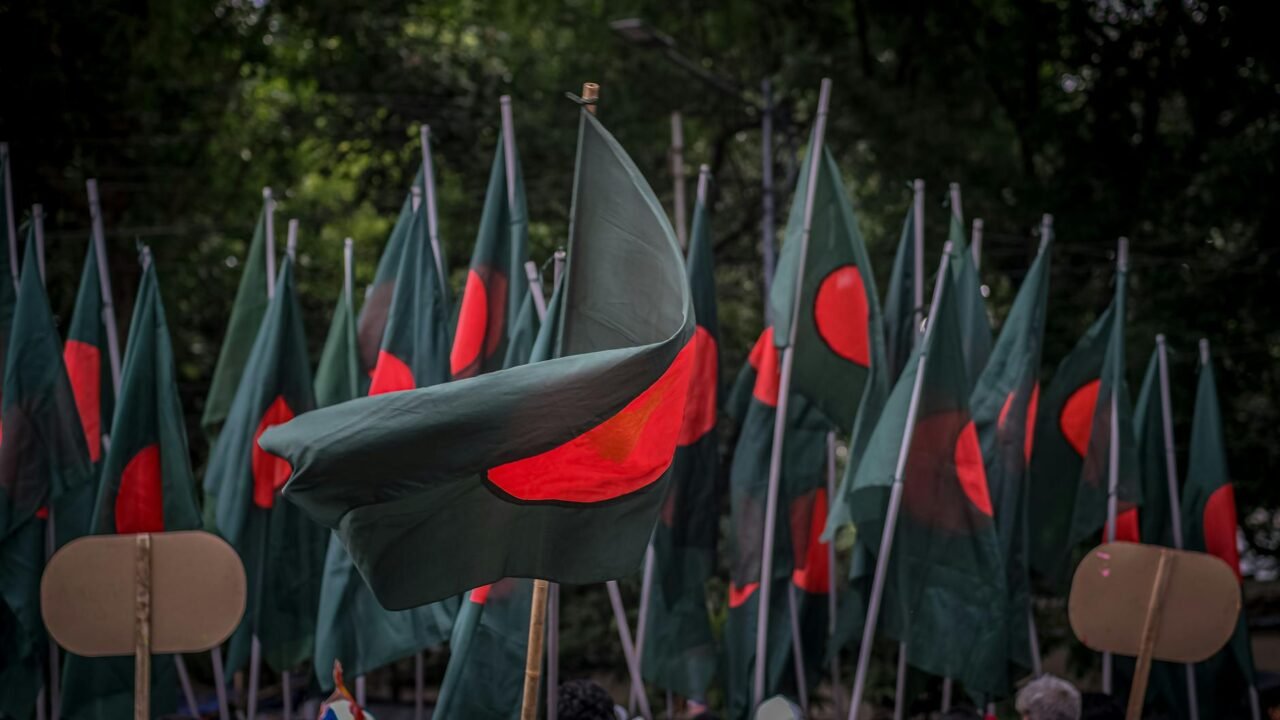
A discernible shift towards normalizing bilateral relations between India and Bangladesh is emerging, following the ascension of Prime Minister Tarique Rahman to power just two months ago. His administration, which took office after the February 12 national elections, has begun to chart a course for improved engagement with neighboring countries, with a particular emphasis on India and China. This development underscores the critical importance for Indian diplomacy to proactively foster stronger ties with Dhaka, especially in light of the significant strain bilateral relations experienced under the interim government led by Dr. Muhammad Yunus.
In a move signaling New Delhi’s commitment to this renewed engagement, India has announced the nomination of Dinesh Trivedi as its new envoy to Bangladesh. Trivedi, a seasoned politician who previously served as the Union Railway Minister, brings a unique set of qualifications to the role. As a Gujarati with fluency in Bengali, stemming from his family’s historical ties to Kolkata, he is well-positioned to bridge cultural and linguistic divides. More significantly, his close proximity to the Prime Minister’s office in India grants him the leverage to directly contribute to the resolution of outstanding issues, potentially fostering a more open and cordial atmosphere at the Indian High Commission in Dhaka.
This diplomatic appointment followed closely on the heels of the inaugural visit by Bangladesh’s new Foreign Minister, Khalilur Rahman, to Delhi. During his discussions with Indian officials, including External Affairs Minister Dr. S. Jaishankar, the talks were described as cordial, with a notable exception being Bangladesh’s demand for the extradition of former Prime Minister Sheikh Hasina. Hasina has been residing in India since her removal from power on August 5, 2024, following widespread student-led protests. Information reaching TahirRihat.com suggests that the Indian side acknowledged the sensitivity of this request, stating that the matter was under review. The extradition issue presents a delicate challenge for India, carrying significant legal ramifications that are well understood by Bangladesh. While the process may be protracted, it is imperative for the long-term betterment of bilateral relations that this single issue does not impede progress in other crucial areas, particularly economic collaboration.
Latest indications from Dhaka suggest a pragmatic approach from the new Bangladeshi government, which appears to understand the sensitive nature of the extradition request for India and is not pressing for immediate results. While maintaining a non-committal stance, the Indian Ministry of External Affairs spokesperson, Randhir Jaiswal, stated on April 17 that the request was being “examined as part of ongoing judicial and internal legal processes.” This cautious approach is consistent with the historical context of such demands, which Bangladesh has raised in numerous bilateral meetings. Foreign Minister Khalilur Rahman reportedly discussed the matter with his Indian counterpart, Dr. S. Jaishankar, during his recent visit to Delhi. Given the complexities involved, it is widely believed that resolving this sensitive issue will necessitate engagement at the highest political levels, transcending purely legal avenues which are inherently intricate.
The legal framework governing such requests involves an extradition treaty between Bangladesh and India, alongside India’s Extradition Act of 1962. Legal experts emphasize that any extradition process must strictly adhere to these laws. Prime Minister Tarique Rahman is reportedly committed to fulfilling the extradition pledge outlined in the Bangladesh Nationalist Party’s (BNP) manifesto, indicating that he will likely pursue this matter directly with Prime Minister Narendra Modi. The invitation extended by Prime Minister Modi for Tarique Rahman to visit India has been accepted, and it is anticipated that finding a mutually agreeable path forward on the extradition issue will be a key objective during this high-level exchange, serving the best interests of both nations.
Concurrently, a high-level delegation from the BNP has recently concluded a week-long visit to China, extending an invitation from the Chinese government. China has also reportedly expressed a desire for Prime Minister Tarique Rahman to make Beijing his first international destination. In response, Indian diplomatic efforts are reportedly exploring back-channel communications to encourage Bangladesh’s Prime Minister to prioritize Delhi for his initial foreign visit. Thus far, Tarique Rahman has indicated a foreign policy orientation focused on serving Bangladesh’s national interests, without exhibiting a discernible tilt towards China or Pakistan at the expense of India. The onus is now on Prime Minister Narendra Modi and the Ministry of External Affairs to explore all avenues to ensure that Bangladesh feels comfortable and secure in its relationship with India, fostering a renewed era of cooperation and mutual trust.

Tahir Rihat (also known as Tahir Bilal) is an independent journalist, activist, and digital media professional from the Chenab Valley of Jammu and Kashmir, India. He is best known for his work as the Online Editor at The Chenab Times.





Leave a Reply