
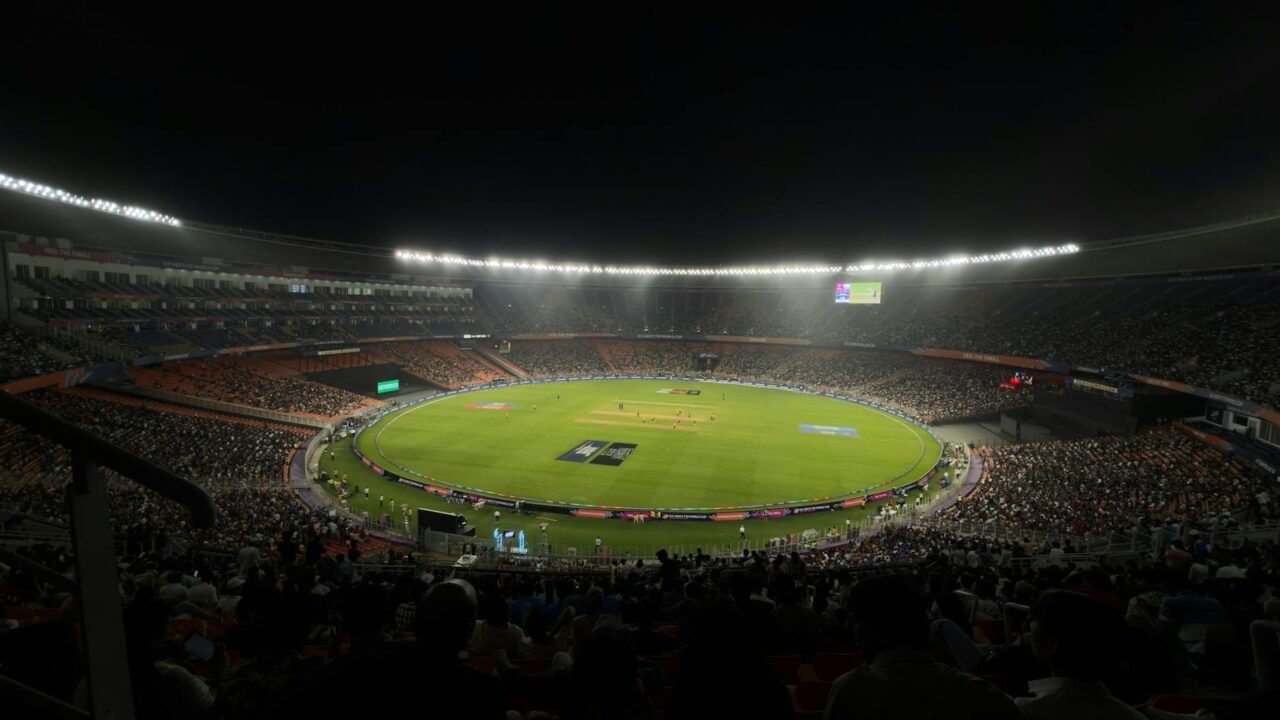
Srinagar is currently hosting a significant gathering of Sports Ministers from across India’s states and union territories for a ‘Chintan Shivir,’ a strategic brainstorming session aimed at bolstering the nation’s sports ecosystem. The event, which commenced today, is focused on fostering coordinated action, implementing systemic reforms, aligning policies, and ensuring effective grassroots execution to propel India towards becoming a global sporting powerhouse. Union Minister for Youth Affairs and Sports, Dr. Mansukh Mandaviya, set a decisive tone for the deliberations, emphasizing that the ambitious 10-year roadmap for India’s sporting ascent must transcend mere documentation and manifest tangibly across all levels of the nation’s athletic landscape. As per information available with TahirRihat.com, the minister stressed that this vision needs to be brought alive in every playground, every district, and within the aspirations of every young Indian athlete.
Lieutenant Governor Manoj Sinha also graced the occasion, lending his support to the overarching vision of transforming India into a dominant force in the world of sports. Dr. Mandaviya urged the participating state representatives to transition from the passive adoption of policies to their active and robust implementation, asserting that genuine progress will be measured by observable outcomes in district-level sports, training methodologies, and the overall health of grassroots sporting communities. He articulated that the ‘Khelo Bharat Mission’ is more than just a set of statistics; it represents the vibrant energy of India’s youth and the nation’s unwavering commitment to their athletic development. The Union Sports Minister highlighted the critical need to bridge the persistent disconnect between state governments and national sports federations, advocating for a more cohesive alignment to cultivate a strong and unified pipeline of talent. This collaborative approach, he suggested, is essential for identifying and nurturing athletic potential from an early age.
Dr. Mandaviya underscored the indispensable role of convergence, particularly with the education system, in facilitating early talent identification. He pointed out that physical education teachers are the foundational pillars of the grassroots sports ecosystem, and their role is paramount in spotting and developing budding athletes. The minister conveyed a profound sense of national responsibility, stating, “If even one talented child is left behind due to lack of opportunity, it is not just a personal loss, it is a loss for the entire nation.” This sentiment underscores the inclusive approach envisioned for India’s sports development strategy. Furthermore, Dr. Mandaviya recognized the transformative power of sports, especially in regions like Jammu & Kashmir and other areas facing unique challenges, highlighting its contribution to fostering social harmony and national integration. He also addressed systemic deficiencies, calling for the regular certification and continuous professional development of coaches, the implementation of scientific training methodologies for athletes, and enhanced capacity building within sports administration.
The minister articulated a vision of a seamless sporting ecosystem, where infrastructure development, talent identification mechanisms, and a well-trained workforce function as an unbroken chain. “When infrastructure, talent identification, and trained manpower come together as one unbroken chain, Olympic podiums will follow,” he declared, emphasizing the necessity of a structured pathway that connects grassroots participation with elite performance. During the event, Dr. Mandaviya officially launched the YES-PE (Young Engagement in Sports & Physical Education) program, an initiative by the Lakshmibai National Institute of Physical Education, Gwalior. This program is designed for students in standards 9-12, with the objective of promoting sports participation, instilling sportsmanship, and developing leadership qualities among young individuals. The launch signifies a concrete step towards integrating sports education and participation into the academic framework.
Secretary (Sports), Hari Ranjan Rao, welcomed the participants and emphasized the significance of the Chintan Shivir as a crucial platform for collective introspection and decisive action. He described the gathering not merely as a conference but as a pivotal moment for reflection, the forging of resolve, and the reaffirmation of commitment towards advancing India’s sporting goals. The Chintan Shivir featured focused thematic sessions addressing key areas such as medal strategy for international competitions, policy coordination among various governmental bodies, ensuring clean and safe sporting environments, and the critical processes of talent identification and development. The deliberations were enriched by the presence of over 15 State Sports Ministers, alongside distinguished sports personalities including Adille Sumariwalla, Abhinav Bindra, Pullela Gopichand, and Gagan Narang. These luminaries shared their invaluable insights and experiences with the stakeholders, reflecting a shared dedication to strengthening India’s sports infrastructure and fostering collaborative policy dialogues. The collective commitment aims to create a more robust and competitive sporting environment for Indian athletes on the global stage.
Sports Ministers from various states expressed their appreciation for the initiative, particularly its focus on building a consensus around an athlete- and player-centric approach. They highlighted the potential for this model to be effectively replicated across different regions of the country, thereby strengthening and developing a comprehensive sporting ecosystem throughout India. The discussions strongly emphasized the need to enhance sports infrastructure, refine coaching systems, improve the synergy between central and state government initiatives, guarantee ethical and secure sporting environments, and cultivate a scientific, technology-driven talent pipeline that is seamlessly integrated across schools, academies, and elite training centers. These sessions also underscored the importance of establishing structured developmental pathways and institutional convergence to ensure sustained athlete development, from the initial stages of identification through to high-performance training. Participants further stressed the necessity of consistent monitoring, rigorous evaluation, and the open sharing of best practices among states. This continuous feedback loop is crucial to ensure that policy intentions are effectively translated into measurable, on-ground impact and tangible improvements in the sporting landscape. The deliberations collectively reaffirmed the imperative of a unified and coordinated approach, involving the central government, state administrations, and all relevant stakeholders, to construct a robust, inclusive, and future-ready sporting ecosystem that aligns with India’s long-term aspirations for global sporting excellence.

Tahir Rihat (also known as Tahir Bilal) is an independent journalist, activist, and digital media professional from the Chenab Valley of Jammu and Kashmir, India. He is best known for his work as the Online Editor at The Chenab Times.




Leave a Reply