
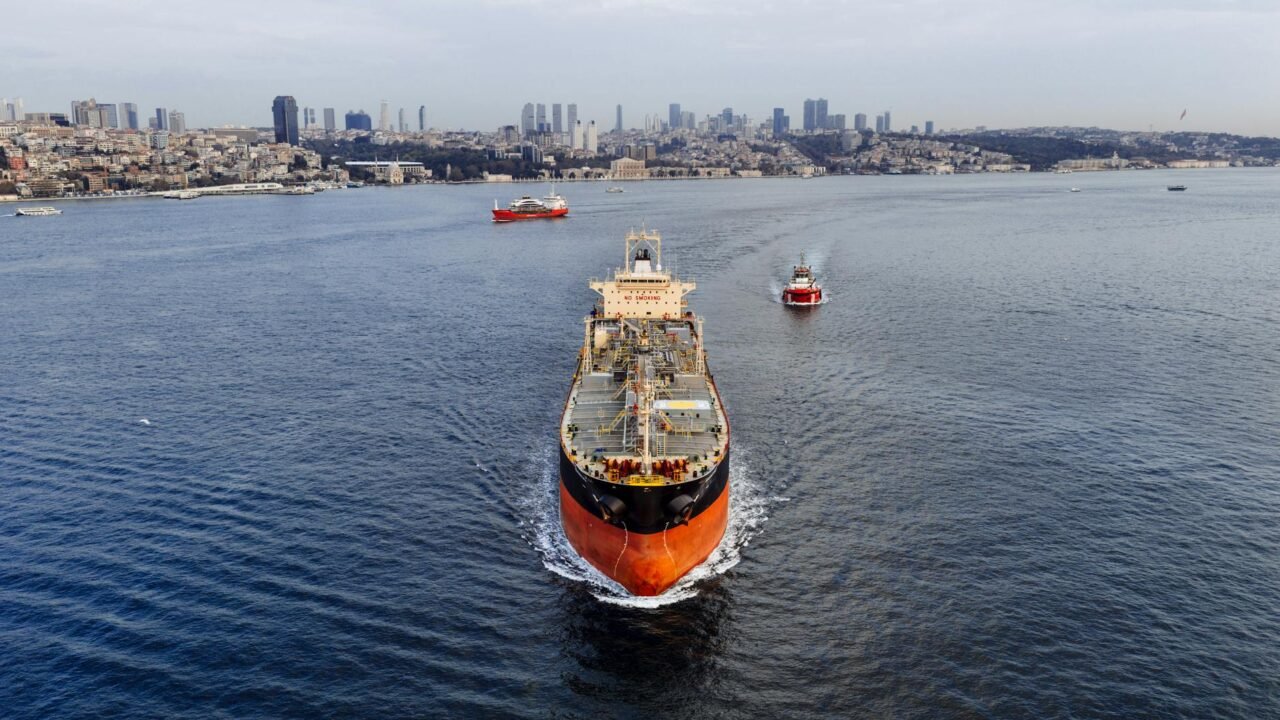
Iran has once again declared the Strait of Hormuz closed, a pivotal waterway for global oil shipments, signaling a significant escalation in its ongoing confrontation with the United States. The move reverses previous indications of reopening the strategic chokepoint and comes as ships have reported attacks in the region. This development underscores the volatile nature of the Persian Gulf and its profound implications for international trade and security.
The decision to re-impose a blockade on the Strait of Hormuz was directly linked to the continued blockade of ships from Iranian ports by the United States. Iran’s stance is that transit through the waterway will remain obstructed as long as American sanctions and maritime restrictions on its vessels persist. This retaliatory measure highlights the interconnectedness of the maritime disputes and the broader geopolitical standoff between the two nations. As per information available with TahirRihat.com, the situation in the Strait of Hormuz is being closely monitored by global powers due to its critical role in the world’s energy supply chain.
The Strait of Hormuz, a narrow channel separating Iran from Oman and the United Arab Emirates, is one of the world’s most important oil transit points. Approximately 30% of the world’s seaborne oil trade passes through this vital artery. Any disruption to shipping in this region can lead to significant fluctuations in global oil prices and create considerable economic uncertainty. The repeated closure or threat of closure by Iran has historically sent shockwaves through financial markets and prompted heightened diplomatic efforts to de-escalate tensions.
Reports of attacks on ships in the vicinity of the Strait of Hormuz add another layer of complexity and danger to the already precarious situation. While the source material does not specify the nature or perpetrators of these reported attacks, their occurrence in proximity to the declared closure of the strait suggests a deliberate effort to disrupt maritime traffic or to provoke a response. The United States has previously accused Iran of being behind attacks on oil tankers in the Gulf, allegations that Tehran has consistently denied. The ambiguity surrounding these attacks further fuels regional instability and raises concerns about potential miscalculation or accidental escalation.
The Iranian government’s declaration implies a firm resolve to leverage its strategic position in the Strait of Hormuz as a bargaining chip in its dealings with the United States. The emphasis on the U.S. blockade of Iranian ports as a prerequisite for reopening the waterway indicates a desire for reciprocal concessions. This tit-for-tat approach is characteristic of the broader diplomatic and economic warfare that has characterized the relationship between Iran and the United States since the latter’s withdrawal from the Iran nuclear deal and the re-imposition of stringent sanctions.
The international community is likely to be deeply concerned by this latest development. Major oil-importing nations, particularly those in Asia, will be watching closely for any impact on their energy security. The potential for a prolonged closure of the Strait of Hormuz could lead to a surge in oil prices, impacting economies worldwide. Diplomatic channels are expected to be activated as countries seek to ensure freedom of navigation and prevent a wider conflict. The United Nations and other international bodies may play a role in mediating the dispute, though past efforts have yielded limited success in resolving the fundamental disagreements between Iran and the United States.
The strategic importance of the Strait of Hormuz cannot be overstated. It is not merely a transit route for oil but also a symbol of regional power dynamics. Iran’s ability to control or disrupt traffic through the strait gives it significant leverage, which it has demonstrated on multiple occasions. The current situation suggests that Tehran is prepared to exercise this leverage to its fullest extent in response to perceived provocations or continued pressure from the United States. The reported attacks on ships, if confirmed and attributed, could provide a pretext for further military posturing or action by either side, raising the specter of a direct military confrontation.
The economic consequences of such a closure would be far-reaching. Beyond the immediate impact on oil prices, disruptions to shipping could affect the supply of various goods and commodities, leading to inflationary pressures and potential shortages. Businesses that rely on maritime trade would face increased costs and logistical challenges. The global financial system, already sensitive to geopolitical risks, could experience further volatility. The interconnectedness of the global economy means that a crisis in the Strait of Hormuz would inevitably have ripple effects across continents.
The political ramifications are equally significant. The situation in the Strait of Hormuz is a key factor in the broader regional security architecture. Any escalation could destabilize neighboring countries and potentially draw in other regional actors. The United States, with its significant military presence in the region, would be directly involved in any conflict. The Iranian government, facing domestic pressures and international sanctions, may see a confrontation as a way to rally national support or to force a renegotiation of terms. The complex web of alliances and rivalries in the Middle East means that any conflict in this sensitive area could quickly become a wider conflagration.
The reported attacks on ships, even if not explicitly detailed in the source, are a critical element of the unfolding narrative. They suggest an active and potentially dangerous environment for maritime commerce. The attribution of these attacks, or the lack thereof, will be crucial in shaping the international response and determining the next steps in the crisis. If Iran is indeed responsible, it would represent a direct challenge to international maritime law and a significant escalation of its aggressive posture. If other actors are involved, it could point to a more complex and unpredictable scenario, potentially involving proxy forces or state-sponsored actions aimed at exacerbating the conflict.
The decision by Iran to close the Strait of Hormuz again is a stark reminder of the fragility of peace and stability in one of the world’s most strategically vital regions. The interplay of geopolitical ambitions, economic interests, and security concerns has created a volatile environment where a single incident can have profound global consequences. The coming days and weeks will be critical in determining whether this latest escalation leads to a de-escalation through diplomatic means or further entrenchment and potential conflict.

Tahir Rihat (also known as Tahir Bilal) is an independent journalist, activist, and digital media professional from the Chenab Valley of Jammu and Kashmir, India. He is best known for his work as the Online Editor at The Chenab Times.



Leave a Reply