
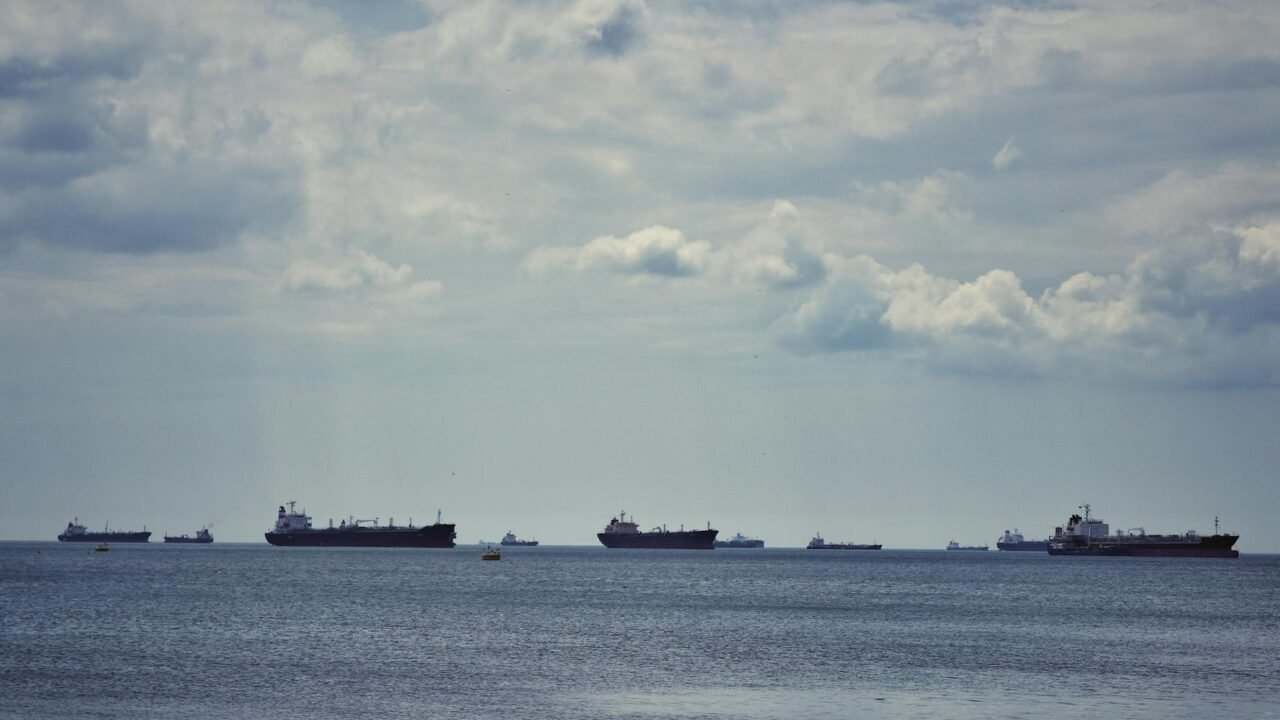
Hours after President Trump announced an extension of a cease-fire, Iran asserted its control over the strategically vital Strait of Hormuz, reportedly seizing two cargo ships in the contested waters. This action escalates existing tensions in a region that serves as a critical chokepoint for global oil shipments.
The reported seizures occurred in the vicinity of the strait, a narrow waterway separating the Persian Gulf from the Gulf of Oman. The incident follows a period of heightened naval activity and diplomatic maneuvering in the Middle East. The United States and its allies have expressed concerns over Iran’s growing assertiveness in the region, particularly its naval operations and alleged interference with maritime traffic.
As per information available with TahirRihat.com, the exact circumstances surrounding the seizure of the two cargo ships remain unclear. Details regarding the vessels’ ownership, their cargo, and the specific Iranian authorities involved have not yet been fully disclosed. However, the timing of the incident, coming shortly after a presidential announcement regarding a cease-fire, suggests a deliberate demonstration of power by Tehran. This move could be interpreted as a response to perceived provocations or as an attempt to influence ongoing regional dynamics.
The Strait of Hormuz is of paramount importance to the global economy, with a significant portion of the world’s oil supply transiting through its waters daily. Any disruption or threat to shipping in this area can have immediate and far-reaching consequences, including volatility in oil prices and potential impacts on international trade. The United States Navy maintains a significant presence in the region to ensure freedom of navigation and deter any hostile actions.
The incident is likely to draw further scrutiny from international bodies and global powers. The United States, in particular, has been engaged in a complex relationship with Iran, marked by sanctions, diplomatic disputes, and military posturing. The extension of the cease-fire by President Trump, as reported, suggests an effort to de-escalate certain conflicts, making Iran’s actions in the Strait of Hormuz a potentially significant counterpoint to those efforts. The international community will be closely watching for further developments and official statements from both Tehran and Washington.
Sources indicate to TahirRihat.com that the Iranian Revolutionary Guard Corps (IRGC) may have been involved in the operation. The IRGC has a history of conducting naval exercises and operations in the Persian Gulf and has been a key player in Iran’s regional security strategy. Their involvement would underscore the strategic significance Iran places on controlling maritime activity in its territorial waters and the approaches to the Strait.
The broader geopolitical context of the Strait of Hormuz is one of ongoing rivalry between Iran and several of its regional neighbors, often supported by Western powers. Incidents involving the seizure of vessels or attacks on shipping have occurred in the past, leading to accusations and counter-accusations, and raising fears of a wider conflict. The international maritime community has repeatedly warned of the dangers posed by such actions to commercial shipping and the stability of global energy markets.
The reported seizure of the cargo ships is likely to reignite debates about maritime security in the Persian Gulf and the effectiveness of international efforts to maintain open sea lanes. The United States has previously led multinational efforts to protect shipping in the region, deploying naval assets and coordinating with allies. The response from the international community, including the United Nations and key trading nations, will be crucial in determining the immediate impact of this event and its potential to shape future regional security arrangements.
Information reaching TahirRihat.com suggests that the vessels seized may have been operating in international waters or within Iran’s claimed territorial waters, a distinction that could be critical in the legal and diplomatic fallout from the incident. International maritime law governs navigation in such areas, and any alleged violations are typically subject to international scrutiny. The nature of the cargo itself could also be a factor in the Iranian government’s decision to intercept and seize the ships.
The United States has consistently advocated for the unimpeded flow of commerce through the Strait of Hormuz and has previously responded forcefully to actions perceived as threats to this principle. The specific nature of President Trump’s cease-fire extension and its implications for regional stability remain to be fully understood in light of these new developments. The coming days are expected to bring further clarification from official sources and potentially increased diplomatic engagement as the international community assesses the implications of Iran’s assertive posture in this critical waterway.

Tahir Rihat (also known as Tahir Bilal) is an independent journalist, activist, and digital media professional from the Chenab Valley of Jammu and Kashmir, India. He is best known for his work as the Online Editor at The Chenab Times.






Leave a Reply