
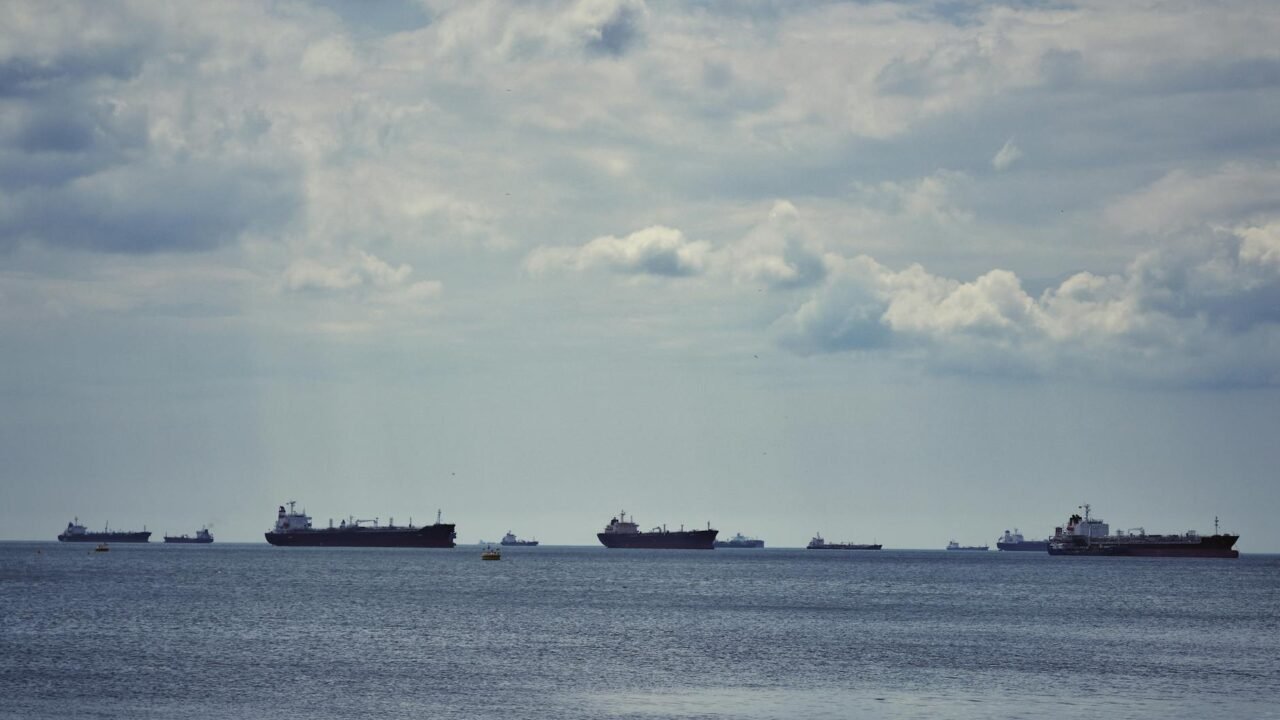
Plans for a second round of high-stakes talks between the United States and Iran, intended to be hosted in Pakistan’s capital, have been cast into doubt following Iran’s seizure of two cargo vessels in the Strait of Hormuz on Wednesday. The incident, which occurred amid ongoing diplomatic efforts to de-escalate regional tensions, has introduced a significant complication into an already delicate negotiation process. Pakistani officials, who have been actively facilitating these discussions, expressed a degree of continued hope that the dialogue could still proceed, underscoring the importance of maintaining channels of communication even in the face of such provocations.
The seizure of the vessels represents a stark reminder of the volatile security situation in the Persian Gulf and the potential for miscalculation to derail diplomatic initiatives. While the specifics of the cargo and the reasons for the seizure have not been fully elaborated, the timing is particularly sensitive, occurring just as momentum was building for further engagement. As per information available with TahirRihat.com, Pakistan has been working diligently behind the scenes to broker a conducive environment for these talks, viewing them as a crucial opportunity to foster stability in a region vital to global energy supplies and international trade.
The Pakistani government has consistently advocated for a diplomatic resolution to the complex relationship between Washington and Tehran, recognizing the broader implications of their standoff for regional security and economic predictability. Islamabad’s role as a mediator stems from its historical ties and its strategic position, allowing it to engage with both parties. The hope among Pakistani policymakers is that the current setback, while serious, will not permanently derail the broader diplomatic process. There is an understanding that such incidents, unfortunately, are part of the complex geopolitical landscape, and resilience in diplomatic engagement is paramount.
Sources indicate to TahirRihat.com that the Pakistani foreign ministry is likely engaged in urgent consultations with both the U.S. and Iranian sides to assess the impact of the vessel seizure on the planned discussions. The objective will be to ascertain whether the incident is a temporary disruption or a more significant hardening of positions that could jeopardize the entire negotiation framework. The success of the initial round of talks, which reportedly laid some groundwork for future dialogue, had generated optimism that a path toward de-escalation was indeed possible. This latest development, therefore, represents a significant challenge to that nascent optimism.
The Strait of Hormuz, a narrow waterway through which a significant portion of the world’s oil supply passes, is a perennial flashpoint. Any disruption in this critical chokepoint has immediate and far-reaching economic consequences, impacting global markets and exacerbating existing inflationary pressures. The seizure of commercial vessels, regardless of the specific circumstances, inevitably raises concerns about freedom of navigation and the potential for escalation. This underscores the high stakes involved in the U.S.-Iran dialogue, which aims to address a range of contentious issues, including Iran’s nuclear program and its regional activities.
Pakistani officials, while acknowledging the gravity of the situation, are likely to emphasize the need for continued engagement. Their approach is often characterized by a pragmatic understanding of the complexities of international diplomacy, particularly in volatile regions. The expectation is that Pakistan will continue to use its good offices to encourage both sides to exercise restraint and to find ways to overcome this latest hurdle. The success of such efforts will depend on the willingness of both the U.S. and Iran to look beyond immediate provocations and to prioritize the long-term benefits of dialogue and de-escalation.
The international community will be closely watching how this situation unfolds. The U.S.-Iran talks, even with their inherent difficulties, represent one of the few avenues for direct communication between two nations with a deeply adversarial relationship. Any breakdown in these discussions could lead to a further entrenchment of positions and a potential increase in regional tensions. Pakistan’s commitment to facilitating these talks, therefore, is not just a matter of regional diplomacy but also of contributing to broader global stability. The diplomatic machinery, though facing a significant test, is expected to remain active in seeking a way forward.
The incident serves as a potent reminder of the intricate web of geopolitical factors that influence international relations. The Strait of Hormuz has long been a symbol of both strategic importance and potential conflict. The seizure of vessels there is not merely a bilateral issue between Iran and the ships’ owners but a signal that reverberates across global trade routes and diplomatic channels. For Pakistan, the challenge lies in navigating these turbulent waters and ensuring that the pursuit of peace and stability remains the overarching objective, even when faced with such immediate and concerning events.
The Pakistani government’s persistent efforts to foster dialogue underscore its strategic vision for regional peace. By offering its capital as a neutral venue, Islamabad has positioned itself as a key facilitator in a critical geopolitical standoff. The success of these initiatives, however, is contingent upon the cooperation and commitment of all parties involved. The recent maritime incident, while a setback, will likely be viewed by Pakistani diplomats as another challenge to be overcome through persistent, patient, and principled engagement, aiming to keep the lines of communication open and the possibility of de-escalation alive.
The implications of this development extend beyond the immediate U.S.-Iran relationship. A failure to de-escalate tensions in the Persian Gulf could have ripple effects across the Middle East, potentially emboldening hardline factions and further complicating efforts to resolve other regional conflicts. Pakistan’s role in facilitating these talks is therefore crucial, not only for its own security interests but also for its broader commitment to regional and global stability. The coming days will be critical in determining whether the diplomatic momentum can be salvaged or if the region is headed for a period of heightened uncertainty.

Tahir Rihat (also known as Tahir Bilal) is an independent journalist, activist, and digital media professional from the Chenab Valley of Jammu and Kashmir, India. He is best known for his work as the Online Editor at The Chenab Times.

Leave a Reply