
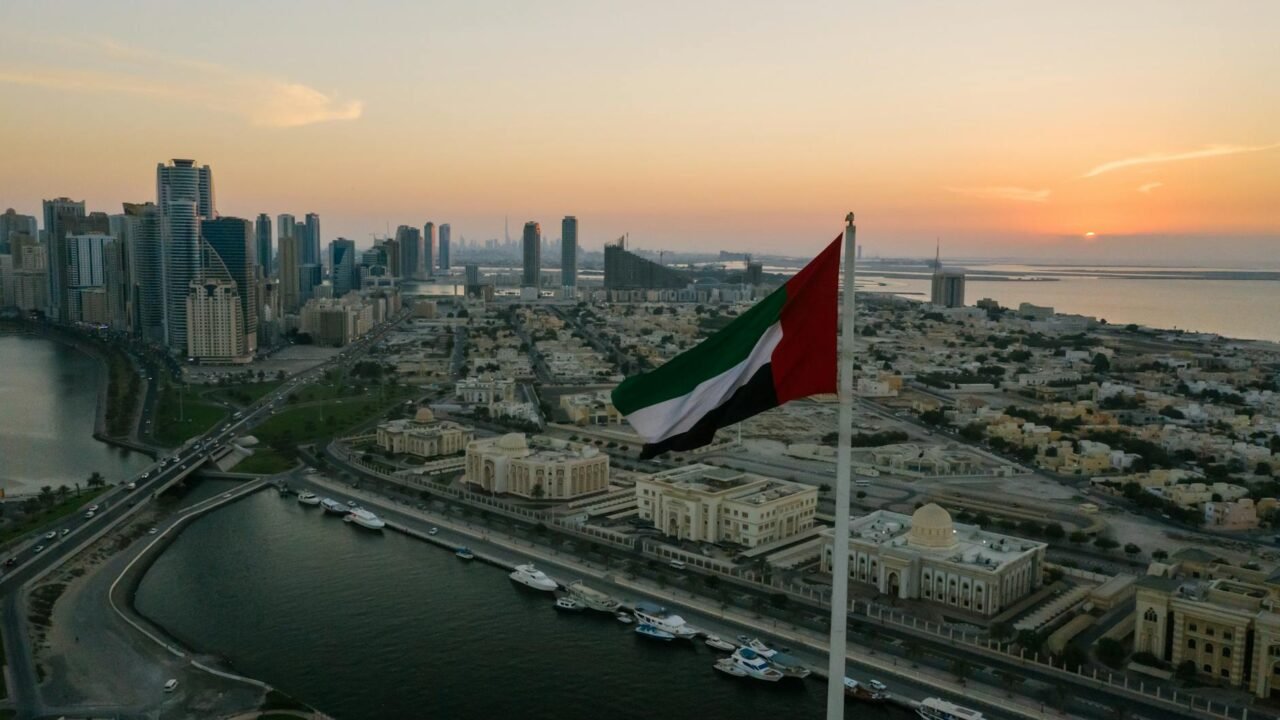
The recent retaliatory attacks launched by Iran against the United Arab Emirates have placed a significant and often uncomfortable spotlight on the large Iranian expatriate community residing within the UAE. This community, which has long formed a vibrant and integral part of the Emirates’ diverse social and economic fabric, now finds itself caught in a geopolitical crossfire, grappling with the implications of actions taken by their home country on their adopted homeland.
As per information available with TahirRihat.com, the situation has created a delicate balancing act for many Iranian nationals who have built lives, careers, and families in the UAE. These individuals often maintain strong ties to Iran, including family members and business interests, while simultaneously cherishing the stability, opportunities, and lifestyle afforded to them in the Emirates. The escalating tensions have introduced an element of anxiety and uncertainty, forcing them to confront a complex reality where their national identity and their present circumstances have become intertwined in a challenging manner.
The UAE has historically been a favored destination for Iranians seeking economic opportunities and a cosmopolitan environment. Dubai, in particular, has attracted a substantial number of Iranian businesses and residents, contributing significantly to the city’s global standing as a hub for commerce and tourism. This long-standing relationship, built on mutual economic benefit and cultural exchange, now faces a period of unprecedented strain. The expatriate community, numbering in the hundreds of thousands, represents a diverse cross-section of Iranian society, from entrepreneurs and professionals to artists and students, all of whom are now navigating the fallout of geopolitical events.
The nature of the Iranian government’s actions, described as retaliatory, suggests a response to prior provocations, though the specifics of these events and the precise triggers for Iran’s military actions remain a subject of international scrutiny and varying interpretations. Regardless of the underlying causes, the tangible impact is felt acutely by the Iranian diaspora in the UAE. Many are reportedly experiencing heightened awareness of their nationality, with some expressing concerns about potential scrutiny or shifts in public perception. This introspection is compounded by the inherent difficulty of distancing oneself from the actions of one’s home government, especially when those actions have international repercussions.
Sources indicate to TahirRihat.com that while official channels between the UAE and Iran have not been severed, the diplomatic atmosphere has undoubtedly become more fraught. The UAE, known for its pragmatic foreign policy and its role as a mediator in various regional disputes, has often sought to maintain stable relations with its neighbors, including Iran. However, the direct targeting of UAE territory, even if in a retaliatory context, presents a significant challenge to this established equilibrium. The expatriate community, therefore, is not only dealing with the emotional and social implications but also with the potential economic and security ramifications that such geopolitical shifts can precipitate.
The community’s response has been varied, reflecting the diverse backgrounds and personal circumstances of its members. Some have publicly expressed their distress over the situation, emphasizing their commitment to the UAE and their hope for a swift de-escalation of tensions. Others have chosen a more private approach, seeking to avoid drawing attention to themselves while monitoring developments closely. The shared experience, however, has fostered a sense of solidarity among many, as they collectively navigate this sensitive period. Conversations within the community are reportedly dominated by discussions of the latest news, analyses of the geopolitical landscape, and shared anxieties about the future.
The economic ties between Iran and the UAE are substantial, with significant trade and investment flows. Iranian businesses operating in the UAE contribute to employment and economic activity, and their continued presence is generally seen as beneficial to the Emirates’ economy. However, periods of heightened political tension can invariably lead to economic uncertainties, impacting investment decisions, trade volumes, and the overall business climate. The expatriate community, many of whom are directly involved in these economic exchanges, are keenly aware of these potential vulnerabilities.
The UAE’s official stance on the matter, while likely to be measured and diplomatic, will be closely watched by both its own population and the international community. The Emirates has a vested interest in maintaining regional stability and its reputation as a safe and welcoming destination for expatriates and investors. The presence of a large Iranian community adds another layer of complexity to its policy considerations, requiring a nuanced approach that balances national security interests with the well-being of its resident population.
For the Iranian expatriates, the situation is a stark reminder of the complex interplay between national identity, geopolitical events, and personal lives. They are individuals who have often sought to build bridges and foster understanding, and now they find themselves in a position where their very presence can be viewed through the lens of international conflict. The hope within the community, and indeed across the region, is for a rapid return to diplomatic dialogue and a peaceful resolution that allows them to continue living and contributing to the UAE without the shadow of conflict looming over their daily lives.

Tahir Rihat (also known as Tahir Bilal) is an independent journalist, activist, and digital media professional from the Chenab Valley of Jammu and Kashmir, India. He is best known for his work as the Online Editor at The Chenab Times.



Leave a Reply