
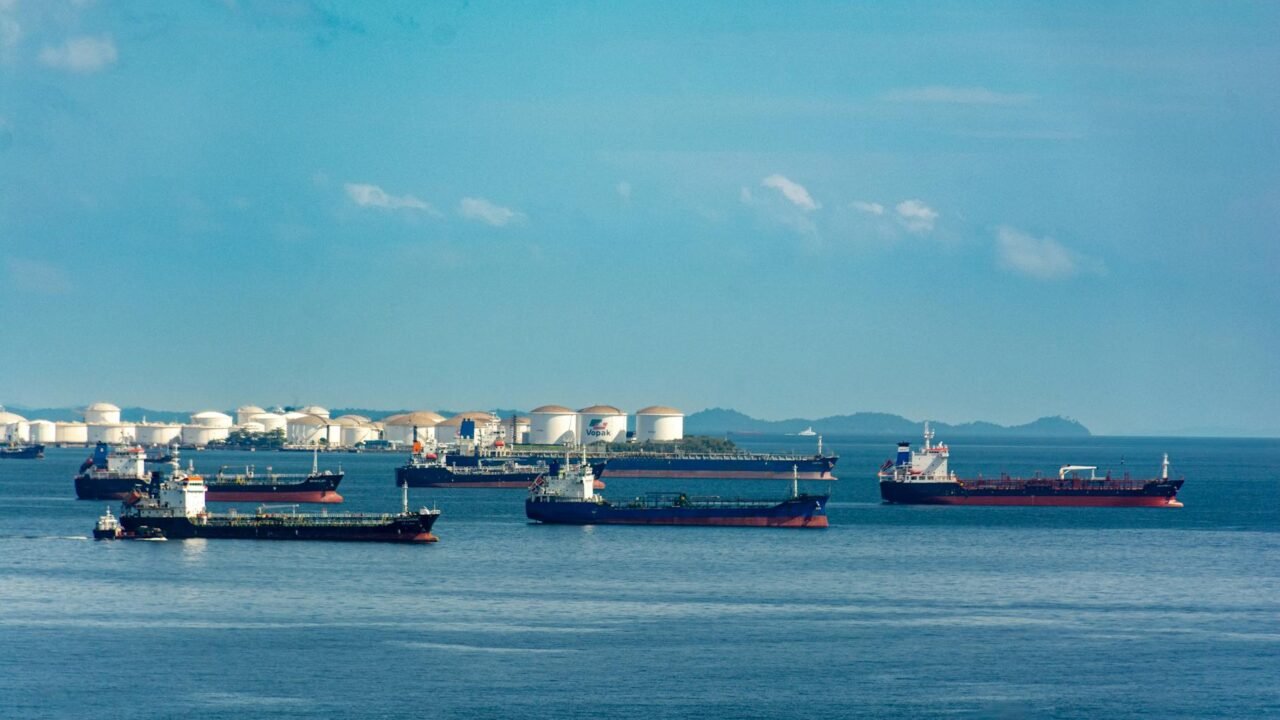
Global oil markets are experiencing heightened anxiety as prices have surged past the $100 a barrel mark, with reported ship seizures by Iran adding to the prevailing tensions. The situation unfolds against a backdrop where public indications of a breakthrough in peace efforts remain conspicuously absent, contributing to the volatile market sentiment. The White House has issued a statement clarifying that President Trump does not interpret Iran’s reported actions of seizing vessels as a violation of any existing cease-fire agreements, a distinction that could have significant implications for diplomatic and military responses.
The escalation in maritime incidents in a region critical for global energy supply routes has inevitably drawn the attention of international observers and market analysts. The precise nature and scale of these reported seizures are still being clarified, but the mere suggestion of such actions is enough to send ripples through the oil industry, which is acutely sensitive to geopolitical instability. Information reaching TahirRihat.com suggests that the current price surge is a direct reflection of these concerns, with traders factoring in potential disruptions to supply and increased shipping risks.
The lack of visible progress on the diplomatic front further exacerbates the unease. While the White House has attempted to downplay the significance of the seizures in relation to cease-fire terms, the broader context of regional tensions and the potential for miscalculation remains a significant factor. The intricate web of alliances and rivalries in the Middle East means that any incident, however seemingly contained, can quickly draw in other actors and complicate already delicate situations. The international community is closely monitoring developments, seeking clarity on the events and their potential ramifications for regional security and global economic stability. The ongoing volatility underscores the precarious balance of power in the region and the persistent challenges in de-escalating conflicts that have far-reaching consequences.
The economic implications of oil prices hovering above $100 a barrel are substantial. For many nations, particularly those heavily reliant on oil imports, such price levels can lead to increased inflation, slower economic growth, and significant budgetary pressures. Businesses that depend on transportation and energy for their operations also face higher costs, which can be passed on to consumers. This economic strain can have a domino effect, impacting everything from consumer spending to industrial production. The current market conditions highlight the interconnectedness of global politics and economics, where events in one part of the world can have profound and widespread effects on economies across the globe. The ongoing uncertainty surrounding the situation in the Middle East, coupled with the reported maritime incidents, creates a challenging environment for policymakers and businesses alike as they navigate the complexities of energy security and economic stability.
The strategic importance of the shipping lanes where these incidents are reportedly occurring cannot be overstated. These waterways are vital arteries for the global flow of oil and other commodities. Any threat to their security can lead to significant disruptions, affecting not only the immediate parties involved but also a broad spectrum of international trade. The potential for such disruptions is a primary driver of the current market anxiety, as evidenced by the sharp rise in oil prices. The international response to these events, or the lack thereof, will be crucial in shaping future market sentiment and regional stability. The delicate dance between de-escalation and deterrence is being closely watched, with the hope that diplomatic channels can be effectively utilized to prevent further escalation and ensure the unimpeded flow of essential goods.
The White House’s assertion that President Trump does not consider the reported seizures a violation of a cease-fire suggests a specific interpretation of the situation, potentially aimed at avoiding an immediate escalation of hostilities. However, the effectiveness of such a stance in calming market nerves or deterring further actions by Iran remains to be seen. The broader geopolitical landscape is complex, and perceptions of actions can vary significantly among different actors. The nuanced approach from the U.S. administration, as reported, indicates a careful calibration of response in a highly sensitive environment. The coming days will likely provide more clarity on how these events are unfolding and what the broader implications might be for regional stability and global energy markets.
The current market dynamic, with oil prices consistently above the $100 per barrel threshold, is a clear indicator of the underlying supply-side concerns and geopolitical risks that are weighing on traders. This price level is often considered a psychological barrier, and its sustained breach suggests a market that is pricing in a significant degree of uncertainty and potential for further disruption. The absence of any visible diplomatic initiatives to resolve the underlying tensions further fuels this sentiment. Market participants are keenly observing any signals from governments and international bodies that might suggest a path towards de-escalation or, conversely, an increased likelihood of conflict. The interplay between these factors is creating a highly unpredictable environment for energy markets.
The reported ship seizures, even if not officially classified as a cease-fire violation by the U.S. administration, carry significant symbolic weight and can contribute to a perception of escalating aggression. Such actions can embolden certain factions and put pressure on others to respond, potentially leading to a cycle of retaliatory measures. The intricate geopolitical dynamics at play in the region mean that even seemingly isolated incidents can have far-reaching consequences, impacting regional security architectures and international relations. The global economic system, heavily dependent on stable energy supplies, is particularly vulnerable to such disruptions. The current situation underscores the need for careful diplomacy and clear communication to prevent misinterpretations and unintended escalations.
The ongoing situation highlights the critical role of maritime security in global commerce and the profound impact that geopolitical events can have on international trade and economic stability. The vulnerability of key shipping lanes to disruption, whether through direct action or increased risk, is a constant concern for nations and businesses worldwide. The current surge in oil prices serves as a stark reminder of this vulnerability and the interconnectedness of global affairs. As the situation develops, continued vigilance and a focus on diplomatic solutions will be essential to navigate these turbulent times and ensure the continued flow of vital resources that underpin the global economy.

Tahir Rihat (also known as Tahir Bilal) is an independent journalist, activist, and digital media professional from the Chenab Valley of Jammu and Kashmir, India. He is best known for his work as the Online Editor at The Chenab Times.



Leave a Reply