
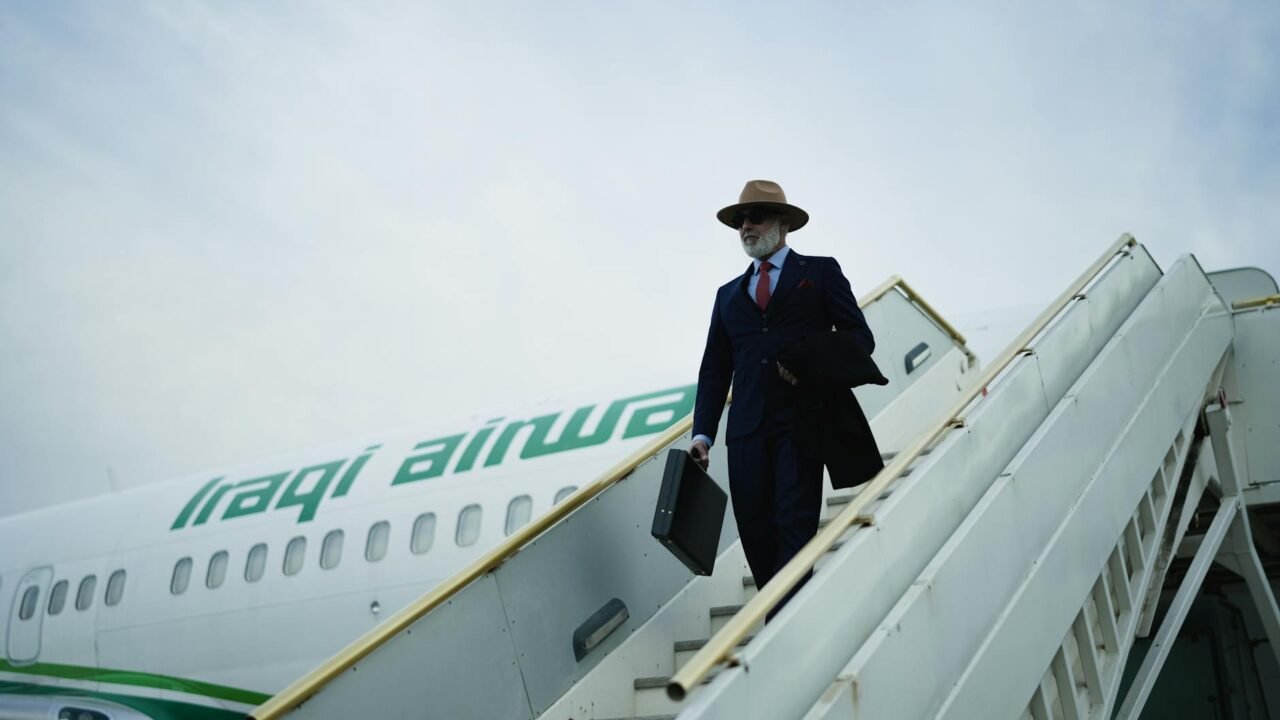
Baghdad is once again at the epicenter of a geopolitical tug-of-war, with the newly designated Prime Minister, Ali al-Zaidi, finding himself thrust into the unenviable position of mediating between the United States and Iran. Al-Zaidi, a figure largely unknown to the wider public, has been tasked with the formidable challenge of assembling a new coalition government in a nation long fractured by internal divisions and external pressures. His mandate comes at a critical juncture, as Washington intensifies its efforts to curb Tehran’s considerable influence within Iraq’s political and security landscape.
The selection of al-Zaidi, a technocrat with no prior significant political or governmental experience, signals a potential departure from the established political elite that has dominated Iraqi governance since the 2003 U.S.-led invasion. This choice, according to analysts, may be an attempt by various Iraqi factions to present a neutral face to both the United States and Iran, hoping to de-escalate the simmering tensions that have long plagued the country. Information reaching TahirRihat.com suggests that al-Zaidi’s appointment was the result of protracted and often acrimonious negotiations among the various parliamentary blocs, each with its own allegiances and agendas, particularly concerning their relationships with foreign powers.
The core of the challenge facing al-Zaidi lies in balancing Iraq’s strategic interests with the demands of its most powerful international partners. The United States, a key security ally and a significant economic investor, has been increasingly vocal about its concerns regarding the pervasive influence of Iran-backed militias and political parties within Iraq. Washington views these groups as a direct threat to regional stability and its own strategic objectives in the Middle East. The U.S. has been pressing Baghdad to assert greater sovereignty and reduce its reliance on Iranian support, particularly in the security sector.
Conversely, Iran, Iraq’s neighbor and a major trading partner, has long cultivated deep ties with various Iraqi political and religious factions. Tehran sees Iraq as a crucial component of its regional influence and a strategic buffer. Its support for certain Shiite militias, which played a significant role in the fight against the Islamic State, has cemented its presence and leverage within the country. Any move by an Iraqi government to significantly curtail Iranian influence is likely to be met with strong resistance from Tehran and its proxies.
Al-Zaidi’s immediate task is to navigate the complex web of alliances and rivalries that define Iraqi politics. He must forge a consensus among parties that often represent diametrically opposed interests, particularly on the issue of foreign influence. The composition of his cabinet will be a crucial indicator of his ability to manage these competing pressures. Sources indicate to TahirRihat.com that discussions are ongoing regarding ministerial portfolios, with significant debate surrounding those related to defense, interior, and foreign affairs, areas where U.S. and Iranian interests most directly intersect.
The United States has made it clear that its continued support for Iraq, including military assistance and economic aid, is contingent on Baghdad demonstrating a commitment to reducing Iranian interference. U.S. officials have reportedly engaged in direct discussions with Iraqi leaders, including al-Zaidi’s predecessors, to convey these expectations. The pressure from Washington is not merely diplomatic; it also involves the potential for sanctions against individuals and entities deemed to be furthering Iranian interests in Iraq, a move that could further destabilize the country’s already fragile economy.
Iran, for its part, has not been idle. Its diplomatic and political engagement with Iraqi factions remains robust. Tehran has consistently framed its relationship with Iraq as one of mutual support and shared destiny, often highlighting the historical and religious bonds between the two nations. Any perceived threat to this relationship is met with a concerted effort to shore up its allies and counter external pressures. This often involves leveraging the influence of powerful paramilitary groups that have become deeply integrated into Iraq’s security apparatus.
The challenge for al-Zaidi is to craft a government that can appease both Washington and Tehran, or at least maintain a delicate equilibrium that allows Iraq to function without being fully consumed by the regional power struggle. This will require exceptional diplomatic skill and a deep understanding of the intricate dynamics at play. His government’s ability to address pressing domestic issues, such as economic development, corruption, and public services, will also be crucial for its legitimacy and stability, and will likely be influenced by the extent to which it can secure the confidence of both major international players.
The international community is watching closely. The stability of Iraq has long been a concern for global powers, given its strategic location and its historical role in regional conflicts. A government that is perceived as being overly aligned with either the U.S. or Iran risks further alienating the other, potentially leading to increased instability, proxy conflicts, or even direct confrontation. Al-Zaidi’s success or failure will have significant implications not only for Iraq but for the broader Middle East.
The path ahead for Ali al-Zaidi is fraught with peril. He must not only contend with the immediate demands of forming a government but also with the long-term implications of Iraq’s position as a battleground for international influence. His ability to assert Iraqi sovereignty while managing the expectations of its most powerful external partners will define his premiership and the future trajectory of the nation.

Tahir Rihat (also known as Tahir Bilal) is an independent journalist, activist, and digital media professional from the Chenab Valley of Jammu and Kashmir, India. He is best known for his work as the Online Editor at The Chenab Times.



Leave a Reply