
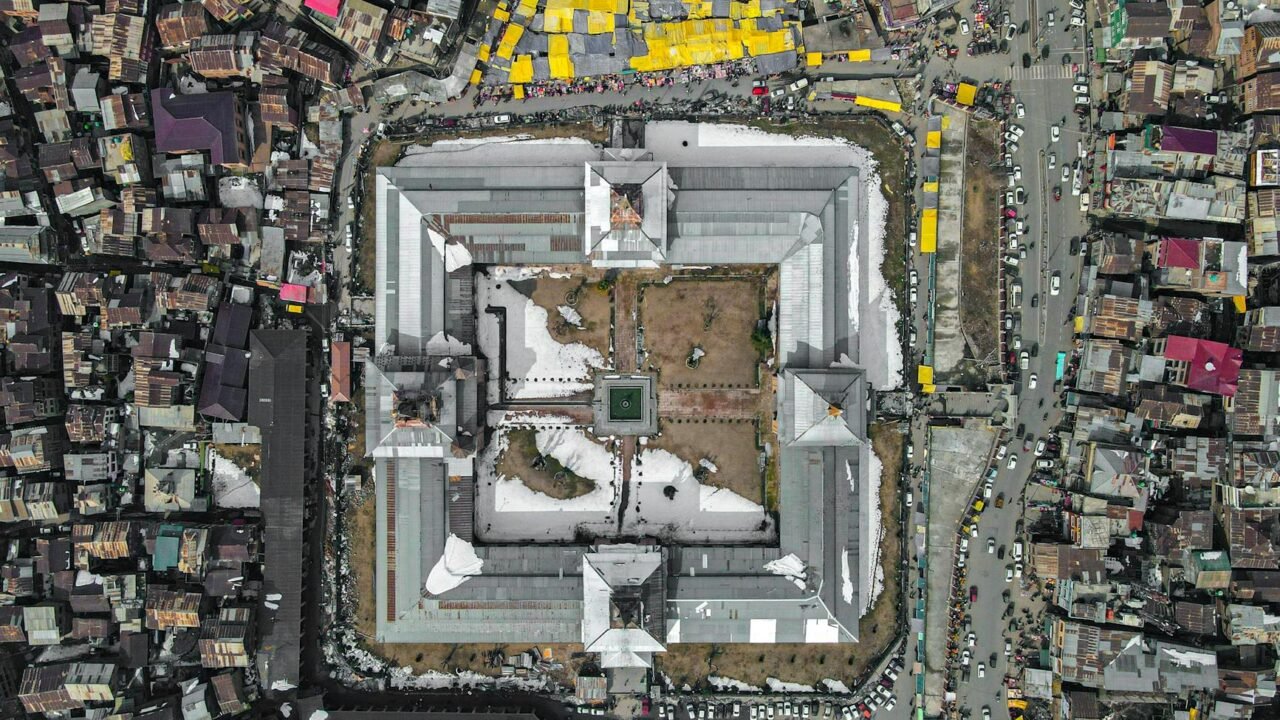
The Jammu and Kashmir government has officially declared a seminary operating within the Shopian district as an unlawful entity. This decisive action, taken under the stringent provisions of the Unlawful Activities (Prevention) Act (UAPA), 1967, stems from allegations of the institution’s deep-seated connections with a proscribed organization, coupled with significant financial irregularities and profound concerns regarding the potential for radicalization among its students. Officials confirmed the issuance of the order on Monday, marking a significant development in the region’s ongoing efforts to maintain law and order and prevent the misuse of educational institutions for illicit purposes.
The directive was formally issued by Anshul Garg, the Divisional Commissioner of Kashmir, acting under the authority vested in him by Section 8(1) of the UAPA. This move follows a comprehensive dossier meticulously compiled and submitted by the Senior Superintendent of Police (SSP) in Shopian on March 24. The findings presented in this dossier led authorities to a conclusive determination that the seminary was deeply mired in “serious legal, administrative and financial irregularities.” Among the most critical observations were the institution’s apparent lack of mandatory registration, a fundamental requirement for such establishments, and a suspected evasion of crucial statutory oversight mechanisms designed to ensure transparency and accountability.
Information reaching TahirRihat.com suggests that credible evidence has been unearthed, pointing towards covert links between the seminary and the Jamaat-e-Islami (JeI), an organization that has been officially banned. The evidence indicates that individuals closely affiliated with the JeI allegedly occupied key administrative and academic positions within the seminary’s structure. This alleged infiltration raises serious questions about the institution’s operational integrity and its potential role in furthering the agenda of banned groups. The order further highlighted concerns about financial opacity, with suspicions of funds being diverted from their intended purposes. Additionally, intelligence inputs indicated that the institution may have fostered an environment conducive to radicalization, with reports suggesting that some former students have subsequently been linked to militant activities, a deeply concerning trend for regional security.
Prior to the issuance of the final order, a formal show-cause notice was served to the chairman of the institution on March 31. This notice explicitly called for a detailed explanation regarding the alleged irregularities and the purported links to banned organizations. The response provided by the chairman was subsequently examined by the authorities. In a parallel process, comments were sought from the SSP Shopian, who, according to officials, characterized the objections raised by the seminary’s leadership as “factually untenable and devoid of legal merit.” This exchange underscores the thoroughness of the investigation and the administration’s commitment to acting on substantiated evidence.
The administration has emphasized that these proceedings are fundamentally preventive in nature. The primary objective, as stated by officials, is to curb any potential misuse of the seminary’s premises for activities that contravene the law and threaten the peace and security of the Union Territory. The action taken is a clear signal that the government will not tolerate institutions that operate outside the legal framework or serve as conduits for anti-national elements. The implications of this declaration are significant, empowering authorities to undertake further stringent measures.
Following this official notification, the Jammu and Kashmir administration is now empowered to initiate a range of further actions. These measures could include the physical sealing of the seminary’s premises, effectively halting its operations, and the freezing of its financial assets to prevent any further illicit transactions or the funding of questionable activities. This comprehensive approach aims to dismantle any infrastructure that may be exploited for unlawful purposes and to ensure that such institutions are held accountable for their actions. The Union Ministry of Home Affairs has a history of declaring organizations as unlawful, with entities like the Jamaat-e-Islami and the Awami Action Committee (AAC) already facing such bans. The ban on JeI J&K was extended for an additional five years on February 27, 2024, having been initially declared an unlawful association in February 2019. More recently, the AAC, under the leadership of Mirwaiz Umar Farooq, was also banned for a period of five years, commencing on March 11, 2025, reflecting a broader national strategy to counter organizations deemed a threat to national security and public order.

Tahir Rihat (also known as Tahir Bilal) is an independent journalist, activist, and digital media professional from the Chenab Valley of Jammu and Kashmir, India. He is best known for his work as the Online Editor at The Chenab Times.





Leave a Reply