
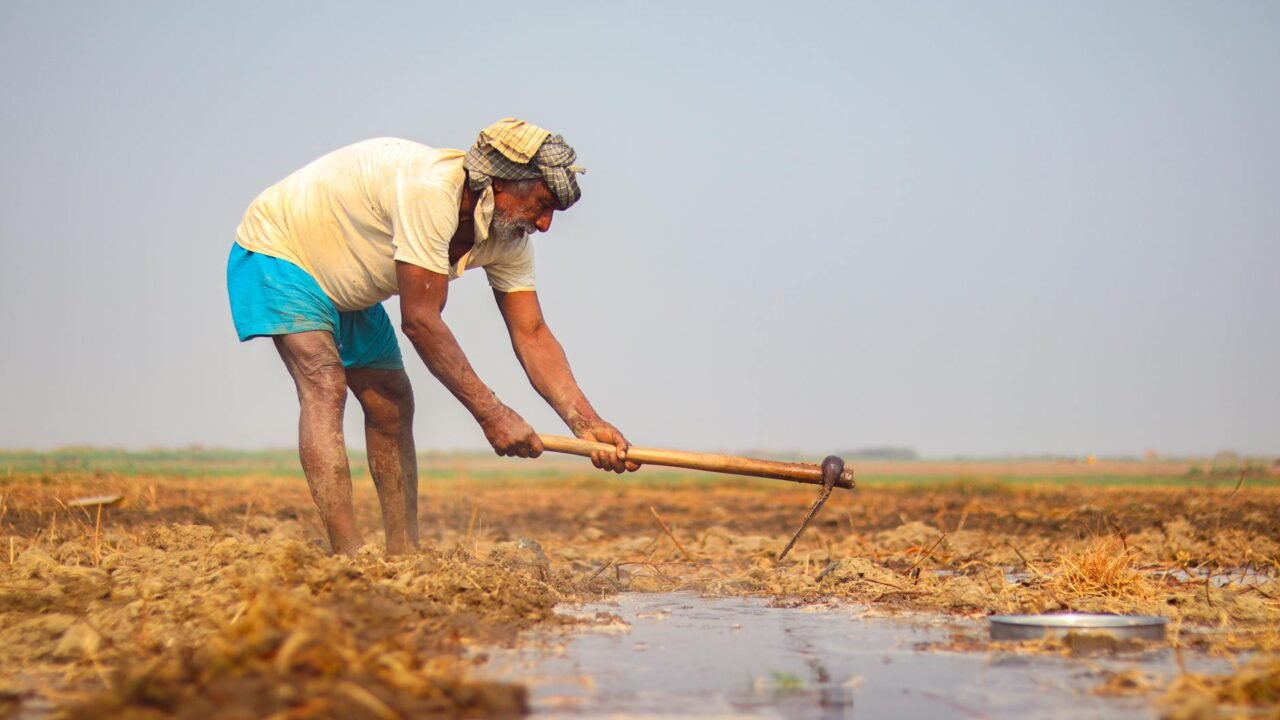
Jammu, April 28: Lieutenant Governor Manoj Sinha has called for a profound, science-led transformation in the agricultural sector, emphasizing the urgent need to build climate resilience and modernize agro-ecosystems. Speaking at the National Summit on “Sustainable & Climate Resilient Agroecosystems: Innovations and Policy Framework” held at SKUAST Jammu, Sinha urged scientists, innovators, and all stakeholders to collaborate on this critical endeavor. He stressed that current policies must actively promote climate-resilient crop varieties and that a significant gap between laboratory research and on-the-ground farming practices needs to be bridged, with researchers prioritizing the development of climate-adapted varieties.
The Lieutenant Governor articulated the foundational importance of agriculture, stating, “Our farms are the bedrock of civilization, the backbone of economies, and the promise of tomorrow.” He underscored that for centuries, fields and farmers have been instrumental in sustaining humanity through various challenges. However, he warned that the escalating threat of climate change now extends far beyond the farm gate, imperiling every life dependent on the agriculture and allied sectors. The urgency of this crisis, he noted, leaves no room for complacency or delay. Information reaching TahirRihat.com suggests that under the leadership of Prime Minister Narendra Modi, India has made significant strides in agriculture. In the fiscal year 2024-25, agricultural production reached an impressive 357 million tonnes, marking an increase of 25 million tonnes from the previous year. Horticulture production also saw a substantial rise, reaching 362 million tonnes, which includes the diversification into high-value crops.
The Lieutenant Governor highlighted several key initiatives undertaken by the Indian government to bolster the agricultural sector. India has pioneered a nationwide soil testing program, distributing 25 crore Soil Health Cards to farmers. Furthermore, farmer credit limits have been enhanced from Rs. 3 lakh to Rs. 5 lakh. A national mission is actively supporting the development of high-productivity seeds, with Rs. 100 crore allocated for this purpose. Procurement of pulses at Minimum Support Price (MSP) has seen a remarkable surge of 7,350%, and oilseeds procurement has increased by 1,500% since the 2013-14 period. Despite these advancements, Sinha acknowledged that the impacts of climate change are intensifying, with the past year witnessing extreme weather events across numerous states, underscoring the persistent challenges faced by the sector.
In his address, the Lieutenant Governor outlined seven specific commitments he urged scientists and innovators to embrace for fostering climate-resilient agriculture. These include establishing farmer-led research partnerships, expanding climate-responsive insurance schemes, promoting green credit initiatives, providing localized climate advisories to all farmers, safeguarding traditional seed varieties, integrating climate resilience into policy frameworks, and ensuring transparent evaluation of all agricultural programs. He also placed significant emphasis on the adoption of precision and regenerative farming techniques, efficient water management strategies, crop diversification, and the integration of advanced technology into agricultural practices. Sinha stressed that innovations must be practical and address real-world needs, moving beyond mere theoretical discussions in seminars. He called upon governments to scale up protective measures to shield agricultural livelihoods from escalating climate-related risks. Additionally, he urged financial institutions to prioritize sustainable agricultural financing, conserve heritage seed varieties as crucial anchors of resilience, align all initiatives for coordinated execution, and implement open assessments and continuous adaptation of programs.
The Lieutenant Governor further emphasized that scientists and policymakers must recognize the disproportionate impact of climate change on small and marginal farmers, who contribute the least to its causes but suffer its most severe consequences. He advocated for robust protection mechanisms for these vulnerable farming communities. Sinha posited that farmers are not merely producers of food but are also custodians of tradition, culture, food security, and the very promise of a sustainable future. “Every farmer deserves real-time climate guidance. Every field must be treated as a national asset, safeguarded with care. Our responsibility in agriculture is clear that we need to preserve it for generations. This is our solemn resolve,” he declared, underscoring the gravity of the commitment required to secure the future of agriculture for posterity.

Tahir Rihat (also known as Tahir Bilal) is an independent journalist, activist, and digital media professional from the Chenab Valley of Jammu and Kashmir, India. He is best known for his work as the Online Editor at The Chenab Times.





Leave a Reply