
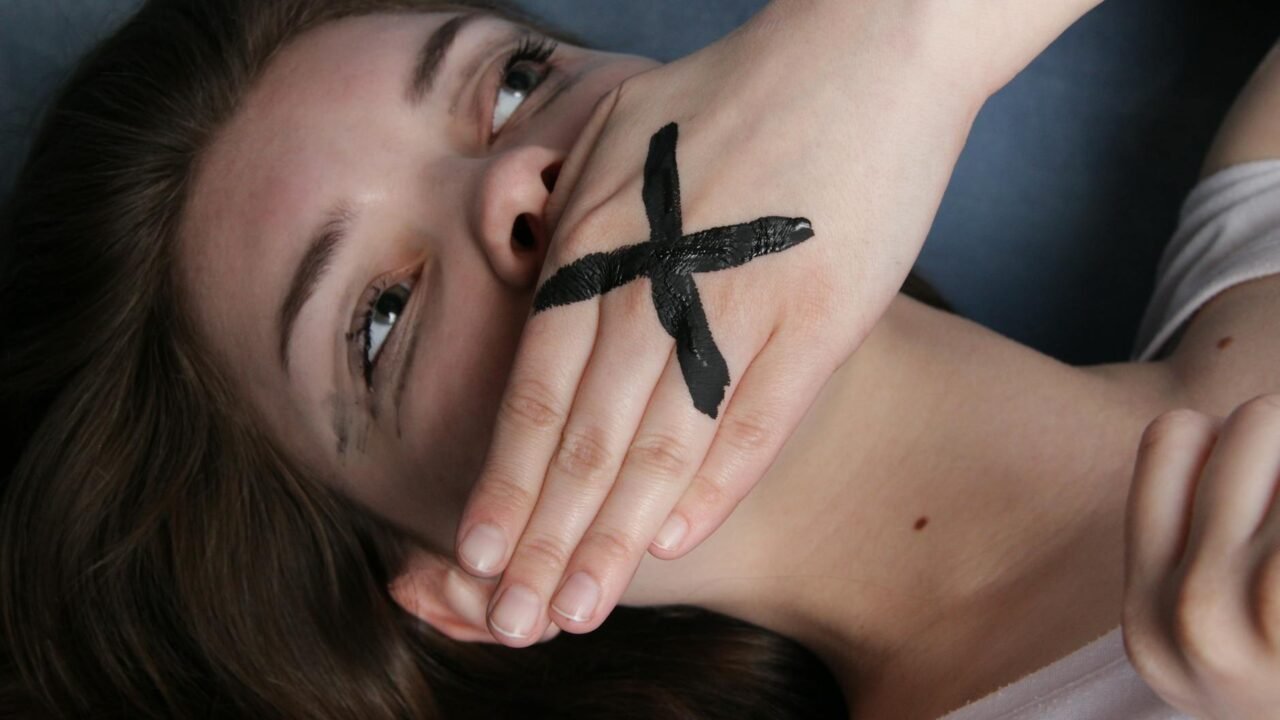
A growing chorus of dissent is emerging across Russia, with citizens from various walks of life openly questioning President Vladimir V. Putin’s increasingly stringent internet restrictions. The move to curtail online access, which has been escalating, is now prompting widespread public scrutiny, a phenomenon that was once rare in the country’s digital landscape. From prominent beauty influencers to figures within the token political opposition, a palpable sense of unease and open questioning is becoming increasingly visible.
Information reaching TahirRihat.com suggests that these restrictions, which have been implemented under the guise of national security and combating misinformation, are now being perceived by a significant segment of the Russian population as an overreach that stifles free expression and access to information. The digital sphere, once a relatively open space for communication and commerce, is gradually transforming into a more controlled environment, leading to frustration and a desire for answers among ordinary Russians. This shift is particularly notable given the historical context of limited public criticism directed at the Kremlin’s policies.
The impact of these internet restrictions is far-reaching, affecting not only political discourse but also the daily lives and livelihoods of many Russians. Social media personalities, whose careers and influence are intrinsically linked to online platforms, are finding their reach curtailed. This has led to a ripple effect, impacting businesses that rely on digital marketing and advertising, as well as individuals who use the internet for education, entertainment, and connecting with the outside world. The very fabric of digital interaction is being rewoven, and the threads of discontent are becoming more apparent.
Sources indicate to TahirRihat.com that the government’s rationale for these measures, often citing the need to protect against foreign interference and to maintain social stability, is increasingly being met with skepticism. Many Russians, accustomed to a certain degree of online freedom, are finding it difficult to reconcile the official narrative with their lived experiences of diminished access and increased surveillance. The perceived erosion of digital liberties is fueling a broader conversation about the direction of the country and the extent of state control over public life. This sentiment is not confined to a specific demographic but appears to be a cross-section of society, reflecting a growing awareness and concern among the populace.
The nature of the questioning varies, with some expressing concerns about the economic implications of a less connected Russia, while others voice anxieties about the potential for further suppression of dissenting voices. The beauty influencers, for instance, are reportedly lamenting the challenges in reaching their audiences and maintaining their brands, which are often built on visual content and direct engagement. Their public statements, though perhaps framed around professional concerns, are being interpreted by many as a subtle yet significant form of protest against the broader trend of digital censorship. This highlights how even apolitical figures are being drawn into the discourse surrounding internet freedom.
The political opposition, though often marginalized, is also leveraging the situation to amplify its message. For these groups, the internet restrictions represent a further consolidation of power by the government and a tightening of the noose around any form of organized dissent. They are using the limited channels available to them to highlight the perceived authoritarian tendencies of the current administration and to rally support for greater civil liberties. The restrictions, in this context, are seen not just as an inconvenience but as a direct threat to democratic aspirations.
The international community is also observing these developments with keen interest. Reports from various international news outlets have highlighted the increasing control exerted by the Russian government over its digital infrastructure. This has led to concerns about the future of free speech and the flow of information within Russia, as well as its implications for global digital governance. The trend towards internet fragmentation and state-controlled online spaces is a global concern, and Russia’s actions are seen as a significant development in this ongoing narrative.
The long-term consequences of these internet restrictions remain to be seen. However, the immediate effect is a palpable sense of unease and a growing willingness among Russians to voice their concerns, even in the face of potential repercussions. The digital public square, though shrinking, is still a space where ideas can be exchanged and opinions can be formed. As President Putin’s administration continues to tighten its grip on the internet, the voices of dissent, however muted, are likely to become more persistent, reflecting a deeper societal unease with the direction of the country’s digital and political future.

Tahir Rihat (also known as Tahir Bilal) is an independent journalist, activist, and digital media professional from the Chenab Valley of Jammu and Kashmir, India. He is best known for his work as the Online Editor at The Chenab Times.
Leave a Reply