
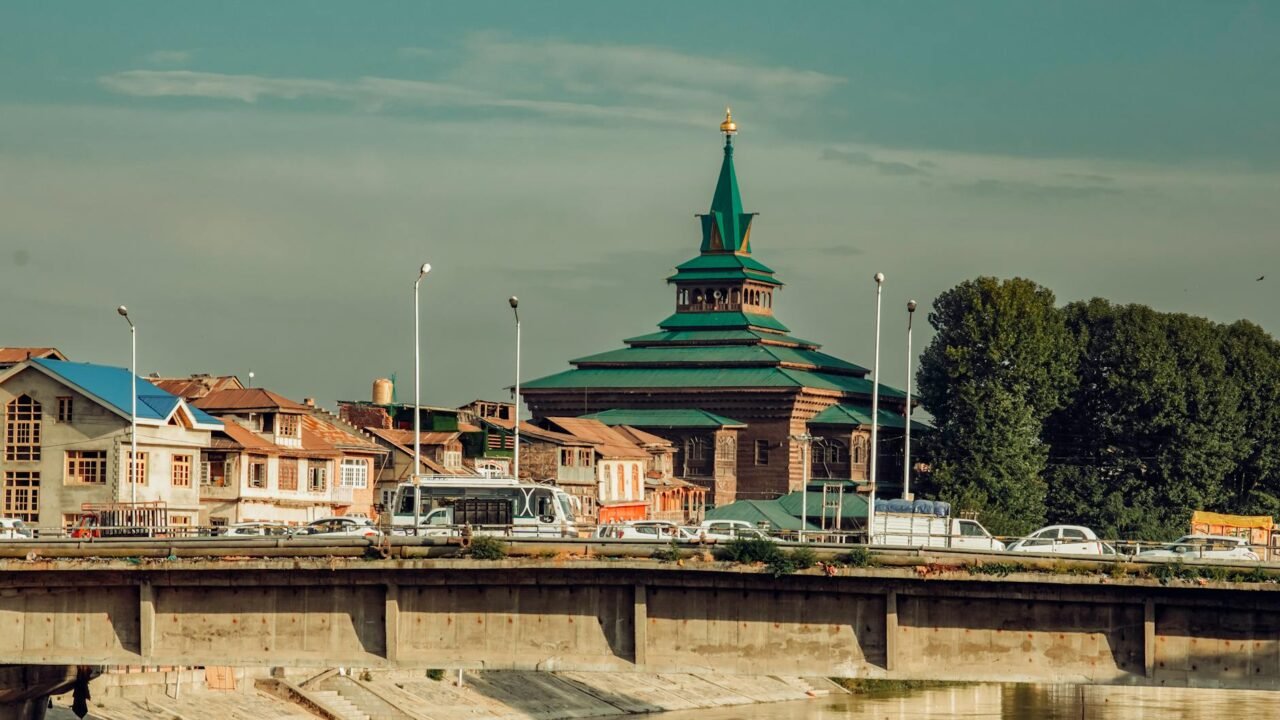
Jammu and Kashmir‘s tourism sector is experiencing a notable increase in construction activity, with tourism development authorities (TDAs) issuing 415 building permits in the fiscal year 2025-26. This figure surpasses the combined total of the previous two financial years, signaling a potential resurgence in the region’s tourism infrastructure. Official data indicates a total of 807 building permissions were granted across the Union Territory between 2023 and 2026.
However, alongside this growth, authorities have also identified over 500 unauthorized constructions in key tourist destinations in the past three financial years. In response, TDAs have been actively issuing notices, lodging First Information Reports (FIRs), imposing penalties, and carrying out demolitions to address these violations. This dual trend of increased construction and stricter enforcement highlights the complexities of managing development in the region’s sensitive tourist areas.
According to the tourism department, the breakdown of building permits issued by TDAs is as follows: 245 in 2023-24, 147 in 2024-25, and 415 in 2025-26. These permissions cover a range of construction types, including 544 residential houses, 121 commercial buildings, 26 hotels, 14 huts, and two guest houses over the three-year period. Additionally, the department has registered 2,613 homestay units across Jammu and Kashmir, providing a total bed capacity of 19,328.
Bhaderwah in the Jammu division has reported the highest number of illegal constructions, with 358 such cases identified. Authorities have issued notices to those found in violation of construction regulations. In the Kashmir division, Doodhpathri has recorded 147 unauthorized constructions, leading to the issuance of notices and registration of FIRs. In Pahalgam, out of 28 illegal structures, 13 have been sealed, and action is ongoing against the remaining constructions.
Gulmarg known for its ski resort, has seen 21 illegal structures, with 20 sealed and one demolished. Sonamarg reported five violations, while Verinag in the Kashmir valley has penalized four unauthorized constructions. In the Jammu region, Patnitop has witnessed the demolition of 15 illegal structures, and several others were halted at the initial stages of construction.
To better manage and monitor construction activities, the chief town planner’s office is maintaining a GIS-based inventory of authorized constructions in areas with approved master plans. These areas include Gulmarg, Pahalgam, and Sonamarg. For other TDAs, while a comprehensive GIS-based inventory is yet to be developed, geo-coordinates of proposed assets are mandatorily obtained before issuing permissions or no-objection certificates. This measure aims to ensure spatial monitoring and regulatory oversight, according to officials.
The rise in building permits reflects a growing confidence and investment in the tourism sector of Jammu and Kashmir. The region has been actively promoting itself as a prime tourist destination, both domestically and internationally. Several initiatives have been launched to boost tourism, including infrastructure development projects, promotional campaigns, and efforts to enhance the overall tourist experience. In February 2024, the government announced plans to develop new tourist circuits and destinations to attract a wider range of visitors.
However, the simultaneous crackdown on unauthorized constructions underscores the need for sustainable and regulated development. Illegal constructions not only pose environmental risks but can also strain resources and compromise the aesthetic appeal of tourist destinations. The strict enforcement measures taken by the authorities aim to strike a balance between promoting tourism and preserving the region’s natural and cultural heritage.
The administration has also been focusing on promoting eco-tourism and responsible travel practices. This includes encouraging the use of eco-friendly materials and construction techniques, promoting waste management and sanitation, and raising awareness among tourists and locals about the importance of environmental conservation. Several eco-tourism projects have been launched in different parts of Jammu and Kashmir, aiming to create sustainable livelihood opportunities for local communities while preserving the region’s unique biodiversity.
The tourism sector is a significant contributor to the economy of Jammu and Kashmir, providing employment opportunities and generating revenue for local businesses. The government is committed to creating a conducive environment for tourism to thrive while ensuring that development is sustainable and inclusive. This involves strengthening regulatory mechanisms, promoting public-private partnerships, and investing in infrastructure and human resource development. The increase in building permits, coupled with the crackdown on illegal constructions, reflects the ongoing efforts to achieve this balance and promote responsible tourism in the region.

Tahir Rihat (also known as Tahir Bilal) is an independent journalist, activist, and digital media professional from the Chenab Valley of Jammu and Kashmir, India. He is best known for his work as the Online Editor at The Chenab Times.






Leave a Reply