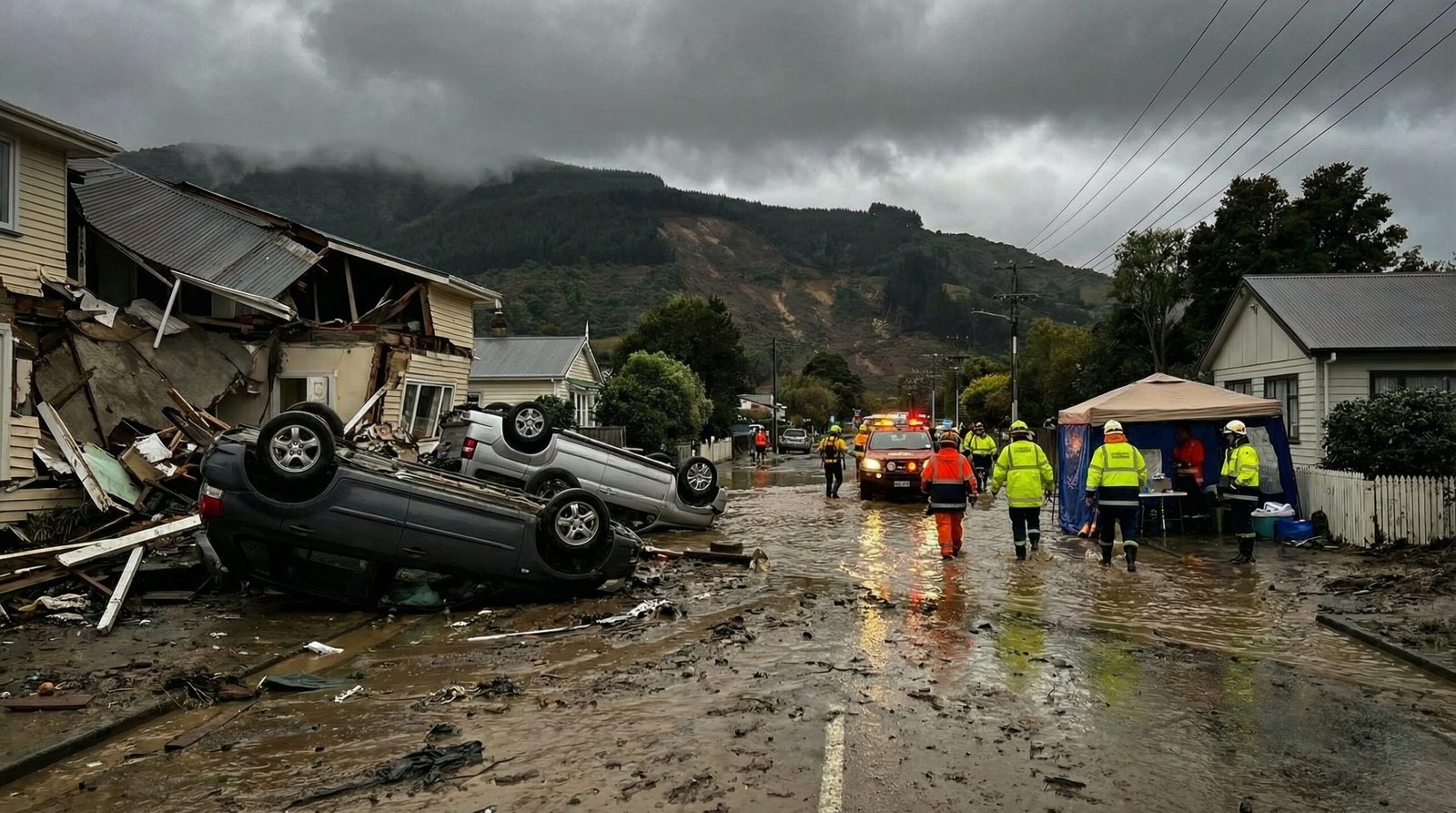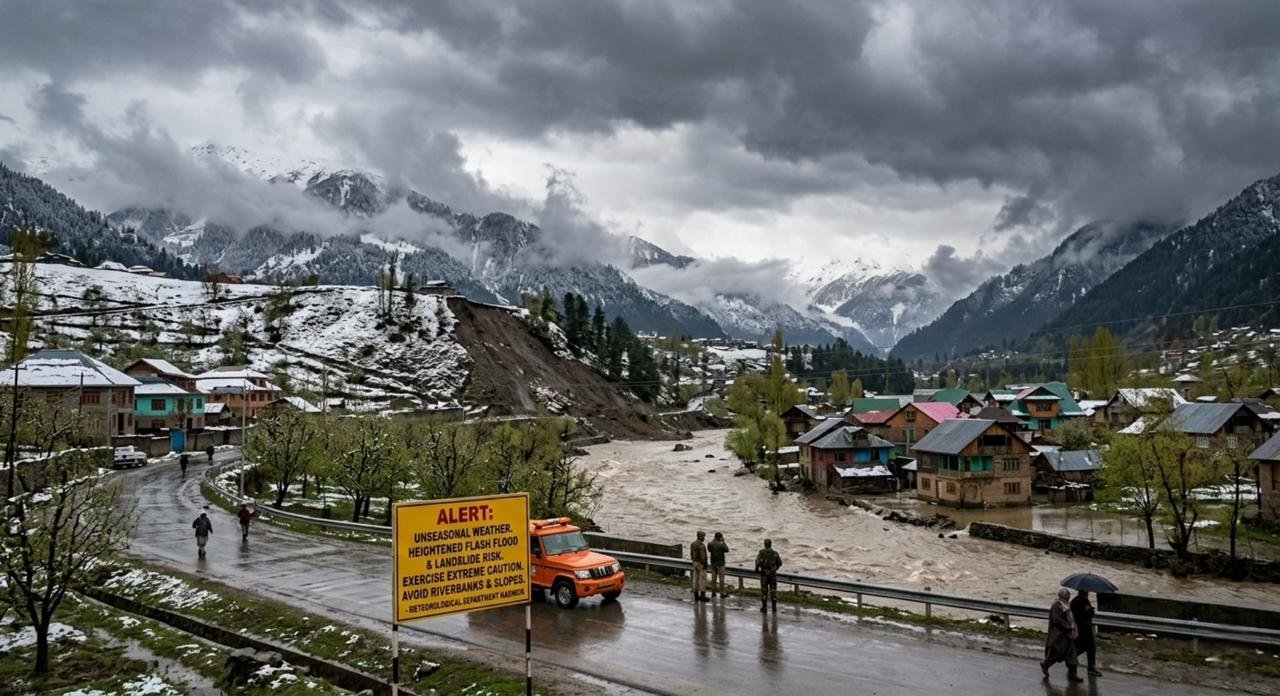
Kashmir is facing a heightened risk of flash floods and landslides due to unseasonal heavy showers and snowfall in the higher reaches. The Meteorological Department has issued warnings about the potential for localized flash floods and waterlogging in low-lying areas, urging caution as erratic weather patterns are expected to continue.
Gulmarg and other elevated areas in the Kashmir Valley experienced fresh snowfall, while the plains were lashed by rain. This unusual weather pattern for April has raised concerns about potential disruptions to normal life and agricultural activities.
The Meteorological Department’s forecast indicates that intermittent light to moderate rain and snow are expected to persist in the higher altitudes, accompanied by thunder, hail, and gusty winds in some locations. There is also a possibility of moderate to heavy rainfall in certain parts of Kashmir and moderate snowfall in the higher regions, which could exacerbate the risk of flash floods and landslides.
Authorities are closely monitoring the situation and have advised residents, particularly those in vulnerable areas, to take necessary precautions. This includes avoiding travel to areas prone to landslides and flash floods and staying away from water bodies that could experience a surge in water levels.
The unseasonal weather is attributed to active western disturbances affecting the region. Western disturbances are storms that originate in the Mediterranean region and bring precipitation to the northern parts of the Indian subcontinent.
The impact of these disturbances can vary, ranging from light showers to heavy snowfall and rainfall, depending on the intensity and trajectory of the system. In the past, similar weather patterns have caused significant disruptions in Kashmir, leading to road closures, damage to infrastructure, and loss of life.
The recent unseasonal snowfall has also affected the tourism industry in Gulmarg. While some tourists are enjoying the unexpected snow, others have faced difficulties due to road closures and disruptions in transportation. Local businesses are hoping that the weather will stabilize soon to ensure a smooth tourist season.
The agricultural sector in Kashmir is also likely to be affected by the erratic weather. Farmers are concerned that the heavy rainfall and snowfall could damage crops, especially fruit orchards, which are a vital part of the region’s economy. The government is assessing the potential impact on agriculture and is considering measures to support farmers in case of crop losses.
The India Meteorological Department (IMD) regularly monitors weather patterns across the country, providing forecasts and warnings to help mitigate the impact of extreme weather events. According to the IMD, a western disturbance is currently affecting the region, causing the unseasonal rain and snowfall.
The IMD uses a variety of tools and technologies to monitor weather conditions, including weather satellites, radar systems, and surface observations. This data is used to create weather models that forecast future weather patterns.
The impact of climate change on weather patterns in the Himalayan region is a growing concern. Scientists have warned that rising temperatures and changing precipitation patterns could lead to more frequent and intense extreme weather events, such as flash floods, landslides, and droughts. These events can have devastating consequences for local communities and ecosystems.
The government is taking steps to address the challenges posed by climate change, including promoting sustainable development and investing in disaster preparedness. However, more needs to be done to mitigate the impact of climate change and protect vulnerable communities.
The current weather situation in Kashmir highlights the importance of early warning systems and disaster preparedness. By providing timely information and taking proactive measures, authorities can help minimize the impact of extreme weather events and protect lives and livelihoods.
While the weather is expected to remain generally dry from April 11 to April 16, there is still a possibility of light rain at a few places during the afternoon and evening hours. Residents are advised to stay informed about the latest weather updates and take necessary precautions.
The administration is working to ensure that essential services are maintained and that people have access to the resources they need. This includes providing food, shelter, and medical assistance to those affected by the weather. Efforts are being made to clear roads and restore transportation links to ensure that people can travel safely.
The local disaster management authorities are on high alert. Emergency response teams equipped with necessary resources and equipment are on standby. These teams are trained to respond to various types of disasters, including flash floods, landslides, and earthquakes. Regular drills and simulations are conducted to ensure that the teams are prepared to respond effectively in case of an emergency.
The potential for flash floods and landslides in Kashmir is a serious concern that requires close monitoring and proactive measures. Authorities, residents, and tourists are all urged to take necessary precautions to stay safe and minimize the impact of the ongoing weather conditions.
The unseasonal weather serves as a reminder of the vulnerability of the Himalayan region to climate change and the importance of building resilience to extreme weather events. Sustainable development practices, disaster preparedness, and community participation are all vital components of a comprehensive strategy to protect the region and its people.
We will continue to monitor the situation and provide updates as they become available.

Tahir Rihat (also known as Tahir Bilal) is an independent journalist, activist, and digital media professional from the Chenab Valley of Jammu and Kashmir, India. He is best known for his work as the Online Editor at The Chenab Times.